
Knee Sprain Injury Treatment and Rehabilitation
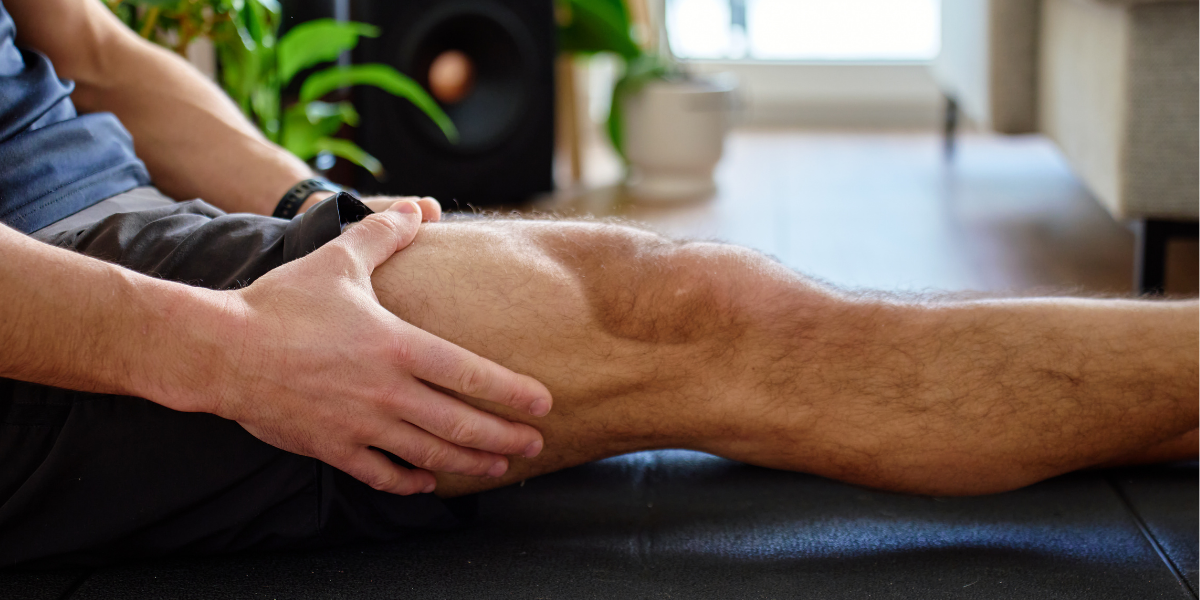
A knee sprain is a common cause of knee pain in Singapore, often occurring during sports, sudden directional changes, awkward landings, or missteps on stairs or uneven ground. A sprain happens when the ligaments that support the knee are stretched or partially torn. Depending on the force and direction of the movement, a knee sprain may affect the MCL, LCL, ACL, or surrounding soft tissues.
Knee sprains may cause pain, swelling, stiffness, or a feeling of instability. Without proper assessment and rehabilitation, they can lead to long-term weakness, reduced joint stability, or recurring injuries.
If you sprain your knee, stop activity immediately, apply ice for 10–15 minutes, and avoid putting weight on the leg if it is painful. Seek medical attention if swelling develops, the knee feels unstable, or you're unsure whether it’s a minor strain or a ligament/meniscus injury. Early diagnosis and proper rehabilitation can prevent chronic knee problems.
If you’re unsure how serious your knee injury is or want to recover safely and fully, our GP and physiotherapy team can assess your knee, determine whether imaging is needed, and guide you through a structured rehabilitation plan.
Disclaimer:
The following page is not meant as a replacement for a physical consult and examination with our Doctors and is meant as educational information and general guiding principles for patients. Each patient should be managed according to their unique condition, and this page is also not meant as a guarantee for the flow of services that patients will receive at Regis Medical. For example, a patient who presents with signs of a possible fracture, complete ligament tear, or significant knee instability would require further assessment at separate locations first, before undergoing physiotherapy safely.
What to Do Immediately After a Knee Sprain Injury
1. Protect the Knee
- Stop running, jumping, or pivoting
- Avoid weight-bearing if painful
- Use a knee brace or support if needed
2. Reduce Swelling & Pain
- Ice the knee for 10–15 minutes, 2–3 times daily
- Elevate the leg when resting
- Avoid heat or deep massage early on
3. Gentle, Pain-Free Movement
- Light bending and straightening if comfortable
- Avoid squatting, kneeling, or twisting
- Keep movements slow and controlled
What Is a Knee Sprain Injury?
A knee sprain occurs when one or more knee ligaments are overstretched or torn due to sudden force, twisting, or impact. The severity ranges from mild overstretching to partial tears.
Ligaments that can be affected:
- MCL (Medial Collateral Ligament)
- LCL (Lateral Collateral Ligament)
- ACL (Anterior Cruciate Ligament)
- PCL (Posterior Cruciate Ligament) (less common)
Associated structures that may also be irritated:
- Meniscus
- Surrounding muscles and tendons
- Joint capsule
Common causes in Singapore:
- Football, basketball, netball, futsal
- Running on uneven terrain
- Missteps on stairs or wet floors
- Hiking or brisk walking
- Gym accidents during squats or lunges
Common Symptoms
- Pain when moving or twisting the knee
- Swelling within hours or the next day
- Stiffness or difficulty straightening the knee
- A feeling of instability or “giving way”
- Clicking or catching sensations
- Discomfort when walking or going downstairs
Red Flags! Seek Medical Care Immediately
- Significant swelling
- Inability to bear weight
- Sharp pain on specific movement
- Knee locking or catching
- Visible deformity
- Pain along the joint line (possible meniscus injury)
Self-Check: How Bad Is My Knee Sprain?
Mild Sprain (Grade I)
- Localised discomfort
- Minimal swelling
- Able to walk with mild discomfort
- Likely mild ligament strain
Moderate Sprain (Grade II)
- Noticeable swelling
- Pain with twisting, squatting, or turning
- Difficulty bending or straightening
- Possible partial tear
- Requires physiotherapy
Severe Sprain (Grade III)
- Significant swelling and pain
- Difficulty bearing weight
- Knee feels unstable
- Possible ligament tear
- Needs GP evaluation and imaging
When to See a Doctor in Singapore
While many knee sprains improve with early care, some injuries may be more serious than they seem. Complete ligament tears (ACL, PCL, MCL, LCL), meniscus tears, patellar dislocations, or occult fractures can initially present with symptoms similar to a routine sprain.
If swelling is severe, the knee feels unstable, weight-bearing is difficult, or symptoms worsen, please consult a doctor promptly or visit an Emergency or Urgent Care Department for evaluation. This information is for education and is not a substitute for a professional diagnosis.
Visit a Doctor promptly if:
- Swelling appears within 24 hours
- You cannot fully straighten or bend the knee
- The knee feels unstable or “gives way”
- Pain persists beyond 2–3 days
- You suspect a ligament or meniscus injury
- Pain is sharp along the joint line
In the above instances, it would be highly recommended by doctors to rule out more serious injuries through appropriate imaging, such as an X-ray or MRI, and for the patient to be assessed by an Emergency Physician or Orthopaedic Surgery Specialist before commencing physiotherapy. Early identification of ligament or meniscus injuries is essential to ensure safe and effective treatment.
GP Diagnosis & Treatment
Our GP will assess your knee to determine which ligaments are affected and whether imaging is needed.
An X-ray or MRI May Be Needed If:
- There is significant swelling
- A ligament or meniscus tear is suspected
- The injury occurred during sports
- Instability or locking occurs
- Pain persists despite early care
Our GP Can Provide:
- Diagnosis and injury severity grading
- Anti-inflammatory or pain medication (if appropriate)
- Advice on bracing and activity modification (we do not sell or provide braces/tapes at Regis Medical)
- Medical certificate (MC) for rest
- Referral for imaging when needed
- Same-day referral to in-house physiotherapy (If available and deemed suitable)
Physiotherapy for Knee Sprain Recovery
Our in-house physiotherapy focus on restoring knee stability, strength, and movement after a sprain.
1. Pain & Swelling Management
- Manual therapy
- Soft tissue release
- Gentle joint mobilisation
- Electrotherapy or ultrasound if indicated
2. Movement Restoration
- Range-of-motion exercises
- Patellar mobility work
- Quadriceps and hamstring activation
3. Strengthening & Stability
- Thigh and hip strengthening
- Gluteal activation
- Balance and proprioception training
- Functional lower-limb control
4. Return-to-Sport / Activity Programme
- Progressive loading
- Running, agility, and pivoting drills
- Landing and change-of-direction training
- Taping or bracing if needed (we do not sell or provide braces/tapes at Regis Medical)
Acupuncture as a Complementary Treatment Option
Some patients benefit from acupuncture to reduce knee pain, muscle tension, and swelling during recovery. Acupuncture may help with pain relief in the intermediate stages of healing, and assist with ensuring productive physiotherapy sessions.
Our clinic offers in-house acupuncture, integrated with GP assessment and physiotherapy for safe and effective care. However, not every patient might be suitable for Acupuncture, and will have to be assessed for suitability by our Doctors first, before proceeding.
Can You Exercise With a Knee Sprain Injury?
Yes, with proper modifications.
Our physiotherapists can guide you through:
- Safe non-impact exercises
- Movements to avoid temporarily
- When to resume running or sports
- How to strengthen safely
Preventing Future Knee Sprains
- Strengthen quadriceps, hamstrings, and glutes
- Improve balance and proprioception
- Use proper footwear
- Warm up thoroughly before sports
- Avoid sudden increases in training intensity
- Practise proper landing mechanics
How our integrative care helps
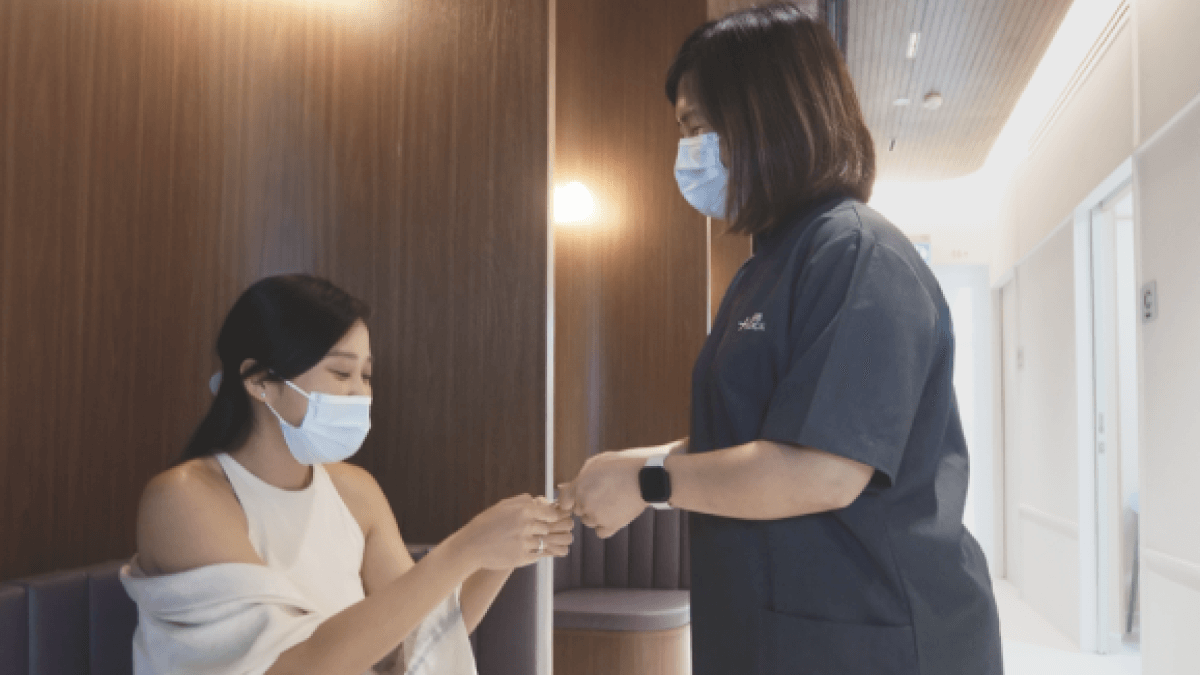
Consult Our Doctors
A knee sprain can affect daily movement, sports performance, and long-term knee stability. Early assessment and proper treatment are essential to prevent chronic issues.
Contact us to arrange a consultation with our doctor.
We’ll help you recover well and return to the activities you enjoy.

Finding Us
Holland Village
255 Holland Ave, Singapore 278983
Near MRT Exit B


Mon, Tues, Thurs, Fri:
8.30am - 2.30pm
5.30pm - 10.00pm
Wed:
8.30am - 2.30pm
Sat:
9.00am - 3.00pm
Closed on Sundays and Public Holidays. For the latest updates on our clinic’s opening hours, please check our Google Maps.
** GP registration ends 15 mins before the closing time above, while Physiotherapy & Acupuncture end registration 45 mins before. Please book an appointment in advance to avoid queues and disappointment.
Katong
437 Joo Chiat Road, Singapore 427650
Near Marine Parade MRT
Mon, Tues, Thurs, Fri:
8.30am - 2.30pm
5.30pm - 10.00pm
Wed:
8.30am - 2.30pm
Sat:
9.00am - 3.00pm
Closed on Sundays and Public Holidays. For the latest updates on our clinic’s opening hours, please check our Google Maps.
** GP registration ends 15 mins before the closing time above, while Physiotherapy & Acupuncture end registration 45 mins before. Please book an appointment in advance to avoid queues and disappointment.
