
Hamstring Strain Treatment and Rehabilitation
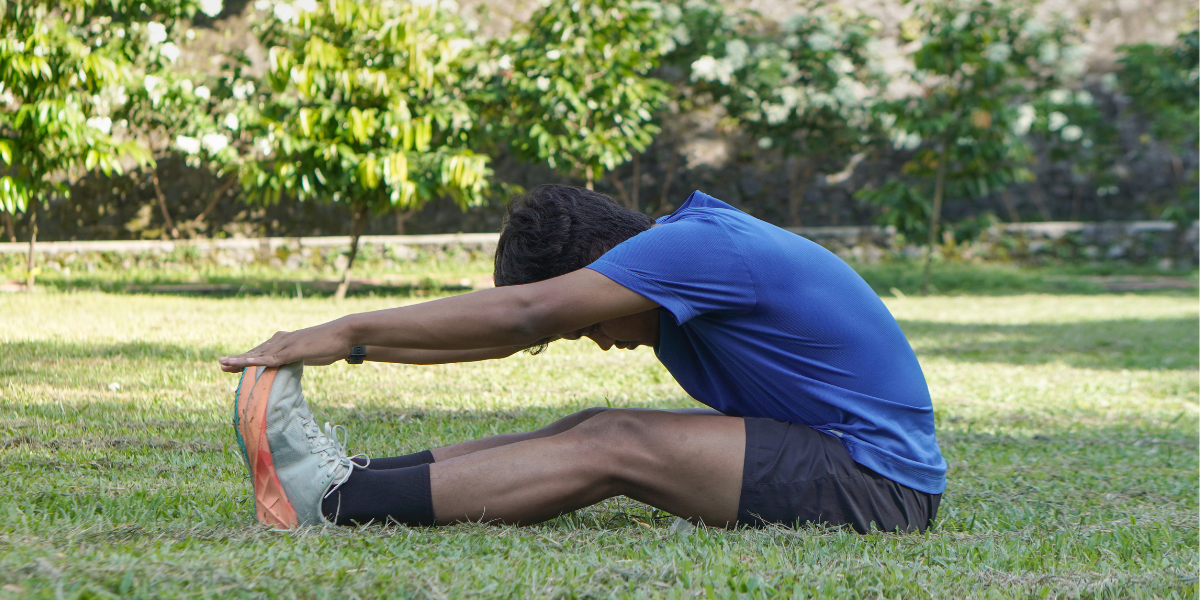
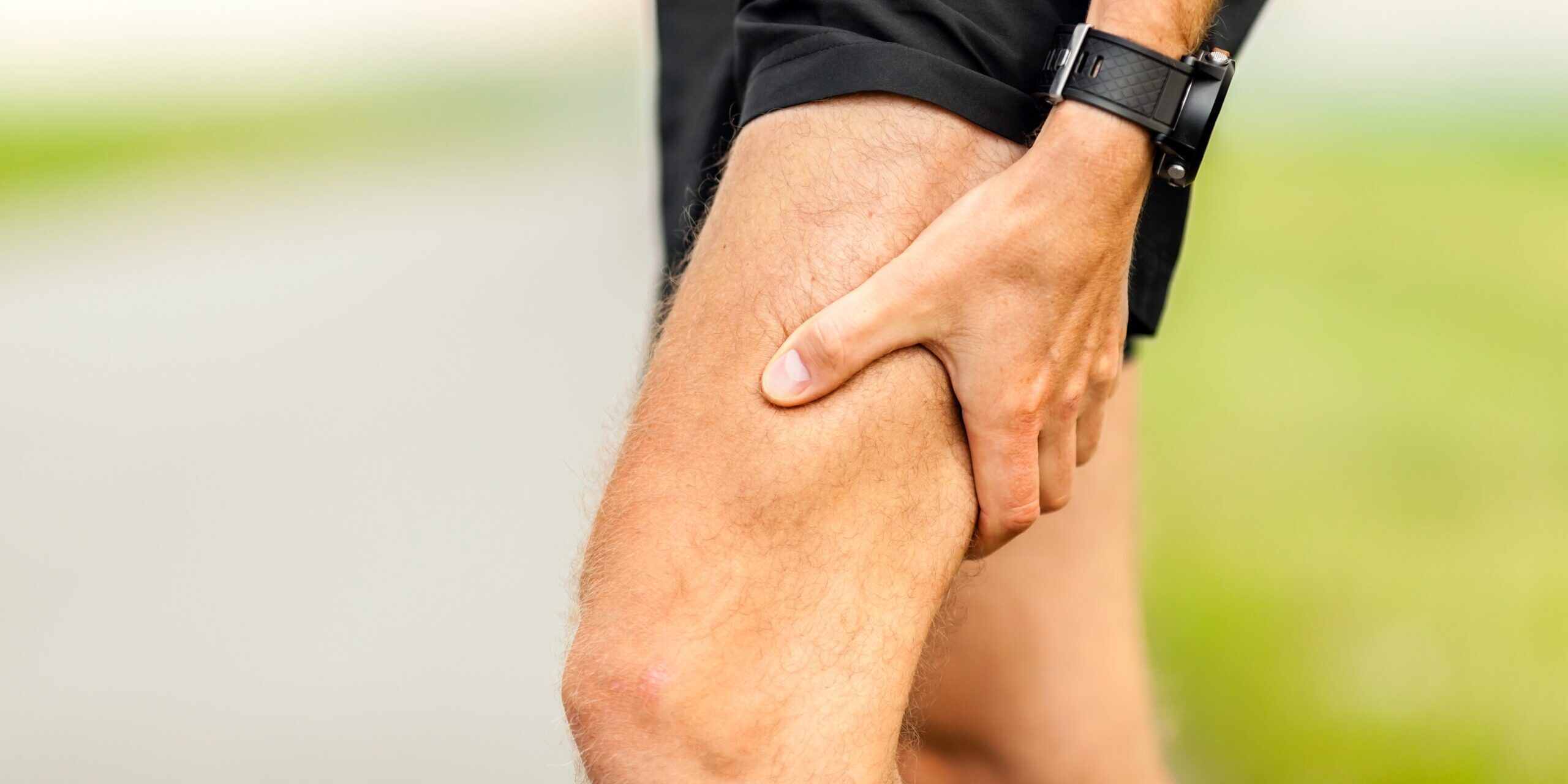
A hamstring strain (or a pull) is a common injury seen in Singapore, especially among runners, footballers, gym-goers, weekend athletes, and individuals who sprint or perform sudden bursts of movement. A strained hamstring may feel like a sharp pull, tightness, or sudden pain at the back of the thigh. Without proper early care, it can lead to prolonged tightness, repeated strains, or chronic weakness.
If you strain your hamstring, stop the activity immediately, ice the area for 15–20 minutes, and avoid stretching or massaging aggressively. Seek medical attention if walking is painful, swelling appears, or you’re unsure whether it’s a minor strain or a partial muscle tear. Early diagnosis and guided rehabilitation are key to preventing re-injury.
If you’re unsure how serious your hamstring injury is, or want to recover fully and safely, our Doctor and physiotherapy team can assess your condition, determine whether imaging is needed, and guide you through a structured rehabilitation plan.
Disclaimer:
The following page is not meant as a replacement for a physical consult and examination with our Doctors and is meant as educational information and general guiding principles for patients. Each patient should be managed according to their unique condition, and this page is also not meant as a guarantee for the flow of services that patients will receive at Regis Medical. For example, a patient that presents with signs of a severe muscle tear or suspected hamstring avulsion injury would require further assessment at separate locations first, before undergoing physiotherapy safely.
What to Do Immediately After a Hamstring Strain
1. Protect the Muscle
- Stop running, sprinting, or lifting
- Avoid stretching the hamstring early on
- Use heat packs only after the acute phase
2. Reduce Swelling & Pain
- Ice for 15–20 minutes, 2–3 times daily
- Avoid deep massage during the first 48 hours
- Elevate the leg when possible
3. Gentle, Pain-Free Movement
- Light walking if tolerated
- Avoid forcing the leg into painful ranges
- Keep the hip and knee moving gently
What Is a Hamstring Strain?
A hamstring strain or pull occurs when the muscle fibres at the back of the thigh are overstretched or torn.
It commonly happens during sudden acceleration, sprinting, jumping, or bending forward.
Common causes in Singapore:
- Sprinting in sports (football, rugby, athletics)
- Sudden acceleration during running
- Heavy deadlifts or gym training errors
- Tight or weak hamstrings
- Muscle fatigue
- Poor warm-up before high-intensity activities
Common Symptoms
- Sharp pain at the back of the thigh
- Tightness or stiffness
- Difficulty bending the knee
- Pain when walking or climbing stairs
- Bruising or swelling (in moderate or severe cases)
- Weakness when lifting the leg
Red Flags! Seek Medical Care Immediately
- Sudden “pop” during activity
- Significant bruising within 24–48 hours
- Difficulty walking normally
- Sharp pain when sitting or bending
- Pain extending into the buttock (possible tendon involvement)
Self-Check: How Bad Is My Hamstring Strain?
Grade 1 (Mild)
- Mild tightness and discomfort
- Little to no swelling
- Able to walk with mild discomfort
- Usually recovers well with early physiotherapy
Grade 2 (Moderate)
- Noticeable pain and swelling
- Pain with walking or bending
- Difficulty straightening the knee
- Partial muscle tear
- Requires structured rehabilitation
Grade 3 (Severe)
- Severe pain and weakness
- Extensive bruising
- Difficulty or inability to walk
- Possible full tear
- Requires GP evaluation and imaging
When to See a Doctor in Singapore
While many hamstring strains improve with early care, some injuries may be significantly more serious than they appear. Complete hamstring tears, tendon avulsions (where the tendon pulls away from the bone), or large intramuscular haematomas can present with symptoms similar to a “simple strain.”
If you are unsure about the severity, or if symptoms worsen, please consult a doctor promptly or visit an Emergency or Urgent Care Department for evaluation. This information is for education and is not a substitute for a professional diagnosis.
Visit a Doctor promptly if:
- Walking is painful
- Swelling or bruising develops
- Pain worsens after 24–48 hours
- You suspect a tendon tear
- Pain persists beyond 2–3 days
- The injury occurred during sprinting with a sudden “pop”
In the above instances, it would be highly recommended by doctors to rule out a severe hamstring injury via an appropriate scan, such as an ultrasound or MRI, and be assessed by an Emergency Physician or Orthopaedic Surgery Specialist before going for any physiotherapy sessions.
GP Diagnosis & Treatment
Our GP performs a thorough assessment to determine the severity of your hamstring strain and whether imaging is needed.
An Ultrasound or MRI May Be Needed If:
- There is significant bruising
- You cannot walk without pain
- A tear is suspected
- Pain persists despite early care
Our GP Can Provide:
- Diagnosis and initial assessment
- Pain / anti-inflammatory medication (if appropriate)
- Advice on activity modification
- Safe return-to-activity guidelines
- Medical certificate (MC) for rest
- Same-day referral to in-house physiotherapy (If available and deemed suitable)
Physiotherapy for Hamstring Strain Recovery
Our in-house physiotherapy focus on restoring strength, flexibility, and safe return to sport while reducing the risk of repeated strains.
1. Pain & Swelling Management
- Manual therapy
- Soft tissue release (after acute phase)
- Gentle mobility work
- Modalities if needed
2. Flexibility & Mobility Restoration
- Gradual hamstring stretching (at the right stage)
- Hip mobility exercises
- Controlled range-of-motion progression
3. Strength & Power Training
- Isometric strengthening early on
- Progressive loading of hamstring muscles
- Gluteal and hip strengthening
- Eccentric training to prevent recurrence
4. Return-to-Sport Programme
- Running progression
- Acceleration and deceleration drills
- Sport-specific strengthening
- Reconditioning to prevent re-injury
Acupuncture as a Complementary Treatment Option
Some patients benefit from acupuncture to reduce pain and muscle tightness during hamstring strain recovery. Acupuncture may help with pain relief in the intermediate stages of healing and assist with ensuring productive physiotherapy sessions.
Our clinic provides in-house acupuncture, integrated with your GP assessment and physiotherapy plan for safe and effective healing. However, not every patient might be suitable for Acupuncture, and will have to be assessed for suitability by our Doctors first, before proceeding.
Can I Exercise With a Hamstring Strain?
Yes, but with appropriate modifications.
Our physiotherapists can advise on:
- Safe cross-training options (cycling, swimming)
- Movements to avoid temporarily
- When to begin stretching safely
- When to resume running or gym work
- How to prevent future strains
Preventing Future Hamstring Strains
- Strengthen hamstrings and glutes
- Improve hip mobility and flexibility
- Warm up properly before sports
- Avoid sudden increases in training intensity
- Maintain balanced lower limb strength
How our integrative care helps
Consult Our Doctors
A hamstring strain can limit running, training, and daily activities. Early diagnosis and proper rehabilitation are the key to preventing repeated strains and long-term weakness. If you’re unsure about the severity of your injury or want structured guidance toward full recovery, we’re here to help.

Finding Us
Holland Village
255 Holland Ave, Singapore 278983
Near MRT Exit B


Mon, Tues, Thurs, Fri:
8.30am - 2.30pm
5.30pm - 10.00pm
Wed:
8.30am - 2.30pm
Sat:
9.00am - 3.00pm
Closed on Sundays and Public Holidays. For the latest updates on our clinic’s opening hours, please check our Google Maps.
** GP registration ends 15 mins before the closing time above, while Physiotherapy & Acupuncture end registration 45 mins before. Please book an appointment in advance to avoid queues and disappointment.
Katong
437 Joo Chiat Road, Singapore 427650
Near Marine Parade MRT
Mon, Tues, Thurs, Fri:
8.30am - 2.30pm
5.30pm - 10.00pm
Wed:
8.30am - 2.30pm
Sat:
9.00am - 3.00pm
Closed on Sundays and Public Holidays. For the latest updates on our clinic’s opening hours, please check our Google Maps.
** GP registration ends 15 mins before the closing time above, while Physiotherapy & Acupuncture end registration 45 mins before. Please book an appointment in advance to avoid queues and disappointment.
