Dysbiosis Symptoms Explained and When to Get Tested
Last updated: 18 Aug 2026

You've been experiencing multiple symptoms that seem unrelated. Bloating. Fatigue. Occasional brain fog. Skin that won't clear. Your doctors have treated these separately or told you they're stress-related. What if they're not separate problems at all? What if they're all signals from the same underlying dysbiosis in your gut bacteria?
This is exactly how dysbiosis presents for many people. Not as one obvious problem, but as a collection of symptoms across different body systems that nobody connects to a single cause. Understanding this pattern is the first step to identifying dysbiosis as the potential root cause.
Test and Find out if you Have Dysbiosis
Patient-first, Holistic, Dedicated Healthcare
Why Dysbiosis Presents Differently in Different People
Before we look at specific symptoms, it helps to understand why dysbiosis looks so different from person to person.
Dysbiosis isn't one specific condition. It's an imbalance in your gut bacteria composition. Depending on which bacteria are depleted and which are overgrown in your particular microbiome, you'll experience different symptoms.
If your dysbiosis primarily involves depletion of bacteria that produce short-chain fatty acids, you'll experience intestinal inflammation and bloating. If it involves depletion of bacteria that synthesise B vitamins, you'll experience fatigue and brain fog. If dysbiosis compromises your intestinal barrier, allowing systemic inflammation, you'll experience skin flares.
The same dysbiosis mechanism causes different symptoms depending on your specific bacterial imbalance. This is why one person's dysbiosis presents as digestive discomfort while another's presents primarily as fatigue or skin issues.
Understanding this variation helps you recognise that multiple seemingly unrelated symptoms might point to dysbiosis as the common root cause rather than assuming they're separate problems.
The 10 Most Common Dysbiosis Symptoms
1. Persistent Bloating and Excessive Gas
Bloating is one of the most common dysbiosis symptoms. The dysbiotic bacteria ferment food inefficiently, producing excess gas that accumulates in your digestive tract. This creates that uncomfortable, distended feeling that might persist throughout the day.
The bloating often comes with burping and flatulence as your body tries to expel the excess gas.
When to suspect dysbiosis: if you're bloating even with a normal diet, if the bloating is constant rather than occasional, or if it's accompanied by other symptoms on this list.
For more detail on this symptom specifically, read our guide on constant burping and bloating.
2. Irregular Bowel Habits (Constipation, Diarrhoea, or Alternating)
Dysbiosis disrupts the normal peristalsis (muscle contractions that move stool through your colon). You might experience constipation, diarrhoea, or unpredictable alternation between the two.
Research has shown that dysbiosis affects the production of short-chain fatty acids that regulate bowel motility. Without adequate levels of these compounds, your bowel function becomes irregular.
When to suspect dysbiosis: if your bowel habits have changed noticeably from your baseline, if they're irregular despite dietary consistency, or if they've persisted for weeks.
3. Persistent Fatigue and Low Energy
Fatigue from dysbiosis comes from multiple mechanisms. Dysbiosis impairs nutrient absorption, particularly B vitamins and iron, which are essential for energy production. Additionally, dysbiosis causes chronic low-grade systemic inflammation that drains energy. And dysbiosis affects how efficiently your mitochondria produce ATP, the cellular energy currency.
Many people with dysbiosis-related fatigue describe it as persistent tiredness that doesn't improve with more sleep. It's a functional fatigue, not just tiredness.
When to suspect dysbiosis: if you're persistently tired despite adequate sleep, if your energy crashes predictably (often mid-afternoon), or if the fatigue is accompanied by other symptoms on this list.
4. Brain Fog and Difficulty Concentrating
The gut-brain axis means dysbiosis directly affects cognitive function. Dysbiotic bacteria produce different metabolites than healthy bacteria, and these metabolites affect neurotransmitter production and brain inflammation.
People with dysbiosis-related brain fog often describe it as difficulty concentrating, feeling mentally sluggish, or struggling to find words. It's distinct from typical tiredness. You can be well-rested and still experience this mental cloudiness.
When to suspect dysbiosis: if brain fog is new for you, if it correlates with digestive symptoms, or if it's accompanied by other dysbiosis signs.
5. Acne, Eczema, or Other Skin Flares
Dysbiosis compromises your intestinal barrier, allowing systemic inflammation. This inflammatory state often manifests first on your skin as acne, eczema flares, rosacea, or other inflammatory skin conditions.
Importantly, skin flares from dysbiosis often don't respond well to topical treatments alone. The inflammation is coming from inside your gut, not from your skin being inherently problematic.
When to suspect dysbiosis: if your skin issues don't respond to skincare or dermatological treatments, if they flare alongside digestive symptoms, or if they improve when your digestion improves.
For more on this connection, read our guide on the link between gut health and acne or eczema.
6. Food Intolerances That Develop Over Time
Dysbiosis makes your intestinal barrier more permeable. Foods that you previously tolerated fine suddenly trigger bloating, discomfort, or other symptoms. It feels like you've developed new food allergies.
The reality is often that dysbiosis has compromised your barrier, making you intolerant of normal foods. Once dysbiosis is treated and the barrier heals, the apparent intolerances often disappear.
When to suspect dysbiosis: if your food intolerances developed relatively recently, if multiple foods suddenly trigger symptoms, or if your food allergy testing came back negative but you still react to foods.
7. Persistent Bad Breath
Dysbiosis causes fermentation in your gut that produces odorous gases. These gases travel back up your esophagus and get exhaled, causing bad breath that doesn't improve with brushing or mouthwash.
Bad breath from dysbiosis often has a particular quality. People describe it as smelling "off" or slightly foul regardless of oral hygiene.
When to suspect dysbiosis: if you have persistent bad breath despite excellent oral hygiene and a recent dental check-up was normal, dysbiosis is a likely culprit.
8. Persistent Fatigue Alongside Mood Changes
Dysbiosis affects neurotransmitter production. Dysbiotic bacteria produce different ratios of serotonin, GABA, and other mood-regulating compounds compared to healthy bacteria. The result can be anxiety, depression, mood instability, or generally feeling "off" emotionally.
Many people with dysbiosis-related mood changes describe it as low mood, lack of motivation, or increased anxiety that seems to come from nowhere. It's distinct from stress-related mood changes because it often improves when dysbiosis is treated, even if the stressors remain.
When to suspect dysbiosis: if mood changes are new, if they correlate with digestive or other physical symptoms, or if they improve when your gut health improves.
9. Unexplained Weight Gain or Difficulty Losing Weight
Dysbiosis affects metabolism in multiple ways. Dysbiotic microbiomes are less efficient at nutrient extraction and energy regulation. Additionally, dysbiosis affects leptin and ghrelin, hormones that regulate appetite. The result is often weight gain that doesn't make sense based on your food intake.
Many people with dysbiosis find that weight normalises relatively easily once dysbiosis is treated, even without deliberate dietary restriction.
When to suspect dysbiosis: if you're gaining weight despite normal eating habits, if you've been unable to lose weight despite dieting, or if weight changes accompany other dysbiosis symptoms.
10. Frequent Infections or a Generally Weakened Immune System
A large portion of your immune system lives in your gut. Dysbiosis compromises your intestinal barrier and disrupts communication between your gut bacteria and immune cells. The result is reduced immune function.
People with dysbiosis often notice they catch colds more frequently, take longer to recover, or notice their overall infection resistance has declined.
When to suspect dysbiosis: if you've noticed a pattern of increased infections, if you're recovering more slowly from illness, or if your immune function seems generally "down."
Why These Symptoms Often Appear Together
Looking at this list, you might notice that different people will have different combinations of these symptoms. Someone might have primarily digestive symptoms plus bad breath. Someone else might have primarily fatigue and brain fog with minimal digestive complaints. A third person might present with skin issues and mood changes.
These different presentations are why dysbiosis often goes unrecognised. People assume their symptoms are separate problems because no one connects the pattern.
But when you understand the mechanism, the variation makes sense. Each symptom reflects dysbiosis affecting a different body system. Someone with severe dysbiosis affecting barrier function primarily might experience acne and systemic inflammation without obvious digestive symptoms. Someone with dysbiosis affecting nutrient synthesis might experience fatigue and brain fog without obvious digestive symptoms.
The pattern matters more than any individual symptom. If you have multiple symptoms from this list, dysbiosis is worth investigating.
When to Get Tested for Dysbiosis
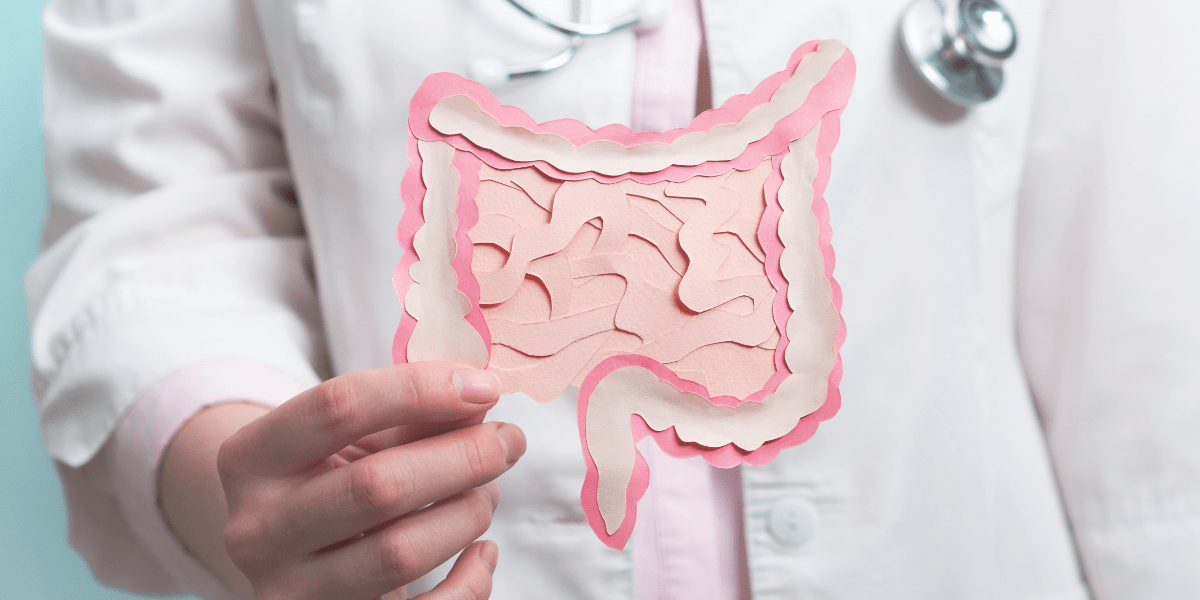
Not every person with one or two of these symptoms has dysbiosis. Occasional bloating, the rare day of brain fog, temporary skin flares are part of normal life.
But if you're experiencing a pattern of multiple symptoms from this list, if symptoms have persisted for weeks or months, or if symptoms don't respond to targeted interventions (dietary changes, skincare, stress management), dysbiosis is worth investigating.
Consider getting tested if you have:
- Multiple symptoms from this list occurring together
- Symptoms that have persisted for more than 4 weeks despite dietary changes or other interventions
- A known trigger for dysbiosis (recent antibiotics, prolonged stress, significant dietary change)
- Symptoms that don't fit a clear diagnosis from previous medical evaluation
- A pattern of symptoms that improve when your digestion improves
A gut microbiome test reveals your specific bacterial composition and clarifies whether dysbiosis is present. If dysbiosis is identified, the test results guide targeted treatment.
If you're unsure whether testing makes sense for your situation, a comprehensive gut health screening can assess multiple aspects of your digestive health.
Symptoms You Should Prioritise Testing
Certain symptom patterns suggest dysbiosis is more likely and testing is more urgent.
- If you've taken multiple courses of antibiotics recently and developed multiple new symptoms, dysbiosis is very likely.
- If you've had confirmed H. pylori infection and symptoms persist after treatment, dysbiosis is a strong possibility. H. pylori causes significant dysbiosis that often requires targeted support to resolve.
- If you have a pattern of symptoms that don't respond to targeted interventions (skin issues that don't respond to dermatology, fatigue that doesn't respond to rest, digestive symptoms that don't respond to dietary changes), dysbiosis is worth ruling out.
- If you have multiple symptoms from different categories on this list (digestive plus neurological plus dermatological), dysbiosis is a strong unifying explanation worth testing for.
Take the First Step to Dysbiosis Management
If you're experiencing several of these symptoms, the pattern matters more than any individual symptom. Dysbiosis often presents as multiple seemingly unrelated issues that finally make sense once you understand the root cause.
Rather than continuing to manage fragmented problems, recognising that they might all stem from dysbiosis gives you a concrete path to investigation and recovery. A gut microbiome test reveals whether dysbiosis is actually present and guides targeted treatment.
Your varied symptoms might not be multiple problems. They might be one problem asking for attention. Our Doctors can help you determine whether testing is appropriate and guide you toward the answers your body is seeking.
Test and Find out if you Have Dysbiosis
Patient-first, Holistic, Dedicated Healthcare
Medical Disclaimer & Limitation of Liability
The content provided in this post is strictly for informational and educational purposes. Just as we fiercely defend our right to publish general health information, we establish an uncompromising boundary: this material is never a substitute for personalised, professional medical advice, diagnosis, or treatment.
Reading this content does not establish a doctor-patient relationship. You possess the sovereign right and responsibility to manage your own health, which means you must consult your own qualified physician before making any medical decisions based on what you read here. We explicitly disclaim all medicolegal liability for any injury, loss, or risk incurred directly or indirectly from the misinterpretation, misuse, or out-of-context application of our online content. Your health is your responsibility; seek individual professional care.