H. Pylori Treatment Guide: What to Eat, Avoid, and Expect
Last updated: 19 Aug 2026

H. pylori treatment has a success rate over 90%. But that statistic assumes people actually take all their medications as prescribed. The moment someone stops early or skips doses because they feel fine or because they're experiencing side effects, the success rate plummets. Most treatment failures aren't due to antibiotic-resistant bacteria. They're due to poor adherence.
If you've just been diagnosed with H. pylori and are about to start treatment, understanding what's ahead helps you succeed. The treatment is straightforward, the duration is short, and the odds are genuinely in your favour. But only if you commit to the full course.
Test and Treat H.Pylori Infection
Patient-first, Holistic, Dedicated Healthcare
How H. Pylori Treatment Works
H. pylori treatment typically involves what's called "triple therapy" or "quadruple therapy." This means you're taking multiple medications simultaneously, not just one antibiotic.
A typical regimen includes two antibiotics (to kill the bacteria from different angles and reduce resistance), an acid suppressor (to reduce stomach acid and help the antibiotics work more effectively), and sometimes a bismuth compound (which has additional antimicrobial properties). The combination is what makes treatment effective. Taking just one antibiotic wouldn't work well enough.
The treatment duration is usually two to three weeks. Some regimens are 14 days, others are 21 days. Our Doctors will specify exactly which medications, which doses, and for how long. Adherence to this exact schedule is critical.
Why Completing the Full Course Is Non-Negotiable
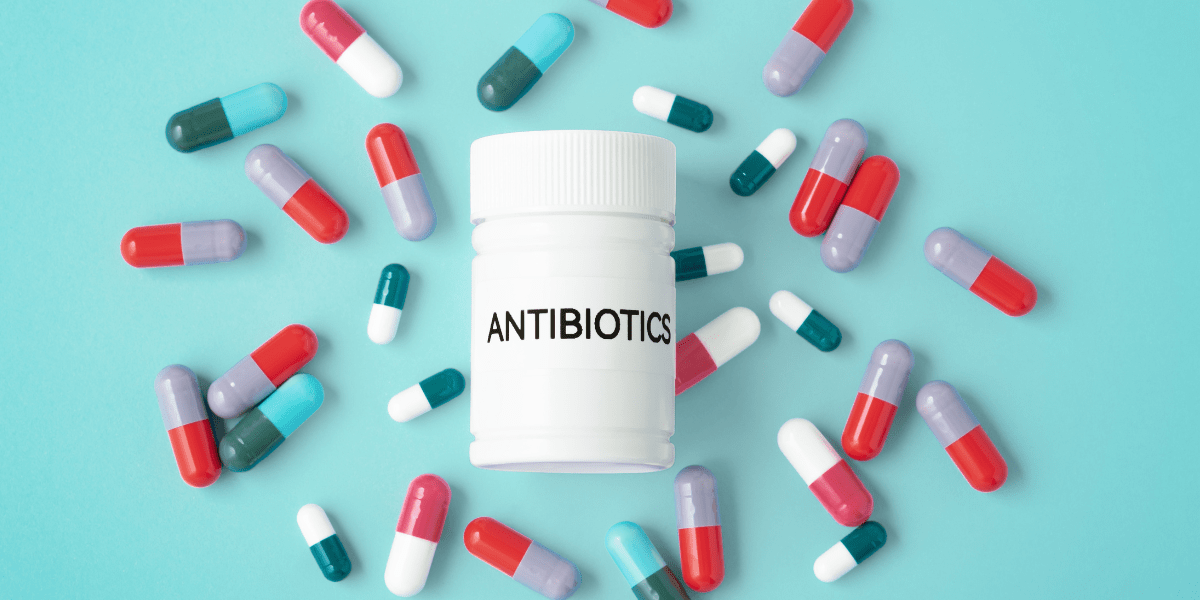
Here's where many people go wrong. Within days of starting treatment, symptoms improve. You feel better. The bloating reduces. The indigestion eases. Stomach pain that's been plaguing you for months starts to settle. It's natural to think "maybe I don't need to keep taking these antibiotics if I'm already feeling fine."
But feeling better doesn't mean the bacteria are gone. H. pylori is still there, still being killed, but it takes the full course of antibiotics to completely eradicate it. Stopping early leaves some bacteria alive. These surviving bacteria often become resistant to the antibiotics you used, making future treatment harder or impossible.
This is why the treatment failure rate increases so dramatically when people stop early. You're not just failing to treat yourself. You're potentially creating a resistant strain that makes eradication more difficult in the future.
The commitment is short. One to two weeks of taking medications as prescribed. That's all it takes to achieve a 90%+ success rate. Missing doses, skipping days, or stopping early dramatically reduces those odds.
Common Side Effects and How to Manage Them
H. pylori antibiotics commonly cause side effects. Knowing what to expect helps you decide whether a side effect warrants calling our Doctors or whether it's something you need to push through.
Nausea and Loss of Appetite
Nausea is one of the most common side effects. Your stomach is being attacked by antibiotics, which can trigger nausea. Losing your appetite while trying to take medications with food is frustrating.
Managing this: Take your medications with food, even if you're not hungry. Eat bland foods that are less likely to upset your stomach. Ginger tea or ginger supplements can help with nausea. If nausea is severe, contact our Doctors. They can sometimes adjust timing or suggest anti-nausea medication, but the goal is still to complete your full course.
Diarrhoea or Loose Stools
Antibiotics kill bacteria in your gut, not just H. pylori but your beneficial bacteria too. This disruption often causes loose stools or diarrhoea. This is extremely common and usually temporary.
Managing this: Stay hydrated. Avoid high-fibre foods and dairy temporarily. Some people find that taking probiotics during treatment helps, though this should be done strategically (certain strains are more resistant to antibiotics than others). Our Doctors can recommend specific strains that survive antibiotic treatment and actually help during this period.
Metallic Taste
Some antibiotics, particularly metronidazole, cause a metallic or bitter taste in your mouth. This is harmless but unpleasant.
Managing this: Avoid foods that amplify the taste (acidic foods, strongly flavoured foods). Peppermint tea or gum can help mask it. This usually improves as your treatment progresses.
Abdominal Discomfort or Cramping
Your stomach is being irritated by both the infection and the treatment itself. Mild cramping or discomfort is common.
Managing this: Avoid spicy, acidic, fatty, or heavily processed foods. Stick to bland, easily digestible foods. Heat can help, so consider warming pads or warm (not hot) drinks.
Allergic Reactions
Some people have allergic reactions to the antibiotics. Signs include rash, itching, swelling, or difficulty breathing. These are serious and warrant immediate medical attention.
If you experience allergic symptoms, stop the medication immediately and contact our Doctors or go to emergency depending on severity.
Rarer Side Effects Worth Knowing About
While most people experience only mild side effects, some less common effects can occur. Knowing about them helps you recognise them if they happen and know whether to contact our Doctors or adjust your approach.
Vaginitis or Yeast Infection (Women)
Antibiotics kill beneficial bacteria throughout your body, including lactobacilli in the vagina. This allows Candida (yeast) to overgrow, causing vaginal itching, burning, discharge, or discomfort. This occurs in a small but meaningful percentage of women during H. pylori treatment.
Managing this: Don't panic. This is treatable and doesn't mean you need to stop your H. pylori antibiotics. Contact our Doctors. We can prescribe an antifungal (fluconazole or topical clotrimazole) that works alongside your H. pylori treatment. Avoid tight clothing, maintain good hygiene, and avoid douching. Some women find that taking specifically selected probiotics with Lactobacillus strains helps prevent this, though timing matters (probiotics should be taken a few hours apart from antibiotics).
Oral Thrush
Similar to vaginitis, antibiotics can allow Candida to overgrow in your mouth, causing white patches on your tongue or inside your cheeks, soreness, or an unpleasant taste.
Managing this: Contact our Doctors. Antifungal rinses or lozenges can treat it without stopping your antibiotics. Avoid sugary foods and drinks, which feed yeast. Good oral hygiene helps.
Joint or Muscle Pain
Some antibiotics (particularly fluoroquinolones, though these are less common in H. pylori regimens) can cause joint or muscle pain, usually in the larger joints (knees, shoulders, hips).
Managing this: If you develop new joint pain during treatment, contact our Doctors. It might be unrelated to your antibiotics, but they need to know. In most cases, the pain is mild and resolves after treatment ends. If it's severe, your Doctors might consider alternative antibiotics.
Headaches or Dizziness
Some people experience new or worsened headaches during H. pylori treatment. Dizziness is less common but can occur.
Managing this: Stay well-hydrated, as dehydration can worsen headaches. Paracetamol is generally safe during treatment. If headaches are severe or if you develop significant dizziness, contact our Doctors. They can assess whether the symptoms are treatment-related or something else.
Photosensitivity (Sun Sensitivity)
Certain antibiotics used in some H. pylori regimens (less commonly in Singapore) can make your skin more sensitive to sun. This manifests as severe sunburn from minimal sun exposure.
Managing this: If you notice unusual sun sensitivity, avoid direct sun exposure, wear protective clothing, and use high-SPF sunscreen. Contact our Doctors to confirm whether your specific regimen carries this risk.
Peripheral Neuropathy (Tingling in Hands or Feet)
This is a rare side effect where you develop tingling, numbness, or pins-and-needles sensation in your hands or feet, usually from metronidazole if that's part of your regimen.
Managing this: This is not dangerous but is uncomfortable. If you develop new tingling or numbness, contact our Doctors. They can assess whether it's treatment-related and whether alternative antibiotics are needed. This symptom usually resolves after treatment ends.
Severe or Serious Reactions: When to Seek Immediate Care
Some side effects warrant stopping your medication and seeking immediate medical attention rather than waiting to contact our Doctors during office hours.
- Seek emergency care (call 995 or go to A&E immediately) if you experience:
- Severe allergic reaction: Difficulty breathing, swelling of face/lips/throat, severe rash covering large areas of your body
- Severe abdominal pain or bloody diarrhoea: This could indicate serious GI complications
- Severe vomiting: Especially if you're unable to keep any food or water down
- Chest pain or severe dizziness with fainting: Could indicate a serious reaction
- Signs of liver problems: Severe yellowing of skin/eyes, dark urine, pale stools, severe abdominal pain in the upper right area
- Severe headache with fever and stiff neck: Could indicate serious infection
- Anaphylaxis: Severe swelling, difficulty breathing, rapid pulse, loss of consciousness
These are rare, but knowing the signs helps you respond appropriately if they occur.
When to Contact Our Doctors (But Not Emergency):
- New or worsening symptoms after starting treatment
- Vaginitis or oral thrush
- Joint or muscle pain
- Severe headaches or dizziness
- Tingling or numbness in extremities
- Unusual skin reactions or photosensitivity
- Any side effect that's severe enough to make you want to stop treatment
- If you miss doses or forget your medications
- If you're uncertain whether a symptom warrants stopping or continuing
Dysbiosis During H. Pylori Treatment
This is important to understand because it affects how you approach your treatment and recovery.
H. pylori treatment involves antibiotics, which kill the bacteria causing your infection. But they don't discriminate between H. pylori and your beneficial bacteria. The antibiotics kill both. This causes dysbiosis, an imbalance in your microbiome, which is why diarrhoea and digestive discomfort are so common during treatment.
The good news is that dysbiosis during treatment is usually temporary. Within weeks of finishing antibiotics, your microbiome usually recovers naturally, especially if you take proactive steps. But being strategic during treatment helps minimise dysbiosis severity and accelerates recovery.
Taking specific probiotics during H. pylori treatment can help. Not all probiotics survive the antibiotic onslaught, but certain strains (particularly Saccharomyces boulardii and Lactobacillus strains) are more resistant and can help maintain some microbial balance. Our Doctors can recommend specific strains and timing.
After you finish your antibiotics, you're in the recovery phase. Many people benefit from a more comprehensive microbiome restoration approach at this point. If you're interested in understanding your post-treatment microbiome, a gut microbiome test after treatment completion can show you exactly what needs rebuilding. We have a separate guide on rebuilding your gut after antibiotics that addresses this phase specifically.
What NOT to Eat During H. Pylori Treatment

While there's no specific diet that cures H. pylori (antibiotics do that), certain foods commonly exacerbate symptoms and side effects during treatment. Avoiding these reduces flares and makes the treatment period more tolerable.
Foods and Drinks to Avoid
- Spicy foods irritate an already inflamed stomach. Hot peppers, chilli, heavily spiced curries, and spicy condiments often trigger pain or nausea during treatment. If you're experiencing stomach discomfort, avoiding spice helps.
- Acidic foods and drinks can trigger symptoms in people with H. pylori. Citrus fruits, tomato-based dishes, vinegar, and excessive coffee or strong tea often exacerbate discomfort, bloating, or nausea. If you're sensitive to these, reducing intake during treatment is sensible.
- Fatty, greasy, or fried foods are harder to digest and often cause nausea or cramping when your stomach is already irritated by antibiotics and infection. If you're experiencing digestive discomfort, these are worth avoiding temporarily.
- Alcohol should be completely avoided during H. pylori treatment. This is non-negotiable. Alcohol reduces the effectiveness of your antibiotics (particularly metronidazole if that's part of your regimen), increases nausea and GI distress, and impairs your liver's ability to process medications. The treatment duration is one to two weeks. That's a very short commitment. The stakes of drinking during treatment are too high. You risk treatment failure and antibiotic resistance.
- Processed or heavily modified foods can sometimes trigger symptoms in people with sensitive stomachs during treatment, though this varies significantly by individual. If you're experiencing flares, reducing ultra-processed items might help.
Smoking During H. Pylori Treatment
Smoking during H. pylori treatment is worth addressing because it can impair treatment effectiveness.
Smoking increases stomach acid production, which works against the acid-suppressing medications that are part of your H. pylori regimen. It also slows healing of gastritis and ulcers caused by the infection. Additionally, smoking can worsen nausea and GI side effects from the antibiotics.
If you smoke, ideally you'd reduce or quit during your treatment period. The treatment is only one to two weeks, so it's a short timeframe to ask for abstinence or reduction. If you're able to cut back or quit temporarily, it improves your chances of treatment success.
That said, the most critical factor is completing your antibiotics as prescribed. If smoking is something you're unwilling to stop, that doesn't mean you should skip treatment. Just understand that smoking reduces your treatment's effectiveness and may lower your success rate slightly.
If you're interested in quitting, your Doctors can discuss cessation support options.
Other Medications: Important Drug Interactions
If you're taking other medications alongside H. pylori treatment, this matters. Some medications interact with H. pylori antibiotics in ways that reduce their effectiveness or increase side effects.
Common medications that can interact include:
- Warfarin (blood thinner) - antibiotics can increase bleeding risk
- Statins (cholesterol medications) - increased side effects possible
- Birth control pills - antibiotics can reduce contraceptive effectiveness
- Some blood pressure medications - potential interactions depending on which ones
- Certain antihistamines and other medications
The list is long, and interactions vary depending on which specific antibiotics you're prescribed and which other medications you're taking.
This is why you must tell your Doctors about every medication you're currently taking before starting H. pylori treatment. This includes prescription medications, over-the-counter medications, supplements, and herbal remedies. Our Doctors will assess whether your current medications interact with H. pylori treatment and adjust your regimen if needed.
In some cases, your other medications might need temporary adjustment during H. pylori treatment. In other cases, they're fine to continue as-is. But this assessment requires your Doctors to know your complete medication list.
Do not stop taking medications you've been prescribed without discussing it with your Doctors first. And do not start new medications during H. pylori treatment without checking with our Doctors whether they interact with your antibiotics.
Listen to Your Body
Beyond these general guidelines, individual tolerance varies. Some people tolerate dairy fine during treatment, others don't. Some manage certain spices without issue, others flare immediately.
If specific foods consistently trigger symptoms (bloating, pain, nausea) during your treatment, avoiding them makes sense. If you're tolerating foods fine, there's no need to restrict unnecessarily.
The goal during treatment is to complete your full antibiotic course as prescribed. If avoiding certain foods makes that easier and more tolerable, do it. If you're managing fine without restrictions, that's equally valid.
When to Expect Improvement
Most people notice symptom improvement within 1 to 2 weeks of starting treatment. Bloating often reduces first. Indigestion and discomfort usually follow. If you had stomach pain, it typically resolves within the first week or two.
However, improvement in symptoms doesn't mean the bacteria are completely eradicated. The bacteria take the full course to be completely cleared. Don't confuse symptom improvement with cure.
Some people experience what feels like a temporary flare-up in the first few days of treatment. As the bacteria die off, they release toxins that can cause a brief increase in symptoms (called a Jarisch-Herxheimer reaction). This is actually a sign the treatment is working, but it's unpleasant. It usually improves within a few days.
Testing to Confirm Eradication
After you complete your treatment, you might wonder whether it actually worked. Testing confirms this.
Our Doctors will typically recommend retesting about 4 to 6 weeks after you finish your antibiotics. At this point, any remaining bacteria would have had time to regrow if treatment failed. A urea breath test or H. pylori stool antigen test at this point confirms whether eradication was successful.
If eradication is confirmed, you're free of the infection. If it's not (which is uncommon if you completed treatment properly), different antibiotics can be tried. This is why taking all doses as prescribed is so critical. Treatment failures are more likely to be resistant to first-line antibiotics.
What to Do After Treatment
Once you finish your antibiotics and confirm eradication through retesting, your recovery isn't quite complete. Your microbiome needs time to recover, and proactive steps accelerate this process.
Reintroduce a wider variety of foods gradually. Your digestion should normalise over the following weeks. Continue taking probiotics if our Doctors recommended them. Many people find that 4 to 8 weeks of continued probiotic supplementation after antibiotics helps restore balance faster.
If you're interested in understanding exactly how your microbiome recovered, a gut microbiome test after your complete recovery can show you the current state of your bacteria and whether any targeted support is needed.
Take the First Step to Eradicating H.Pylori
H. pylori treatment works when you commit to the full course, even after symptoms improve. The antibiotics are clearing the bacteria, but that process takes the full duration prescribed. Alcohol, certain foods, and premature stopping all compromise success. Managing side effects and protecting your microbiome during treatment helps ensure you come out the other side with a clear infection and a gut that recovers well.
Our Doctors can guide you through each step of treatment and recovery. It's a short commitment, one to two weeks, with genuinely high odds of success. That's worth protecting by taking every dose as prescribed.
Test and Treat H.Pylori Infection
Patient-first, Holistic, Dedicated Healthcare
Medical Disclaimer & Limitation of Liability
The content provided in this post is strictly for informational and educational purposes. Just as we fiercely defend our right to publish general health information, we establish an uncompromising boundary: this material is never a substitute for personalised, professional medical advice, diagnosis, or treatment.
Reading this content does not establish a doctor-patient relationship. You possess the sovereign right and responsibility to manage your own health, which means you must consult your own qualified physician before making any medical decisions based on what you read here. We explicitly disclaim all medicolegal liability for any injury, loss, or risk incurred directly or indirectly from the misinterpretation, misuse, or out-of-context application of our online content. Your health is your responsibility; seek individual professional care.