What Is Dysbiosis? Understanding Your Gut Bacteria Imbalance
Last updated: 19 Aug 2026
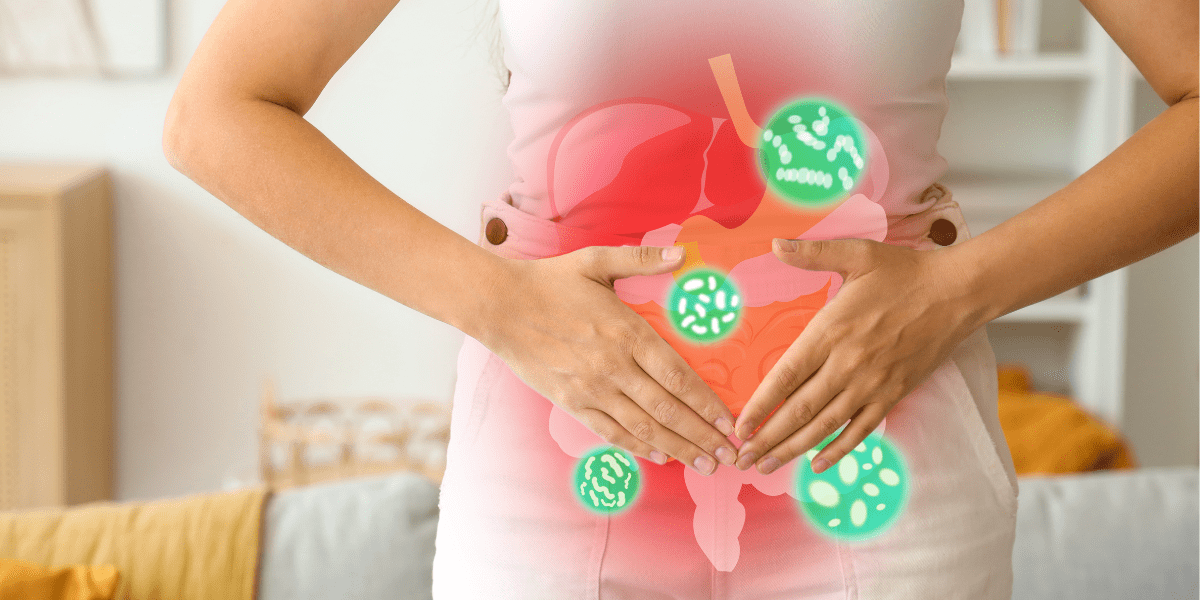
Your gut contains trillions of bacteria representing hundreds of different species. These bacteria aren't just there by accident. They're an ecosystem that influences your digestion, immunity, mental health, energy levels, and even your skin.
When that ecosystem becomes imbalanced, a state called dysbiosis, your whole body feels the effects. But because the symptoms are so varied, most people never connect them to dysbiosis.
Test and Manage Dysbiosis
Patient-first, Holistic, Dedicated Healthcare
What Exactly Is Dysbiosis?
Dysbiosis is an imbalance in the composition of your gut bacteria. Your microbiome is normally dominated by beneficial bacteria that support digestion, produce essential nutrients, strengthen your intestinal barrier, and regulate your immune system. In dysbiosis, this balance tips. Either beneficial bacteria become depleted, harmful bacteria overgrow, or the overall diversity of your bacterial ecosystem decreases.
This isn't about having "bad" bacteria that need to be killed. Many of the bacteria involved in dysbiosis are organisms that normally exist in a healthy gut but are kept in balance by the presence of beneficial bacteria. When beneficial bacteria decline, harmful bacteria get room to flourish.
The key distinction is balance. A healthy microbiome has the right ratio of different bacterial types, adequate diversity, and sufficient abundance of beneficial species. Dysbiosis means this equilibrium has shifted.
How Dysbiosis Develops
Dysbiosis rarely appears overnight. It develops gradually, often over months or years, from a combination of factors that progressively shift your bacterial balance.
Antibiotics
Antibiotics are probably the most dramatic cause. A single course of antibiotics kills both harmful and beneficial bacteria. For most people, the microbiome recovers within weeks or months. But if dysbiosis was already developing, or if you take multiple courses of antibiotics in a short time, recovery becomes less complete. Your beneficial bacteria don't fully repopulate.
Diet
A diet high in processed foods, refined sugar, and low in fibre consistently favours harmful bacteria while starving beneficial bacteria. Research published in Nature has shown that gut bacteria composition can shift dramatically within 24 to 72 hours of dietary changes. Beneficial bacteria feed on fibre, particularly soluble fibre. When fibre intake is low, these bacteria gradually decline. Harmful bacteria, which thrive on processed sugars and refined carbohydrates, proliferate.
Over time, this dietary pattern doesn't just worsen dysbiosis. It becomes self-perpetuating. Dysbiotic bacteria drive cravings for the processed foods they feed on, making dietary change feel difficult.
Chronic Stress
Stress hormones like cortisol directly alter gut bacteria composition, reducing beneficial bacteria and promoting harmful species. Research published in the Journal of Physiology and Pharmacology has shown that elevated cortisol actively shifts microbiome composition in ways that favour dysbiosis. Additionally, stress reduces stomach acid production and slows intestinal motility, which affects bacterial overgrowth. People under chronic stress consistently show dysbiosis patterns.
Infections
A bout of food poisoning or gastroenteritis kills many bacteria. Most of the time, your microbiome recovers. But if the infection is caused by H. pylori, other pathogenic bacteria, or parasites, recovery becomes incomplete. H. pylori in particular can persist for years, causing ongoing dysbiosis.
Alcohol and Smoking
Both alter the microbiome composition over time, reducing beneficial bacteria and promoting dysbiosis.
Medications Beyond Antibiotics
Certain acid-suppressing medications, anti-inflammatory drugs, and other medications can shift bacterial composition when used long-term.
Low Stomach Acid
Whether from medications, age, or other causes, low stomach acid fails to kill incoming pathogens and harmful bacteria, allowing dysbiosis to develop more easily.
The reality is that most people develop dysbiosis from a combination of these factors, not from a single cause. Years of antibiotics plus a processed food diet plus chronic stress gradually shift the balance.
Why Dysbiosis Causes Such Varied Symptoms
This is the confusing part for most people. Dysbiosis causes such different symptoms in different people that it rarely gets recognised as a single underlying condition.
Some people primarily experience digestive symptoms:
- Bloating, gas, irregular bowel habits, constipation or diarrhoea, abdominal discomfort.
- Others experience fatigue and brain fog, with minimal digestive symptoms.
- Others develop skin issues: acne, eczema flares, rosacea.
- Still others experience mood changes, anxiety, or depression.
- Many people experience multiple symptoms from different categories.
This variation happens because different patterns of dysbiosis affect your body in different ways. If beneficial bacteria that produce short-chain fatty acids are depleted, you get intestinal inflammation and bloating. If bacteria that synthesise B vitamins are reduced, you get fatigue and brain fog. If dysbiosis compromises your intestinal barrier, you get systemic inflammation that shows up on your skin.
The symptoms depend on which specific bacteria are depleted or overgrown in your particular dysbiosis. This is why one person's dysbiosis looks completely different from another's. And this is also why generic advice ("take probiotics") rarely helps. Generic probiotics don't address the specific bacteria that are actually imbalanced in your microbiome.
Dysbiosis vs. IBS vs. Food Intolerances
Many people with dysbiosis get diagnosed with IBS and assume the two are the same thing. They're not.
IBS is a diagnosis applied to people who have digestive symptoms that don't fit other diagnoses. It's descriptive, not mechanistic. It describes what's happening, not why.
Dysbiosis is a specific mechanism. An imbalance in your gut bacteria causing a specific set of effects.
Some people with dysbiosis are diagnosed with IBS because no one tested their microbiome. Their dysbiosis is the mechanism, but without testing, it's missed. They're told to manage symptoms with dietary modifications or medications, when what they actually need is microbiome rebalancing.
Similarly, people often develop what feel like food intolerances when dysbiosis is present. They eat something and feel bloated or have digestive discomfort. They assume the food is the problem. But dysbiosis makes their intestinal barrier more permeable and less tolerant of normal foods. Once the dysbiosis is treated, the apparent intolerances often disappear.
This is why testing matters. It clarifies whether you're dealing with dysbiosis, functional dyspepsia, true food allergy, or something else entirely.
Common Signs That Dysbiosis Might Be Present

Dysbiosis doesn't always announce itself with dramatic symptoms. But patterns often emerge.
- Persistent bloating, especially after meals, is one of the most common signs. The dysbiotic bacteria produce excessive gas as they ferment food.
- Irregular bowel habits either constipation or diarrhoea, or alternating between the two, often point to dysbiosis rather than other causes.
- Persistent fatigue that doesn't improve with more sleep can indicate dysbiosis affecting nutrient absorption or B vitamin synthesis.
- Skin issues that don't respond to skincare or dermatological treatment often improve dramatically once dysbiosis is addressed.
- Brain fog, difficulty concentrating, or mental cloudiness can result from dysbiosis affecting the gut-brain axis.
- Frequent bloating and gas even with a normal or healthy diet suggests dysbiosis rather than dietary cause.
- Food intolerances that develop over time, where you used to tolerate foods that now cause issues, often indicate dysbiosis rather than new allergies.
- Low energy, particularly afternoon energy crashes, can reflect dysbiosis affecting metabolism and nutrient absorption.
- Frequent infections or a feeling that your immune system is "down" can result from dysbiosis compromising your intestinal barrier and immune function.
None of these symptoms alone proves dysbiosis. But patterns of these symptoms in the absence of other clear diagnoses suggest dysbiosis is worth investigating.
How Dysbiosis Affects Your Whole Body
The effects of dysbiosis extend far beyond your digestive system.
Intestinal Barrier Function
Beneficial bacteria like Akkermansia muciniphila produce substances that strengthen your intestinal barrier, the mucosal layer that protects your gut lining. When these bacteria are depleted in dysbiosis, the barrier weakens. This is sometimes called leaky gut. A compromised barrier allows bacterial fragments and other substances to enter your bloodstream that shouldn't.
Immune Function
A large portion of your immune system lives in your gut. Your gut bacteria communicate with your immune cells and either promote or suppress inflammation. Dysbiosis disrupts these signals, often promoting chronic low-grade inflammation throughout your body. This shows up as skin issues, joint pain, autoimmune flares, and general inflammation.
Nutrient Synthesis and Absorption
Your gut bacteria synthesise B vitamins, vitamin K, and short-chain fatty acids, particularly butyrate. Dysbiosis reduces this synthesis. Additionally, dysbiosis impairs absorption of nutrients like iron, calcium, and magnesium. The result is nutrient deficiencies that contribute to fatigue, weak bones, and other issues.
Metabolism and Weight
Dysbiotic microbiomes are less efficient at extracting calories from food and regulating appetite hormones. People with dysbiosis often struggle with weight management, and correcting dysbiosis sometimes helps weight normalise without deliberate restriction.
Mood and Mental Health
The gut-brain axis is bidirectional. Your gut bacteria produce neurotransmitters and metabolites that affect mood, anxiety, and depression. Dysbiosis is associated with increased anxiety and depression. Correcting dysbiosis sometimes improves mood without other interventions.
Energy and Metabolism
Dysbiosis impairs energy production at the cellular level and affects how efficiently you convert food to energy. People with dysbiosis often experience persistent fatigue despite adequate sleep.
Detecting Dysbiosis: Why Testing Matters
You can suspect dysbiosis based on symptoms. But you can't know which bacteria are actually imbalanced, and therefore you can't know what targeted treatment will work.
A gut microbiome test analyses your bacterial composition and identifies exactly which bacteria are depleted or overgrown. This information guides treatment.
Rather than taking random probiotics that might not address your specific imbalance, a microbiome test shows you exactly which strains are missing and which dietary changes or targeted supplements would help.
Testing also shows whether dysbiosis is actually present at all. Some people have symptoms that feel like dysbiosis but have normally balanced microbiomes. Testing clarifies this.
A gut microbiome test involves a stool sample analysed through DNA sequencing. Results show your specific bacterial composition, identify dysbiosis, highlight beneficial bacteria that are depleted, and flag harmful bacteria that are overgrown.
Is Dysbiosis Reversible?
Yes. Dysbiosis is usually reversible with targeted intervention. It's not a permanent state.
The reversal process requires addressing the underlying cause (reducing stress, changing diet, treating ongoing infections like H. pylori) and actively supporting beneficial bacteria regrowth (through targeted dietary changes and sometimes specific probiotic strains).
The timeline varies. For some people, dysbiosis improves within weeks of dietary changes. For others, particularly if dysbiosis is severe or has been present for years, improvement takes months.
The key is targeted intervention based on what's actually imbalanced in your microbiome, not generic approaches.
Dysbiosis and Common Conditions
Dysbiosis doesn't cause some other conditions, but it often accompanies them or exacerbates them.
- H. pylori infection causes dysbiosis. Once H. pylori is treated, dysbiosis usually improves but may need additional support to fully recover.
- Acne and eczema are often worsened by dysbiosis, particularly through the compromised intestinal barrier allowing systemic inflammation.
- PCOS (polycystic ovary syndrome) is associated with dysbiosis. Correcting dysbiosis doesn't cure PCOS, but it often improves symptoms and metabolic function.
- Thyroid conditions can be both caused and worsened by dysbiosis, which affects gut barrier function and nutrient absorption (including selenium and zinc needed for thyroid function).
- Depression and anxiety are associated with dysbiosis through the gut-brain axis. Correcting dysbiosis sometimes improves mental health.
In all these cases, treating dysbiosis is part of a comprehensive approach, not the only treatment needed.
Test and Manage Dysbiosis
Dysbiosis is common, often unrecognised, and highly responsive to targeted intervention once identified. Rather than continuing to manage varied symptoms separately, understanding whether dysbiosis is the underlying cause gives you a clear path forward.
A gut microbiome test reveals your specific bacterial imbalances and guides personalised treatment. Your gut bacteria are trying to tell you something. The question is whether you listen and investigate. Our Doctors can help you understand what's happening in your microbiome and guide you toward rebalance.
Test and Manage Hunger-Related Stomach Pain
Patient-first, Holistic, Dedicated Healthcare
Medical Disclaimer & Limitation of Liability
The content provided in this post is strictly for informational and educational purposes. Just as we fiercely defend our right to publish general health information, we establish an uncompromising boundary: this material is never a substitute for personalised, professional medical advice, diagnosis, or treatment.
Reading this content does not establish a doctor-patient relationship. You possess the sovereign right and responsibility to manage your own health, which means you must consult your own qualified physician before making any medical decisions based on what you read here. We explicitly disclaim all medicolegal liability for any injury, loss, or risk incurred directly or indirectly from the misinterpretation, misuse, or out-of-context application of our online content. Your health is your responsibility; seek individual professional care.