Everyone Is Blaming Cortisol for Everything. Here Is What Cortisol Actually Is
Last updated: 25 Aug 2026

If you have spent any time on social media in the past two years, you have probably been told that cortisol is responsible for your weight gain, your fatigue, your breakouts, your bloating, your insomnia, your inability to lose belly fat, and your general sense that something is wrong with your health.
The content is everywhere. "Cortisol face." "Cortisol belly." "Signs your cortisol is too high." Influencers and wellness brands are attributing an extraordinary range of symptoms to a single hormone and then selling supplements, programmes, and at-home test kits to "fix" it.
The problem is that almost none of this is clinically accurate. Cortisol is a real hormone with real functions. True cortisol disorders do exist. But the way cortisol is discussed on social media bears almost no resemblance to how it behaves in the body, and physicians are increasingly raising concerns that this trend is driving unnecessary testing, misguided self-diagnosis, and a fundamental misunderstanding of how hormones work.
Test and Manage Your Cortisol and Hormonal Health
Patient-first, Holistic, Dedicated Healthcare
What Cortisol Actually Does
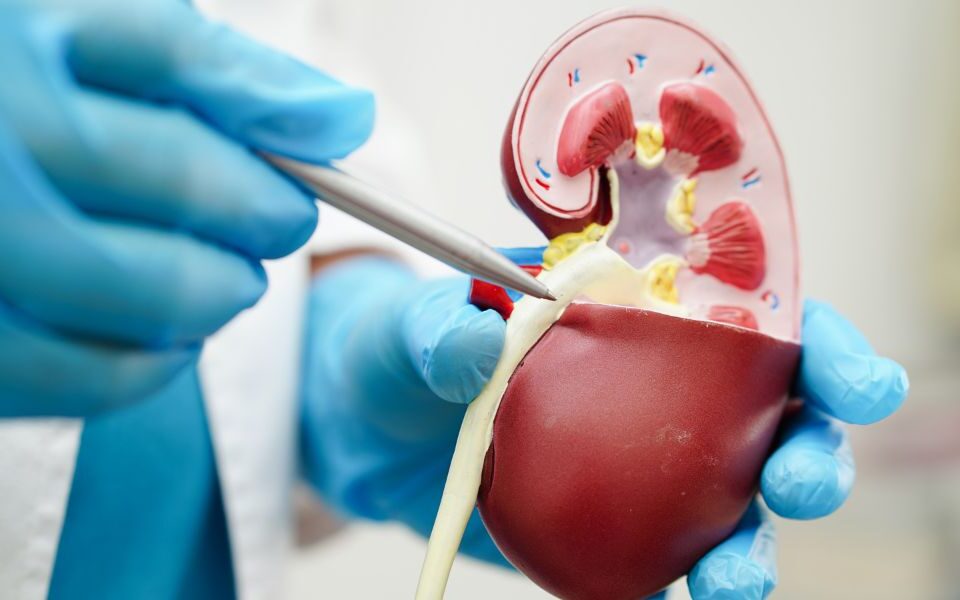
Cortisol is produced by your adrenal glands, which sit on top of your kidneys. It is often called the "stress hormone," but that label is misleading because it implies cortisol only appears when you are stressed. In reality, cortisol is active all day, every day, regardless of your stress level.
Cortisol regulates blood sugar by signalling the liver to release glucose when energy is needed. It modulates your immune system, keeping inflammation in check. It influences blood pressure by affecting how your blood vessels respond to signals from the nervous system. It plays a role in metabolism, helping your body convert fat, protein, and carbohydrates into usable energy. It affects memory formation, sleep-wake cycles, and wound healing.
You cannot live without cortisol. People with Addison's disease, in which the adrenal glands produce insufficient cortisol, require lifelong hormone replacement therapy because the body cannot function without it. Cortisol is not a toxin your body produces by accident. It is a survival hormone that your body needs in the right amounts at the right times.
Why Cortisol Fluctuates (and Why That Is Normal)
One of the most misunderstood aspects of cortisol is that it is supposed to fluctuate. It follows a natural daily rhythm called the diurnal pattern. Cortisol peaks in the early morning, typically between 6am and 8am, helping you wake up and feel alert. It then gradually declines throughout the day, reaching its lowest point around midnight, allowing you to fall asleep.
This means a cortisol test taken at 8am will show a completely different reading from one taken at 4pm, and both are normal. A single cortisol reading, taken at one point in time, tells you almost nothing about your overall cortisol status. It is a snapshot of a constantly moving target.
Cortisol also rises temporarily in response to exercise, illness, caffeine, skipping meals, poor sleep, anxiety, and even the act of having blood drawn (the stress of the needle itself can elevate cortisol). This means that a mildly elevated cortisol reading on a blood test could reflect the fact that you were nervous in the waiting room, had a bad night's sleep, or drank three coffees before your appointment. It does not mean you have a cortisol disorder.
The Real Cortisol Disorders Are Rare and Obvious
There's a logical reason why people assume bad breath is a dental problem. Dentists are the experts on mouth-related issues, and bad breath is literally coming from your mouth. So you go to a dentist, they examine you, find nothing wrong, and you leave confused.
What happens next is predictable. You try harder with oral hygiene. You brush more aggressively. You buy specialty mouthwashes. You see the hygienist more frequently. None of it helps because you're treating the symptom, not the source.
Meanwhile, the fermentation is still happening in your stomach. The H. pylori is still there. The dysbiosis is still imbalanced. And your breath continues to smell, no matter how thoroughly you clean your teeth.
This is why persistent bad breath despite excellent oral hygiene is such a reliable signal that something digestive is going on. If your dentist has cleared you and you're still struggling, the investigation needs to shift.
Cortisol In Insolation Is Just Noise
This is the core message that social media gets wrong, and it extends beyond cortisol to hormones in general.
Hormones do not operate in isolation. They exist in interconnected networks where one hormone influences the production, release, and effect of others. Cortisol interacts with insulin, thyroid hormones, sex hormones (estrogen, progesterone, testosterone), growth hormone, melatonin, and appetite hormones (ghrelin and leptin). A change in one affects the others.
This means that if you are experiencing symptoms like fatigue, weight gain, sleep disruption, mood changes, or difficulty concentrating, attributing them to cortisol alone is like hearing one instrument in an orchestra and concluding it is responsible for the entire performance. The symptom you are experiencing may involve cortisol, but it almost certainly involves other hormones and metabolic factors as well.
A thorough hormonal assessment, when clinically indicated, looks at the full picture. Depending on your symptoms, this may include:
- Thyroid function tests (TSH, free T3, free T4) to rule out hypothyroidism or hyperthyroidism, which cause many of the same symptoms attributed to "high cortisol."
- Vitamin deficiency test to rule out potential deficiencies.
- Diabetes tests such as fasting glucose and HbA1c to assess blood sugar regulation, since insulin resistance and prediabetes cause fatigue, weight gain, and brain fog.
- Full blood count test to check for anaemia.
- It may include female hormone tests if menstrual irregularity, libido changes, or menopausal symptoms are present.
- A lipid panel and blood pressure assessment to evaluate metabolic syndrome, which produces many of the symptoms people attribute to cortisol.
Only when these more common and more treatable causes have been assessed does it become appropriate to investigate cortisol specifically. Hence, a cortisol level test is usually never done alone.
What to Do Instead of Blaming Cortisol
If you are experiencing persistent fatigue, unexplained weight gain, sleep problems, mood changes, or difficulty managing stress, these symptoms deserve investigation. But the investigation should start with the most common causes, not the trendiest ones.
- Get a comprehensive health screening - A health screening that includes blood tests for thyroid function, blood sugar, cholesterol, kidney and liver function, and a full blood count will identify or rule out the most common metabolic causes of the symptoms people attribute to cortisol. This is a far more useful starting point than a standalone cortisol test.
- Assess your sleep - Singapore is one of the most sleep-deprived nations in the world. Many of the symptoms blamed on cortisol (fatigue, weight gain, brain fog, irritability) are symptoms of chronic sleep deprivation. Addressing sleep often resolves symptoms that no supplement or hormone test would fix.
- Address stress through evidence-based methods - Chronic stress is real and does elevate cortisol over time. But the solution is not a cortisol-lowering supplement. It is addressing the source of stress and improving your capacity to manage it: consistent sleep, regular physical activity, social connection, and professional support when needed.
- Talk to your doctor honestly - If you have been influenced by social media content about cortisol and you are worried about your hormones, tell your doctor. A good doctor will not dismiss your concern. They will help you understand which tests are actually useful for your symptoms and which would be a waste of time and money.
At Regis Medical, our Doctors regularly navigate these conversations with patients who arrive concerned about something they saw online. We take the symptoms seriously while steering the investigation toward what is most likely to provide answers.
The Bigger Picture: How to Think About Hormones
Hormones are not individual villains. They are part of a system. When something goes wrong in that system, it rarely comes down to a single hormone being too high or too low. It comes down to an imbalance across multiple interconnected pathways.
This is why evidence-based medicine does not diagnose hormonal issues from a single metric. It looks at patterns, multiple markers, clinical symptoms, and context. A thorough health screening provides that context. A single at-home cortisol test does not.
If you are not feeling right, take it seriously. But take it to your doctor, not to an influencer selling supplements. The answer to your symptoms is almost certainly findable. It is just unlikely to be cortisol.
Test and Manage Your Cortisol and Hormonal Health
Patient-first, Holistic, Dedicated Healthcare
Medical Disclaimer & Limitation of Liability
The content provided in this post is strictly for informational and educational purposes. Just as we fiercely defend our right to publish general health information, we establish an uncompromising boundary: this material is never a substitute for personalised, professional medical advice, diagnosis, or treatment.
Reading this content does not establish a doctor-patient relationship. You possess the sovereign right and responsibility to manage your own health, which means you must consult your own qualified physician before making any medical decisions based on what you read here. We explicitly disclaim all medicolegal liability for any injury, loss, or risk incurred directly or indirectly from the misinterpretation, misuse, or out-of-context application of our online content. Your health is your responsibility; seek individual professional care.