Hepatitis B and Liver Cancer: Why Vaccination and Testing Matters
Last updated: 27 Aug 2026

When most people think about liver cancer risk, they think about alcohol. But the leading cause of liver cancer isn't alcohol. It's chronic hepatitis B infection. In Singapore, where approximately 3 to 4% of the population are chronic hepatitis B carriers, this isn't a distant risk. It's a local one. And most carriers don't know they're infected because chronic hepatitis B can be completely asymptomatic for decades while it silently damages the liver.
The connection between hepatitis B and liver cancer is well established, direct, and preventable. The hepatitis B vaccine prevents the infection. A hepatitis B test identifies carriers who need monitoring. Together, vaccination and testing break the link between a common virus and one of Singapore's most serious cancers.
Vaccinate against Hepatitis B
Patient-first, Holistic, Dedicated Healthcare
How Hepatitis B Causes Liver Cancer
The pathway from hepatitis B infection to liver cancer isn't random. It follows a specific biological mechanism that plays out over years and decades.
When you're infected with hepatitis B, the virus targets your liver cells. In acute infection, your immune system may clear the virus completely. But in chronic infection (which occurs when the immune system fails to eliminate the virus), hepatitis B persists in your liver indefinitely.
The virus integrates its own DNA into your liver cell DNA. This is one of the direct mechanisms by which hepatitis B causes cancer. The viral DNA insertion disrupts normal cellular processes and can activate cancer-promoting genes or deactivate tumour-suppressing genes.
Simultaneously, your immune system continuously attacks infected liver cells, trying to eliminate the virus. This ongoing immune assault creates chronic inflammation in the liver. Chronic inflammation causes repeated cycles of liver cell death and regeneration. Each cycle of regeneration increases the chance of DNA mutations accumulating in new liver cells.
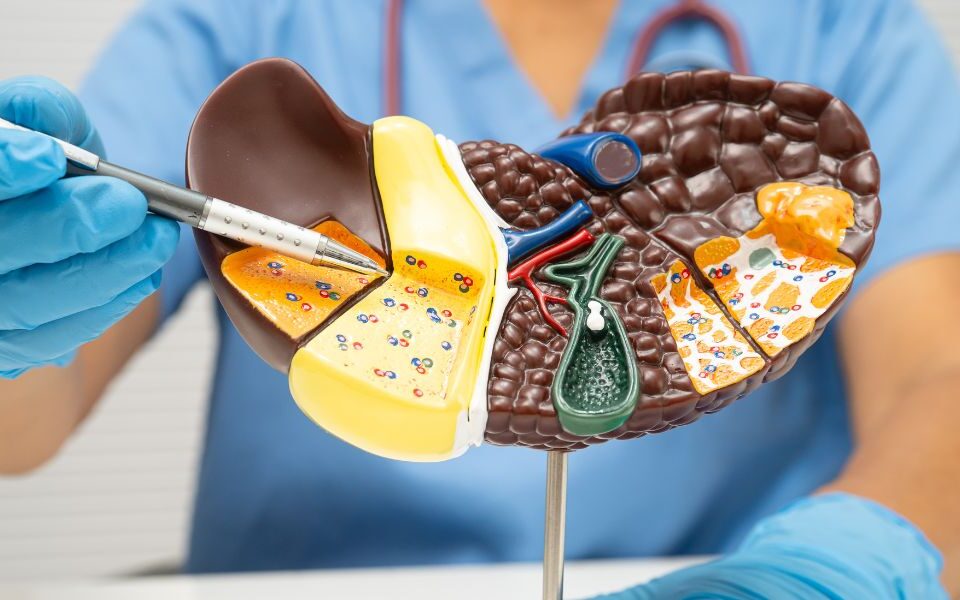
Over years, this chronic inflammation leads to fibrosis (scarring of the liver). Fibrosis can progress to cirrhosis (extensive scarring that distorts liver structure). And within this environment of chronic inflammation, cellular turnover, and accumulated DNA damage, liver cancer (hepatocellular carcinoma) can develop.
This process typically takes 20 to 30 years, which is why most hepatitis B-related liver cancer appears in adults aged 40 to 60. But the infection that started the process may have been acquired at birth or in early childhood.
Why Chronic Hepatitis B Is Often Silent
This is what makes hepatitis B particularly dangerous. The virus can damage your liver for decades without producing obvious symptoms.
Chronic hepatitis B carriers often feel completely healthy. Their energy is normal. They have no pain. They have no jaundice. Their appetite is fine. Standard check-ups may not flag anything unless liver-specific tests are included.
The liver is remarkably resilient. It can continue functioning normally even when significant inflammation and early fibrosis are present. By the time symptoms appear (fatigue, jaundice, abdominal pain, weight loss, swelling), the liver damage is often advanced. In some cases, the first symptom is the liver cancer itself.
This silent progression is why testing is so important. You cannot rely on symptoms to tell you whether you have chronic hepatitis B. A hepatitis B test is the only way to know.
Hepatitis B in Singapore: A Local Risk
Singapore's hepatitis B prevalence is historically higher than Western countries. Before universal infant vaccination was introduced in 1987, chronic hepatitis B was endemic in the local population.
Who Is Most at Risk in Singapore
- Adults born before 1987 who may not have received the infant hepatitis B vaccine - This includes a significant proportion of Singapore's current adult population aged 38 and above. Many were never vaccinated and may have been exposed through vertical transmission (mother to child at birth), childhood contact, or other routes.
- People whose mothers were hepatitis B carriers - Vertical transmission from an infected mother during birth is one of the most common routes of chronic hepatitis B acquisition. Babies infected at birth have a 90% chance of developing chronic infection because their immature immune systems cannot clear the virus.
- People who have had blood transfusions, medical or dental procedures, or tattoos in settings with inadequate infection control, particularly decades ago when screening was less rigorous.
- People who have had unprotected sexual contact with hepatitis B carriers.
The Impact of Universal Vaccination
Singapore's introduction of universal infant hepatitis B vaccination in 1987 was transformative. New chronic hepatitis B infections have declined dramatically in younger generations. But this doesn't help the pre-1987 cohort who were never vaccinated and may already be chronic carriers.
This is why testing and adult vaccination remain relevant today. The vaccine protects younger generations. But for older adults, testing identifies existing carriers who need monitoring, and vaccination protects those who were never infected.
The Numbers That Make This Personal
Understanding the scale of risk helps put hepatitis B and liver cancer into perspective.
- Chronic hepatitis B increases liver cancer risk by approximately 25 to 40 times compared to someone without the infection. This is one of the strongest cause-and-effect relationships in cancer epidemiology.
- Liver cancer is consistently among the top 10 cancers in Singaporean men. It carries a high mortality rate partly because it's often diagnosed at advanced stages, when symptoms finally appear.
- Approximately 3 to 4% of Singapore's resident population are estimated to be chronic hepatitis B carriers. Many don't know their status because they've never been tested.
- Among chronic hepatitis B carriers who don't receive monitoring or treatment, approximately 15 to 25% will develop serious liver complications including cirrhosis or liver cancer over their lifetime.
- These aren't abstract statistics. In a country of 5.9 million residents, the 3 to 4% carrier rate means over 150,000 people are living with chronic hepatitis B. Many are undiagnosed. Many are progressing silently toward liver damage.
Testing: The First Step
A hepatitis B test is a simple blood test that determines three things.
Whether You're Immune
If you were vaccinated as a child or previously cleared an acute infection, you may have protective antibodies (anti-HBs). This means you're immune and don't need vaccination.
However, vaccine-induced immunity can wane over time. Some people vaccinated as infants may no longer have adequate antibody levels decades later. A blood test confirms whether your immunity is still protective or whether a booster is needed.
Whether You're Unprotected
If you were never vaccinated and never infected, you have no antibodies and no active virus. You're susceptible to infection. The hepatitis B vaccine provides lifelong protection.
Whether You're a Carrier
If the test detects hepatitis B surface antigen (HBsAg), you're a carrier. This means the virus is present in your body. Further testing determines whether the infection is active (high viral load, liver inflammation) or inactive (low viral load, minimal inflammation).
If you're a carrier, our Doctors will recommend further investigation including liver function tests to assess current liver health, viral load measurement to determine how active the infection is, and potentially liver imaging (ultrasound) to check for fibrosis or early cancer.
What Happens If You're a Carrier
Being identified as a chronic hepatitis B carrier is not a cancer sentence. It's an opportunity for monitoring and intervention that dramatically changes your outcome.
Regular Surveillance
Chronic carriers need regular monitoring. This typically includes liver function tests every six months to detect inflammation, hepatitis B viral load measurement to track virus activity, liver ultrasound every six months to screen for early liver cancer, and alpha-fetoprotein (AFP) blood test as an additional cancer marker.
This surveillance programme detects problems early, when intervention is most effective. Liver cancer detected at an early stage has significantly better treatment outcomes than cancer found at advanced stages.
Antiviral Treatment
For carriers with active infection (high viral load, evidence of liver inflammation), antiviral medication can suppress the virus. Antivirals don't cure chronic hepatitis B (the virus remains in liver cells), but they reduce viral replication, decrease liver inflammation, slow fibrosis progression, and reduce liver cancer risk.
Long-term antiviral treatment has transformed outcomes for chronic hepatitis B carriers. Carriers on treatment have significantly lower rates of cirrhosis and liver cancer compared to untreated carriers.
Lifestyle Modifications
Chronic carriers benefit from avoiding alcohol (which accelerates liver damage on top of hepatitis B), maintaining a healthy weight (fatty liver combined with hepatitis B compounds liver damage), and ensuring adequate nutrition.
Vaccination: The Cancer Prevention Strategy
Here's where the framing shifts. The hepatitis B vaccine isn't just an infection prevention tool. It's a cancer prevention vaccine.
By preventing hepatitis B infection, the vaccine prevents the chronic liver inflammation, fibrosis, cirrhosis, and DNA damage that lead to liver cancer. It breaks the chain at the very first link.
This makes the hepatitis B vaccine one of only two vaccines in the world that directly prevents cancer (the other being the HPV vaccine, which prevents cervical and other cancers).
Who Should Be Vaccinated
- Adults who were never vaccinated as infants (born before 1987 in Singapore or in countries without universal infant vaccination).
- Adults whose vaccine-induced immunity has waned (confirmed by blood test showing low or absent anti-HBs antibodies).
- Partners and household contacts of known hepatitis B carriers.
- Healthcare workers and anyone with occupational exposure risk.
- Anyone planning travel to regions with high hepatitis B prevalence.
The Vaccination Schedule
The hepatitis B vaccine is given as three doses over six months. The second dose is given one month after the first, and the third dose is given six months after the first. Once the full course is completed, protection is considered lifelong.
Our Doctors can administer all three doses at our Holland Village or Katong clinic.
Protecting Your Family
Hepatitis B transmission within families is common, particularly from infected mothers to children during birth. If one family member is a carrier, other household members should be tested and vaccinated if not already immune.
For parents who are chronic carriers, ensuring their children are vaccinated is critical. Singapore's universal infant vaccination programme covers this for children born after 1987. But confirming your child's vaccination status, particularly if you're a carrier, provides peace of mind.
For couples planning families, knowing both partners' hepatitis B status is important. If the mother is a carrier, specific interventions at birth (hepatitis B immunoglobulin and immediate vaccination for the newborn) dramatically reduce the risk of vertical transmission.
The Dual Strategy: Vaccinate and Test
The most effective approach to breaking the hepatitis B and liver cancer link combines both vaccination and testing.
- If you've never been tested: Get a hepatitis B test. It determines your status and guides next steps. Our Doctors can include this in a routine health screening or as a standalone test.
- If you're not immune: Get vaccinated. Three doses provide lifelong protection against the virus that causes most liver cancer.
- If you're a carrier: Start monitoring. Regular surveillance detects problems early when they're most treatable. Antiviral treatment reduces liver cancer risk further.
- If you're already immune: No action needed for yourself. But consider whether family members have been tested and vaccinated.
This dual strategy addresses hepatitis B at every stage: prevention through vaccination, early detection through testing, and risk reduction through monitoring and treatment for existing carriers.
Hepatitis B Testing as Part of Your Health Screening
A hepatitis B test is quick, inexpensive, and can be added to any routine blood test or health screening visit. There's no preparation required. Results are typically available within a few days.
If you're over 38 and have never been tested for hepatitis B, adding this test to your next health screening is one of the most impactful things you can do for your long-term health. It takes seconds to draw the blood. The result could change your cancer risk trajectory for life.
Prevention Starts Before the Cancer
Most liver cancer prevention conversations focus on screening, which detects cancer after it develops. But the most effective prevention happens upstream: preventing the hepatitis B infection that drives the majority of cases.
A hepatitis B test determines whether you're immune, unprotected, or already carrying the virus. If you're unprotected, the hepatitis B vaccine provides lifelong protection with three doses. If you're a carrier, monitoring and antiviral treatment can reduce your risk. Our Doctors can test, advise, and vaccinate in a single visit. Knowing your status is the first step.
Vaccinate against Hepatitis B
Patient-first, Holistic, Dedicated Healthcare
Medical Disclaimer & Limitation of Liability
The content provided in this post is strictly for informational and educational purposes. Just as we fiercely defend our right to publish general health information, we establish an uncompromising boundary: this material is never a substitute for personalised, professional medical advice, diagnosis, or treatment.
Reading this content does not establish a doctor-patient relationship. You possess the sovereign right and responsibility to manage your own health, which means you must consult your own qualified physician before making any medical decisions based on what you read here. We explicitly disclaim all medicolegal liability for any injury, loss, or risk incurred directly or indirectly from the misinterpretation, misuse, or out-of-context application of our online content. Your health is your responsibility; seek individual professional care.