H. Pylori Reinfection Prevention: What You Actually Need to Do
Last updated: 19 Aug 2026

You've successfully eradicated H. pylori. You completed your antibiotics, got retested to confirm it's gone, and you're relieved to have it behind you. But now a new anxiety sets in: can you get it again? The answer is yes, it's technically possible. But the reality is more reassuring than it sounds.
Test and Find out if you Have Eradicated H.Pylori
Patient-first, Holistic, Dedicated Healthcare
Understanding Reinfection Risk
H. pylori reinfection is possible because you don't develop immunity after treatment. Your body doesn't learn to fight off H. pylori in the future the way it does with some other infections. Theoretically, if you're exposed to the bacterium again, you could acquire it again.
But the key word is "exposed." In developed countries with good water sanitation, adequate hygiene, and proper food safety, exposure to H. pylori is relatively uncommon. This is why reinfection rates in countries like Singapore are low, typically under 5% per year for successfully treated patients.
Compare this to reinfection rates in countries with poor water sanitation or high H. pylori prevalence, where reinfection rates can reach 30 to 40% per year. Geography matters. Your risk depends significantly on your environment.
The practical takeaway: reinfection is possible but uncommon if you live in a developed country with decent hygiene standards and don't have untreated infected household members.
Your Biggest Reinfection Risk: Untreated Family Members
Here's what the research consistently shows. The single biggest reinfection risk factor is living with untreated household members who have H. pylori. This makes sense. If your spouse or family members carry the infection and haven't been treated, you share bathrooms, food preparation spaces, and eating utensils with them daily. The faecal-oral transmission risk is real.
This is actually good news because it's identifiable and manageable. Rather than worrying about random reinfection from strangers or restaurants, you can focus on a concrete risk factor: your household.
If family members were tested and found to be H. pylori positive but chose not to treat, or if they were never tested and you suspect they might have it, that's your reinfection concern. Not the hawker stall you ate at last week. Not the colleague who shares your office space. Household transmission is what matters.
This is why family screening after your successful treatment is genuinely worthwhile. It answers the question: am I living with someone who could reinfect me?
Other Reinfection Risk Factors
Beyond untreated household members, other factors influence reinfection risk.
Age at Initial Acquisition
People who acquired H. pylori as children are less likely to be reinfected as adults because they're no longer in the high-transmission environment of childhood. If you got it from your parents when you were young, and your parents are no longer living with you, your reinfection risk is lower.
Household Hygiene
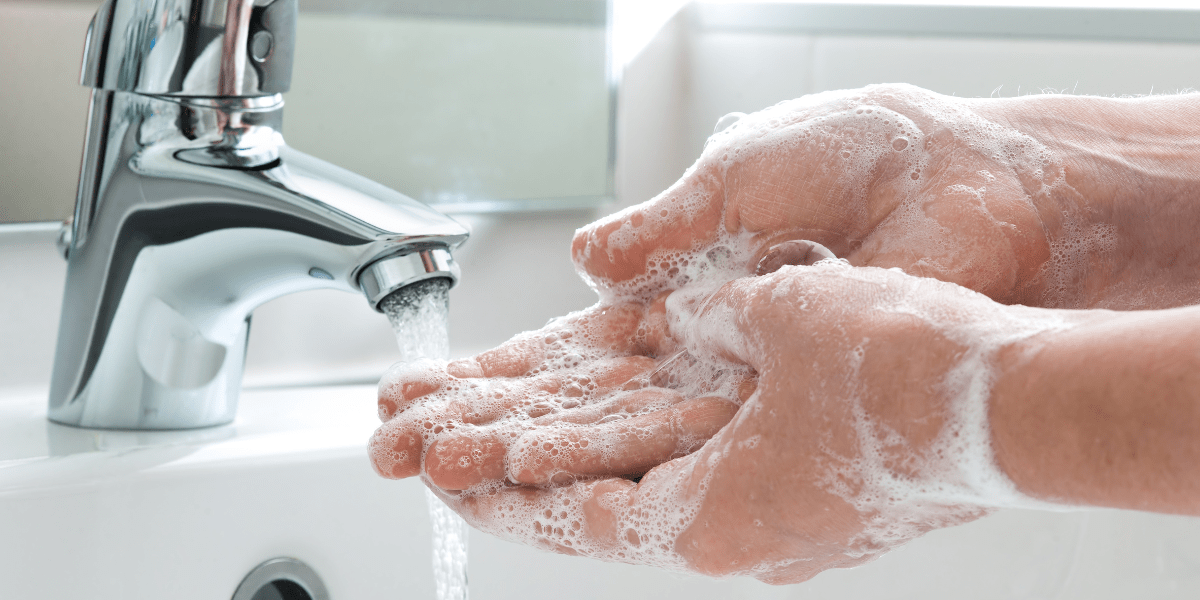
Even if a family member has untreated H. pylori, good hygiene practices reduce transmission risk. Thorough handwashing after bathroom use, not sharing eating utensils, and maintaining basic sanitation reduce (though don't eliminate) reinfection risk.
Living Environment
If you live in crowded conditions with limited access to clean water or proper sanitation, reinfection risk is higher. If you live in a clean home with adequate water supply and sanitation, reinfection risk is lower.
Occupational Exposure
Healthcare workers treating H. pylori patients might theoretically have higher exposure risk, but actual occupational transmission is extremely rare with standard precautions. Your workplace is not a significant reinfection risk factor.
Travel or Time in High-Prevalence Areas
If you travel to or spend extended time in countries with high H. pylori prevalence and poor sanitation, reinfection risk increases during that period. But once you return to a lower-prevalence environment, risk drops again.
Things TO DO to Reduce Reinfection Risk
Family and Household:
- Screen close household members (spouse, children, parents) for H. pylori
- Encourage infected family members to get treatment
- Coordinate treatment timing with family members if possible
- Maintain open communication with family about H. pylori status
Hygiene Practices:
- Wash hands thoroughly with soap and water after using the bathroom
- Wash hands before preparing or handling food
- Don't share eating utensils, cups, or drinking glasses with untreated infected household members
- Don't share toothbrushes
- Don't share hand towels; use separate towels if someone in the household has untreated H. pylori
- Maintain regular dental hygiene (brush twice daily, floss)
- Keep kitchen surfaces clean, particularly food preparation areas
- Maintain clean bathroom facilities
Health and Monitoring:
- Maintain good overall health through adequate sleep, nutrition, and stress management
- Monitor for symptoms of H. pylori recurrence (bloating, indigestion, burping, upper abdominal pain)
- Book a consultation with our Doctors if symptoms recur
- Get retested if you develop suspicious symptoms
- Maintain regular check-ups with your GP
Water and Food Safety:
- Use clean, safe drinking water (not an issue in Singapore with piped water, but relevant if travelling)
- Practice basic food safety (proper cooking temperatures, avoiding undercooked meats)
- Wash fresh produce before eating
Environmental:
- If you work in healthcare, maintain standard infection control precautions
- If travelling to high-prevalence areas, maintain heightened hygiene awareness
Things NOT TO DO (Behaviours That Increase Risk)
Don't Share Personal Items:
- Don't share eating utensils with household members who have untreated H. pylori
- Don't share toothbrushes
- Don't share towels, particularly hand towels
- Don't pre-chew food for children if you have untreated H. pylori (though as treated person, your risk is different)
- Don't kiss on the mouth with untreated infected household members (saliva can transmit)
Don't Neglect Family:
- Don't ignore signs that family members might have H. pylori
- Don't refuse to encourage treatment of infected family members
- Don't assume family screening is unnecessary
Don't Assume Risk Where It Doesn't Exist:
- Don't avoid casual contact with coworkers or friends
- Don't obsess about public bathrooms, restaurants, or shared workspaces
- Don't assume every hawker stall is a reinfection risk
- Don't panic about random public exposure
Don't Ignore Symptoms:
- Don't dismiss new digestive symptoms as "just stress" or "just IBS"
- Don't avoid retesting if you develop suspicious symptoms
- Don't assume symptoms mean certain reinfection (could be other causes)
- Don't delay contacting our Doctors if symptoms recur
Don't Skip Monitoring:
- Don't assume you're automatically reinfected if you have digestive discomfort
- Don't ignore the initial retest at 4-6 weeks after treatment
- Don't assume you'll never get it again (stay aware but not anxious)
Don't Engage in High-Risk Behaviours:
Don't travel to high-prevalence areas without heightened hygiene awareness
Don't compromise on handwashing or basic sanitation
Don't live in deliberately unsanitary conditions
Context Matters: Risk-Based Approach
Low Reinfection Risk (Do minimum):
- You live alone or with treated/screened negative household members
- You live in a developed country with good sanitation
- You maintain basic hygiene
- You have no symptoms
- Minimum approach: basic handwashing, normal hygiene, retesting only if symptoms develop.
Moderate Reinfection Risk (Do more):
- You live with untreated potentially infected household members
- You have frequent symptoms but haven't been retested
- You travel occasionally to high-prevalence areas
Enhanced approach: family screening, heightened household hygiene, symptom monitoring, retesting if symptoms develop.
Higher Reinfection Risk (Do significantly more):
- You live in or frequently visit high-prevalence areas
- Multiple household members are untreated and infected
- You work in high-risk healthcare settings
- You have recurrent symptoms despite treatment
Enhanced approach: regular family screening, strict household hygiene measures, periodic retesting, close monitoring, consider periodic preventive measures if recommended by Doctors.
Quick Reference: Daily Hygiene Checklist
- Wash hands after using bathroom
- Wash hands before food preparation
- Wash hands before eating
- Don't share eating utensils with untreated infected household members
- Use separate hand towels if someone in household has untreated H. pylori
- Brush teeth twice daily
- Clean kitchen and bathroom surfaces regularly
- Monitor for symptoms (bloating, indigestion, burping, stomach pain)
What’s Not to Worry About Reinfection
It helps to clarify what's not a reinfection risk, so you can stop worrying about things that don't matter.
- You won't get reinfected from casual contact with coworkers, classmates, or friends. H. pylori doesn't spread through handshakes, shared workspaces, or casual conversation.
- You won't get reinfected from restaurants or contaminated food in developed countries with food safety standards. Reinfection through food is primarily a risk in areas with very poor sanitation.
- You won't get reinfected from public bathrooms, swimming pools, or other public spaces. Again, faecal-oral transmission requires direct contact, not casual exposure.
- You won't get reinfected from your healthcare provider or during medical procedures. Healthcare settings maintain sanitation standards that prevent transmission.
In other words, most of the situations you might worry about aren't actual risks. Your real risk is household transmission from untreated family members. That's where your attention should go.
Family H.pylori Test After Your Successful Treatment
It helps to clarify what's not a reinfection risk, so you can stop worrying about things that don't matter.
- You won't get reinfected from casual contact with coworkers, classmates, or friends. H. pylori doesn't spread through handshakes, shared workspaces, or casual conversation.
- You won't get reinfected from restaurants or contaminated food in developed countries with food safety standards. Reinfection through food is primarily a risk in areas with very poor sanitation.
- You won't get reinfected from public bathrooms, swimming pools, or other public spaces. Again, faecal-oral transmission requires direct contact, not casual exposure.
- You won't get reinfected from your healthcare provider or during medical procedures. Healthcare settings maintain sanitation standards that prevent transmission.
In other words, most of the situations you might worry about aren't actual risks. Your real risk is household transmission from untreated family members. That's where your attention should go.
Family H.pylori Test After Your Successful Treatment
Given that untreated family members are your main reinfection risk, strategic family screening makes sense after your successful treatment.
- Close household members including your spouse, children, and parents should be considered for testing. These are the people you share daily living spaces with, eat from shared dishes with, and have the closest contact with.
- Testing is straightforward and non-invasive. A urea breath test takes 30 minutes with results in a few days. An H. pylori stool antigen test requires a stool sample with results within 20 minutes the same day.
- If family members test positive, they should be offered treatment. This isn't just for their health, though that matters. It's also to reduce your reinfection risk.
Our Doctors can discuss family screening with you and arrange testing for household members if appropriate.
When to Consider Retesting After Treatment
The standard approach is retesting 4 to 6 weeks after you finish your antibiotics. At this point, any remaining bacteria would have had time to regrow if treatment failed. A urea breath test or stool antigen test at this point confirms whether eradication was successful.
If that retest is negative (which it should be if you completed treatment properly), you're clear of the infection.
After that initial retest, routine retesting isn't necessary unless you have symptoms suggestive of reinfection. If you develop symptoms again (bloating, indigestion, upper abdominal pain), retesting at that point makes sense. But yearly screening "just in case" isn't recommended for people living in low-risk environments.
However, if you live in a high-risk environment (poor sanitation, endemic H. pylori prevalence) or if you have untreated infected household members, periodic retesting might be sensible. Our Doctors can advise based on your specific situation.
What to Do If You Develop Symptoms Again
If you develop symptoms suggestive of H. pylori (bloating, indigestion, burping, stomach pain) months or years after successful treatment, the question becomes: is this reinfection or something else?
Retesting with a urea breath test or stool antigen test can answer this. If positive, it indicates reinfection or (rarely) treatment failure. If negative, your symptoms have a different cause.
Book a consultation with our Doctors if you develop recurrent symptoms. They can assess whether retesting is warranted and help identify what's causing your symptoms if it's not H. pylori.
Timeline of Reinfection Risk
Most reinfections occur within the first year after successful treatment, with highest risk in the first few months. This is the period when ongoing exposure to untreated household members (if present) is most likely to result in transmission.
After the first year, if you haven't been reinfected, your risk drops substantially. This is partly because time passes and exposure continues without transmission occurring, and partly because people often address household transmission risks (treating family members or reducing contact) over time.
By five years after successful treatment, if you haven't been reinfected, the likelihood of eventual reinfection in a developed country is quite low, assuming continued normal hygiene and lifestyle.
Find Out If You Have H.pylori Reinfection
H. pylori reinfection is possible but uncommon in developed countries, particularly if basic hygiene is maintained and family members are screened and treated if needed. The good news is that your main reinfection risk factor is identifiable and manageable. Rather than living with anxiety about random reinfection, strategic family screening gives you clarity and protection.
Our Doctors can arrange testing for household members. Once you know who's at risk, you can address it directly. Then you can move forward without the worry. That's the practical path to genuine peace of mind rather than indefinite anxiety.
Test and Find out if you Have Eradicated H.Pylori
Patient-first, Holistic, Dedicated Healthcare
Medical Disclaimer & Limitation of Liability
The content provided in this post is strictly for informational and educational purposes. Just as we fiercely defend our right to publish general health information, we establish an uncompromising boundary: this material is never a substitute for personalised, professional medical advice, diagnosis, or treatment.
Reading this content does not establish a doctor-patient relationship. You possess the sovereign right and responsibility to manage your own health, which means you must consult your own qualified physician before making any medical decisions based on what you read here. We explicitly disclaim all medicolegal liability for any injury, loss, or risk incurred directly or indirectly from the misinterpretation, misuse, or out-of-context application of our online content. Your health is your responsibility; seek individual professional care.