Gentle Walks vs HIIT vs Marathon: Which Intensity Is Actually Best for Health?
Last updated: 25 Aug 2026

The fitness world presents exercise as a spectrum with two extremes. On one end, wellness influencers promote gentle walking as the only movement you need. On the other, high-intensity training advocates insist that unless you are gasping for air, you are wasting your time. And somewhere in between, marathon runners claim that endurance is the ultimate test of health.
Each camp has passionate believers. Each cherry-picks research to support its position. And each leaves out the nuance that would help you make a genuinely informed decision about how to move your body.
The evidence does not support any single intensity as universally "best." What it does show, consistently and clearly, is that the right intensity depends on what you are trying to achieve, and that the single most important factor is not intensity at all. It is consistency.
Comprehensive Health Screenings at Regis Medical
Patient-first, Holistic, Dedicated Healthcare
The Case for Gentle Walking: More Powerful Than You Think
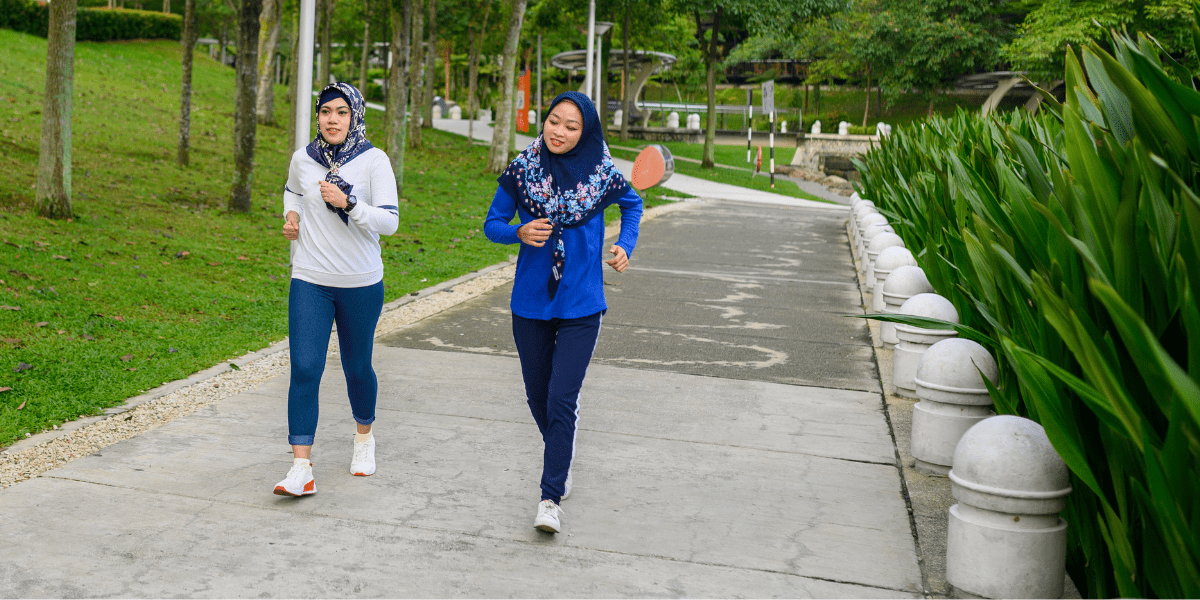
Walking is routinely dismissed as "not real exercise." This is wrong, and the data proving it is extensive.
A 2025 study in the American Journal of Preventive Medicine tracking nearly 85,000 adults over a median of 16.7 years found significant associations between daily walking time and reduced all-cause mortality. Faster walking pace further amplified the benefit, with each additional minute per mile in walking pace associated with reduced mortality from cardiovascular disease, diabetes, and dementia.
The NPHS 2024 found that commuting was the largest contributor to total physical activity among Singaporeans, accounting for 51.6 per cent of weekly activity. This means that for many Singaporeans, walking to the MRT, through hawker centres, and around shopping malls is their primary form of exercise. And that walking is doing more for their health than they realise.
Walking reduces blood pressure, improves insulin sensitivity, lowers triglycerides, supports joint health, reduces anxiety and depression, and promotes better sleep. It requires no equipment, no membership, no special clothing, and no recovery period. You can do it in Singapore's parks, shopping malls, HDB corridors, or simply by choosing stairs over lifts.
For sedentary adults, overweight individuals, elderly patients, and anyone recovering from illness or injury, walking is the single most valuable form of exercise. The health benefit of going from zero activity to 30 minutes of daily walking is far greater than the benefit of going from regular exercise to more intense exercise.
A post-dinner walk of 15 to 20 minutes also directly improves post-meal blood sugar. For anyone managing prediabetes or metabolic syndrome, this is one of the simplest interventions available, as we discussed in our guide to how hawker meals affect blood sugar.
Walking's limitation: It does not build significant muscle mass or substantially improve cardiovascular fitness beyond a certain baseline. If your goals extend beyond general health maintenance, you need to add something more.
The Case for HIIT: Efficient for VO2 Max
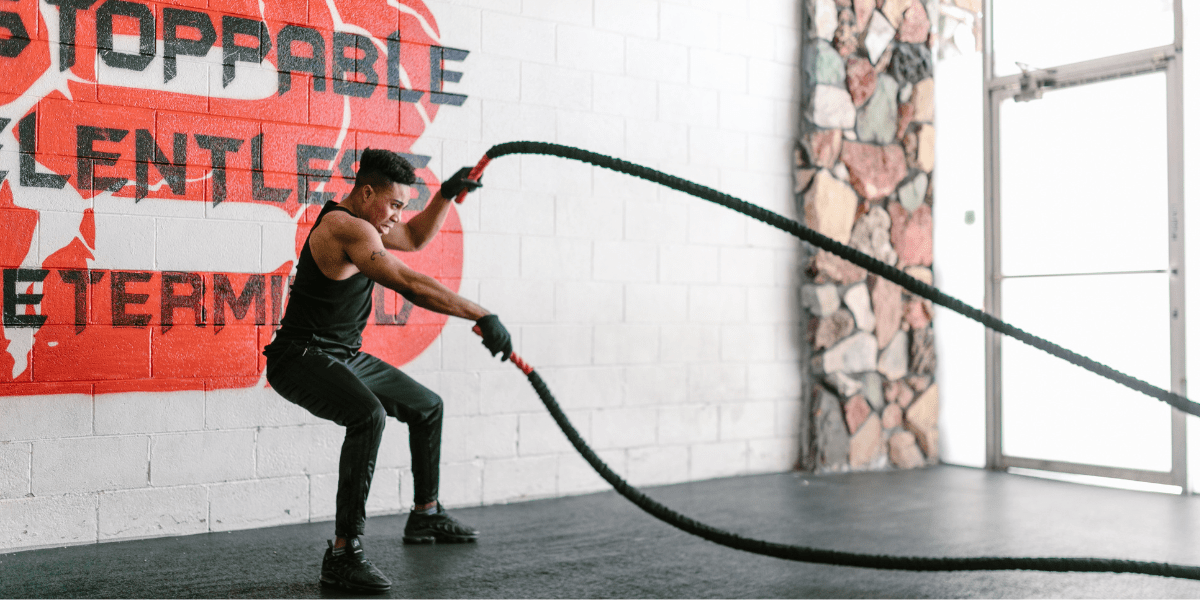
High-intensity interval training involves short bursts of near-maximal effort (typically 20 to 60 seconds) followed by brief recovery periods, repeated for 15 to 30 minutes. It has been heavily promoted as the most time-efficient way to improve fitness, and on that specific claim, the evidence is supportive.
HIIT improves cardiovascular fitness (measured by VO2 max) more quickly than moderate-intensity continuous exercise. It improves insulin sensitivity. It reduces visceral fat. It enhances the heart's contractile efficiency. For people with limited time, 20 minutes of HIIT can produce cardiovascular adaptations that would take 45 to 60 minutes of moderate exercise to achieve.
Research has also shown that HIIT attenuates insulin resistance caused by sleep deprivation, which is particularly relevant in a country where more than half the population sleeps fewer than seven hours a night.
However, HIIT has meaningful limitations that its advocates tend to understate.
- Injury risk - High-intensity exercise performed without adequate conditioning, proper form, or sufficient warm-up significantly increases the risk of musculoskeletal injury. For deconditioned adults jumping into HIIT classes, the risk of knee, ankle, shoulder, and lower back injuries is real. These injuries can sideline you for weeks or months, erasing any fitness gains.
- Recovery demands - HIIT places substantial stress on the cardiovascular and musculoskeletal systems. Doing HIIT five or six days a week without adequate recovery leads to overtraining, elevated cortisol, impaired immune function, and diminished returns. Most exercise physiologists recommend HIIT no more than two to three times per week, with moderate or low-intensity activity on other days.
- Sustainability - HIIT is hard. It is uncomfortable by design. Many people start HIIT programmes with enthusiasm and abandon them within weeks because the sessions feel punishing. An exercise programme you quit after a month provides zero long-term benefit, regardless of how efficient it was while you were doing it.
- Not suitable for everyone - Adults with uncontrolled hypertension, heart conditions, significant joint problems, or those who have been sedentary for years should not begin with HIIT. A gradual progression from walking to moderate exercise to higher intensity is both safer and more sustainable.
The Case for Endurance Training: Powerful but Diminishing Returns
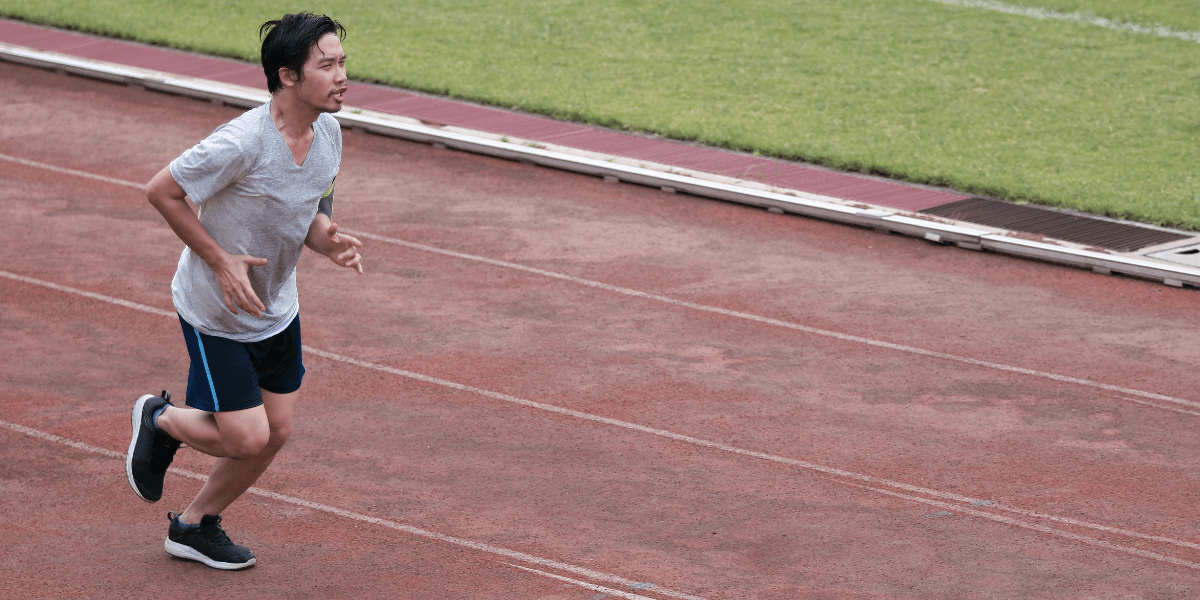
Marathon training and long-distance endurance exercise occupy a unique position in the exercise spectrum. The cardiovascular, metabolic, and psychological benefits of sustained aerobic training are well documented. Regular endurance exercise significantly reduces the risk of cardiovascular disease, improves cholesterol profiles, enhances mitochondrial function, and is associated with longer life expectancy.
Singapore's running culture is thriving. Events like the Standard Chartered Singapore Marathon, the Sundown Marathon, and countless park runs draw tens of thousands of participants annually. For many Singaporean adults, training for a marathon or half-marathon provides the structure and motivation they need to maintain consistent exercise habits.
However, the relationship between endurance exercise and health is not linear. There is a point of diminishing returns, and there may be a point where extreme endurance exercise becomes counterproductive.
Research on marathon and ultra-endurance events has shown that acute prolonged endurance exercise is associated with transient reductions in heart function, reflecting short-term myocardial fatigue. These changes are temporary and fully reversible in healthy individuals. But in people with undiagnosed cardiac conditions, extreme endurance exercise can unmask problems that might otherwise remain hidden.
Long-distance running also carries significant musculoskeletal injury risk. Repetitive impact loading over months of training can cause stress fractures, tendinopathy, runner's knee, plantar fasciitis, and hip injuries. These injuries are cumulative and can become chronic if not managed properly.
The evidence suggests that the health benefits of aerobic exercise plateau at roughly 150 to 300 minutes of moderate activity per week (or 75 to 150 minutes of vigorous activity). Beyond that threshold, additional exercise still provides some benefit, but the marginal gains diminish substantially.
In other words: training for a 5K provides most of the health benefits. Training for a marathon provides some additional benefit. Training for an ultra-marathon may provide little additional health benefit and introduces meaningful injury and cardiac risk.
What the Evidence Actually Recommends
The WHO and Singapore's Health Promotion Board recommend the same baseline for adults: 150 to 300 minutes of moderate-intensity aerobic activity per week (or 75 to 150 minutes of vigorous activity), plus muscle-strengthening activities on two or more days per week.
A 2026 study published in National Geographic highlighted that participants who combined aerobic exercise with resistance training saw gains in both cardiovascular health and muscle function, while those who only did aerobic exercise saw cardiovascular improvement but their muscle health remained weak. The researchers concluded that pairing strength training with aerobic exercise is the optimal combination for longevity.
In practical terms, this means the "best" exercise programme for most Singaporean adults looks something like this: walking or other moderate aerobic activity most days (aim for 30 minutes daily), resistance training two to three times per week (bodyweight exercises, weights, resistance bands), and optional higher-intensity sessions one to two times per week for those who enjoy them and are conditioned for them.
This combination covers all the bases: cardiovascular health, metabolic health, muscle mass preservation, bone density, insulin sensitivity, and mental health.
The Most Important Variable: Consistency
Here is the finding that matters more than any comparison of exercise intensities.
The single greatest health benefit comes from moving from sedentary to active. Not from moderate to intense. Not from intense to extreme. From nothing to something. The gap between zero exercise and regular walking is far larger, in terms of mortality reduction and disease prevention, than the gap between walking and HIIT.
This means that the best exercise is the one you will actually do, repeatedly, for years. If you love walking, walk. If you love HIIT, do HIIT (with adequate recovery). If you love running, run. If you love swimming, cycling, dancing, or playing badminton at the void deck, do that.
The worst exercise programme is the one that sits in your calendar for two weeks before you abandon it. An imperfect routine maintained for decades beats a perfect routine abandoned after a month.
Know Your Baseline Before You Start
If you have been sedentary for an extended period, are over 40, or have existing health conditions such as diabetes, hypertension, or heart disease, it is worth getting a health screening before significantly increasing your exercise intensity. Understanding your blood sugar, blood pressure, cholesterol, and cardiovascular risk profile helps you and your doctor determine what type and intensity of exercise is safe and appropriate for your current health status.
At Regis Medical, our Doctors can assess your readiness for exercise, identify any conditions that require consideration, and help you build a plan that is both effective and sustainable. Whether that starts with daily walks around your neighbourhood or progresses to structured training, the goal is the same: consistent movement that you maintain for the long term.
Your body does not care about trends. It cares about what you do, week after week, year after year.
Comprehensive Health Screenings at Regis Medical
Patient-first, Holistic, Dedicated Healthcare
Medical Disclaimer & Limitation of Liability
The content provided in this post is strictly for informational and educational purposes. Just as we fiercely defend our right to publish general health information, we establish an uncompromising boundary: this material is never a substitute for personalised, professional medical advice, diagnosis, or treatment.
Reading this content does not establish a doctor-patient relationship. You possess the sovereign right and responsibility to manage your own health, which means you must consult your own qualified physician before making any medical decisions based on what you read here. We explicitly disclaim all medicolegal liability for any injury, loss, or risk incurred directly or indirectly from the misinterpretation, misuse, or out-of-context application of our online content. Your health is your responsibility; seek individual professional care.