Visceral Fat: The Fat That Drives Diabetes, Heart Disease, and Fatty Liver
Last updated: 25 Aug 2026
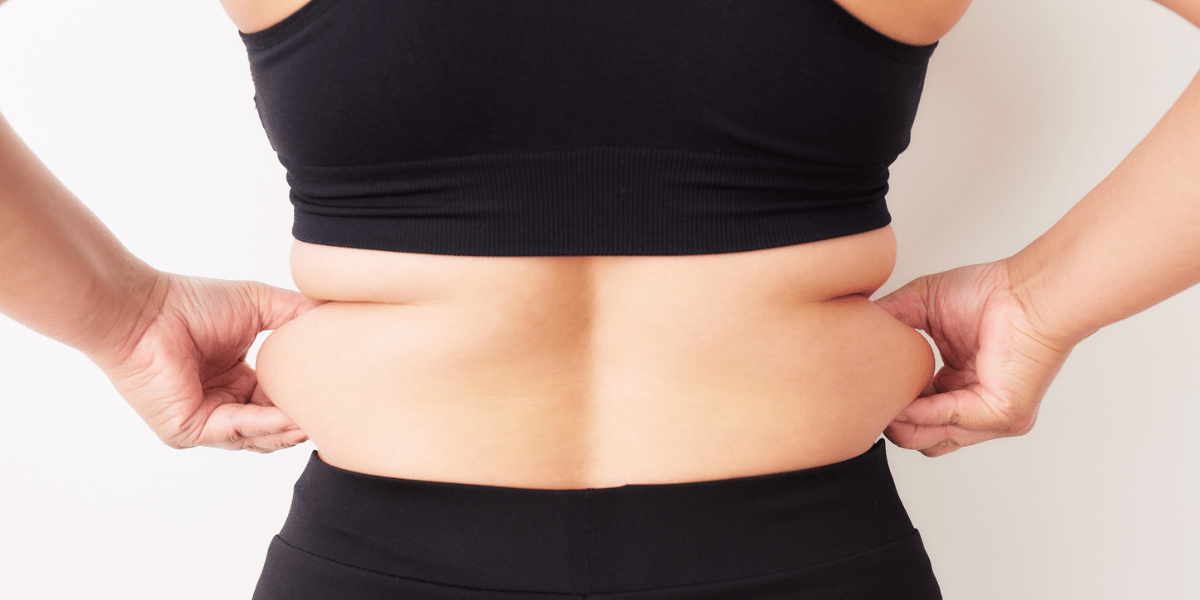
Not all body fat is created equal. The fat on your arms, thighs, and hips is subcutaneous fat. It sits beneath the skin, stores energy, and is largely metabolically quiet. You can pinch it. It is visible. And while excess subcutaneous fat is associated with health risks, it is not the type of fat that drives the chronic diseases most prevalent in Singapore.
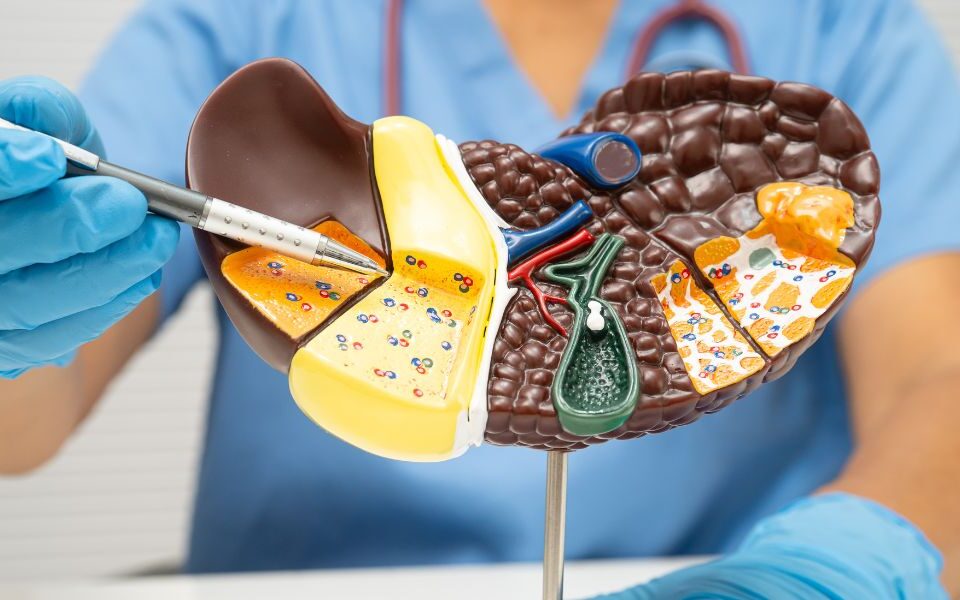
The fat that drives disease is the fat you cannot see or touch. Visceral fat is stored deep inside the abdominal cavity, packed around your liver, pancreas, kidneys, and intestines, behind the wall of muscle that forms your abdomen. A study from the Lancet Diabetes & Endocrinology using dual-energy X-ray absorptiometry in Singapore found that visceral adiposity is an independent risk factor for metabolic disease across all Asian ethnic groups, and accounts for a large fraction of Type 2 diabetes cases in each group studied.
If subcutaneous fat is a passive storage depot, visceral fat is an active participant in disease. Understanding what it does, not just where it is, changes how you think about your health and what you should be testing.
Find out more about your health
Patient-first, Holistic, Dedicated Healthcare
Visceral Fat Is Not Just Fat. It Is an Organ
This is the key concept that most people miss. Visceral fat does not simply sit around your organs occupying space. It actively secretes hormones, inflammatory molecules, and signalling chemicals that alter how your entire body functions.
Visceral fat cells produce cytokines, including tumour necrosis factor-alpha (TNF-alpha) and interleukin-6 (IL-6), which promote chronic, low-grade inflammation throughout the body. This systemic inflammation is not the kind you feel as pain or swelling. It is subclinical, operating below the level of symptoms, quietly damaging blood vessel walls, impairing cellular signalling, and disrupting metabolic processes over months and years.
Visceral fat also produces excessive amounts of free fatty acids that are released directly into the portal vein, the blood vessel that carries blood from the gut to the liver. This constant flood of free fatty acids overwhelms the liver's processing capacity and drives fat accumulation within liver cells. This is the primary mechanism behind metabolic dysfunction-associated steatotic liver disease (MASLD), previously known as non-alcoholic fatty liver disease.
Additionally, visceral fat produces the enzyme aromatase, which converts testosterone to estrogen in men, and alters the hormonal environment in ways that promote further fat accumulation. It also secretes adipokines that interfere with insulin signalling, directly promoting insulin resistance.
In short, visceral fat is not a consequence of poor health. It is an active cause of it.
How Visceral Fat Drives Diabetes
The connection between visceral fat and Type 2 diabetes runs through insulin resistance.
Insulin is the hormone that allows glucose to enter your cells. When visceral fat releases inflammatory cytokines and free fatty acids, these substances interfere with the insulin receptors on your cells. Your cells become less responsive to insulin's signal. Glucose lingers in the bloodstream. Your pancreas compensates by producing more insulin, but over time, it cannot keep up. Blood sugar rises. First to the prediabetic range, then to the diabetic threshold.
This process is particularly relevant in Singapore because Asians develop insulin resistance at lower levels of total body fat than Caucasians. A HealthXchange analysis notes that 1 in 4 healthy-weight Singaporean Chinese in their 20s and 30s already has low muscle mass combined with high body fat. Their BMI is normal but their visceral fat is elevated, and their metabolic health is already compromised.
This is why a diabetes screening test is important regardless of your weight. If you carry your weight around your midsection, even modestly, visceral fat-driven insulin resistance may already be developing.
How Visceral Fat Drives Fatty Liver
Your liver processes approximately 1.5 litres of blood per minute. When visceral fat floods the portal vein with free fatty acids, the liver absorbs and attempts to process them. When the volume exceeds the liver's metabolic capacity, excess fat is stored within liver cells.
This is MASLD, the most common liver disease in Singapore and the most common chronic liver disease worldwide. A Singapore community study found that 40 per cent of participants had fatty liver on ultrasound, with higher rates in those with metabolic syndrome, larger waist circumference, and higher BMI.
MASLD progresses through stages. Simple steatosis (fat accumulation) is the earliest and most reversible stage. If the underlying cause persists, it can progress to steatohepatitis (fat plus inflammation), then to fibrosis (scarring), and eventually to cirrhosis (irreversible liver damage). The progression is slow, typically over years to decades, but it is entirely silent until advanced stages. You will not feel your liver accumulating fat. A liver function test detecting elevated liver enzymes is often the first indication.
The critical insight is that MASLD is not caused by alcohol. It is caused by metabolic dysfunction driven primarily by visceral fat and insulin resistance. You can develop fatty liver without ever drinking a glass of wine.
How Visceral Fat Drives Heart Disease
Visceral fat increases cardiovascular risk through multiple simultaneous pathways.
The chronic inflammation driven by visceral fat damages the endothelium (the inner lining of blood vessels), accelerating atherosclerosis, the buildup of fatty plaques inside artery walls. This is the same process that causes heart attacks and strokes.
Visceral fat raises triglycerides and lowers HDL cholesterol, producing the atherogenic lipid pattern that is strongly associated with cardiovascular events. A cholesterol screening test showing elevated triglycerides and low HDL in a man or woman with a prominent waistline is a red flag for visceral fat-driven cardiovascular risk.
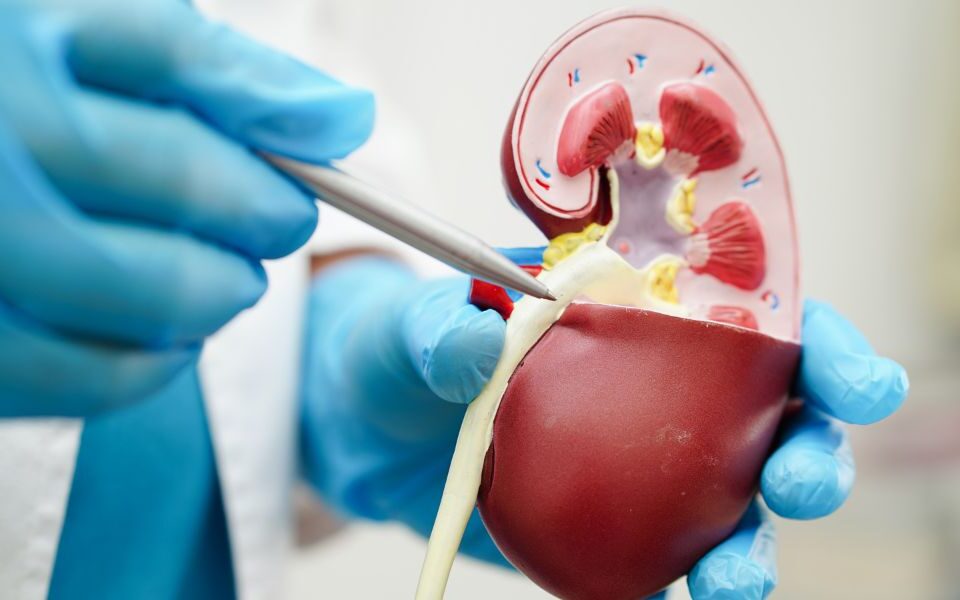
Visceral fat promotes hypertension by altering kidney function, increasing sodium retention, and activating the sympathetic nervous system. Many patients with "unexplained" high blood pressure have visceral fat as the underlying driver.
Visceral fat also drives atrial fibrillation through the accumulation of epicardial fat (fat around the heart), which promotes electrical instability in the atria.
These pathways do not operate independently. They compound each other, which is why visceral fat is such a powerful predictor of cardiovascular events, stronger than BMI, stronger than total body weight, and stronger than subcutaneous fat.
Why Asians Accumulate Visceral Fat Differently
Asian populations store proportionally more visceral fat at any given BMI compared to Caucasian populations. This means that a Singaporean man with a BMI of 24 (classified as normal weight in Western guidelines) may carry the same visceral fat load as a Caucasian man with a BMI of 28. The Lancet study confirmed that this pattern holds across Chinese, Malay, and Indian Singaporeans, though the degree varies between ethnic groups.
This is why Singapore uses lower BMI thresholds than Western countries: 23 to 27.4 kg/m² is classified as moderate risk, and 27.5 and above as high risk. Even these adjusted thresholds may miss individuals with metabolically significant visceral fat, because BMI cannot distinguish between muscle and fat, or between subcutaneous and visceral fat.
The practical implication: waist circumference is a better indicator of visceral fat than BMI. For Asian men, a waist circumference of 90 cm or above signals elevated visceral fat. For Asian women, the threshold is 80 cm. These are the numbers that predict metabolic risk more accurately than anything your weighing scale can tell you.
How to Know If Visceral Fat Is Affecting Your Health
Visceral fat produces no symptoms on its own. You cannot feel it accumulating. You will not notice a specific moment when it begins driving insulin resistance or depositing fat in your liver. The damage happens gradually, silently, and is only detectable through measurement and testing.
A comprehensive health screening at Regis Medical provides the metabolic picture that reveals whether visceral fat is affecting your health. The relevant markers include waist circumference measurement, fasting glucose and HbA1c (to detect insulin resistance and prediabetes), lipid profile (triglycerides and HDL pattern), liver function tests (to detect early fatty liver), blood pressure, and kidney function (visceral fat-driven hypertension affects kidney health over time).
If three or more of these markers are abnormal, you likely meet the criteria for metabolic syndrome, a condition driven primarily by visceral fat that multiplies your risk of diabetes, heart attack, and stroke.
Reducing Visceral Fat: What Actually Works

The good news is that visceral fat is more responsive to intervention than subcutaneous fat. It is mobilised earlier during weight loss and responds strongly to specific lifestyle changes.
- Caloric deficit - Any form of sustained caloric reduction mobilises visceral fat preferentially. You do not need a specific diet. You need a consistent deficit.
- Resistance training - Building muscle increases your resting metabolic rate and improves insulin sensitivity, both of which directly counteract visceral fat accumulation. Two to three sessions per week of progressive resistance training is the most effective exercise modality for reducing visceral fat.
- Aerobic exercise - Regular moderate-intensity activity (brisk walking, cycling, swimming) reduces visceral fat independently of weight loss by improving metabolic function and insulin sensitivity.
- Reducing refined carbohydrates and sugar - As discussed in our blogs on hawker food and blood sugar and the bubble tea tax, Singapore's dietary landscape promotes visceral fat accumulation through excessive refined carbohydrate and sugar intake. Reducing these is one of the most impactful dietary changes.
- Increasing fibre - Higher fibre intake is associated with lower visceral fat. The average Singaporean consumes 13 grams per day. Doubling this to 25 to 30 grams directly supports visceral fat reduction.
- Improving sleep - Chronic sleep deprivation promotes visceral fat accumulation through cortisol elevation and insulin resistance.
- Reducing alcohol - Alcohol provides empty calories and promotes visceral fat storage, particularly in men.
A loss of just 5 to 10 per cent of body weight can produce meaningful reductions in visceral fat, measurable improvements in liver enzymes, blood sugar, cholesterol, and blood pressure, and significant reduction in cardiovascular risk.
Start With Your Numbers
You cannot see visceral fat, but you can measure its effects. A health screening gives you the metabolic data. A conversation at our GP clinic gives you the context and a plan.
If your waist is growing, if your blood tests are trending in the wrong direction, or if you simply want to know whether the fat you are carrying is the harmless kind or the kind that drives disease, the answer is one appointment away.
Find out more about your health
Patient-first, Holistic, Dedicated Healthcare
Medical Disclaimer & Limitation of Liability
The content provided in this post is strictly for informational and educational purposes. Just as we fiercely defend our right to publish general health information, we establish an uncompromising boundary: this material is never a substitute for personalised, professional medical advice, diagnosis, or treatment.
Reading this content does not establish a doctor-patient relationship. You possess the sovereign right and responsibility to manage your own health, which means you must consult your own qualified physician before making any medical decisions based on what you read here. We explicitly disclaim all medicolegal liability for any injury, loss, or risk incurred directly or indirectly from the misinterpretation, misuse, or out-of-context application of our online content. Your health is your responsibility; seek individual professional care.