
Achilles Tendonitis Treatment and Recovery

Achilles tendonitis, also called Achilles tendinopathy, is a common cause of heel and lower leg pain in Singapore. It occurs when the Achilles tendon (the thick tendon connecting your calf muscles to your heel bone) becomes irritated from overuse, poor footwear, tight calves, or sudden increases in activity.
This condition often affects runners, brisk walkers, dancers, and gym-goers. Patients typically feel stiffness in the morning, pain during running or jumping, and tenderness at the back of the heel. Without proper treatment, Achilles tendonitis can worsen and lead to chronic pain or a higher risk of tendon tears.
If you develop pain at the back of your heel or ankle, stop high-impact activities, avoid sudden stretching, and apply ice for 10–15 minutes. Seek medical attention if the pain persists, worsens, or affects your ability to walk. Early diagnosis and structured rehabilitation significantly improve recovery outcomes.
If you're unsure whether your symptoms are due to Achilles tendonitis or another foot/ankle condition, our GP and physiotherapy team can assess your tendon, determine whether imaging is needed, and guide you through a safe recovery programme.
Disclaimer:
The following page is not meant as a replacement for a physical consult and examination with our Doctors and is meant as educational information and general guiding principles for patients. Each patient should be managed according to their unique condition, and this page is also not meant as a guarantee for the flow of services that patients will receive at Regis Medical. For example, a patient who presents with signs of a possible Achilles tendon rupture, severe calf tear, or fracture of the heel bone may require further assessment at separate locations first, before undergoing physiotherapy safely.
What to Do When Achilles Pain Starts
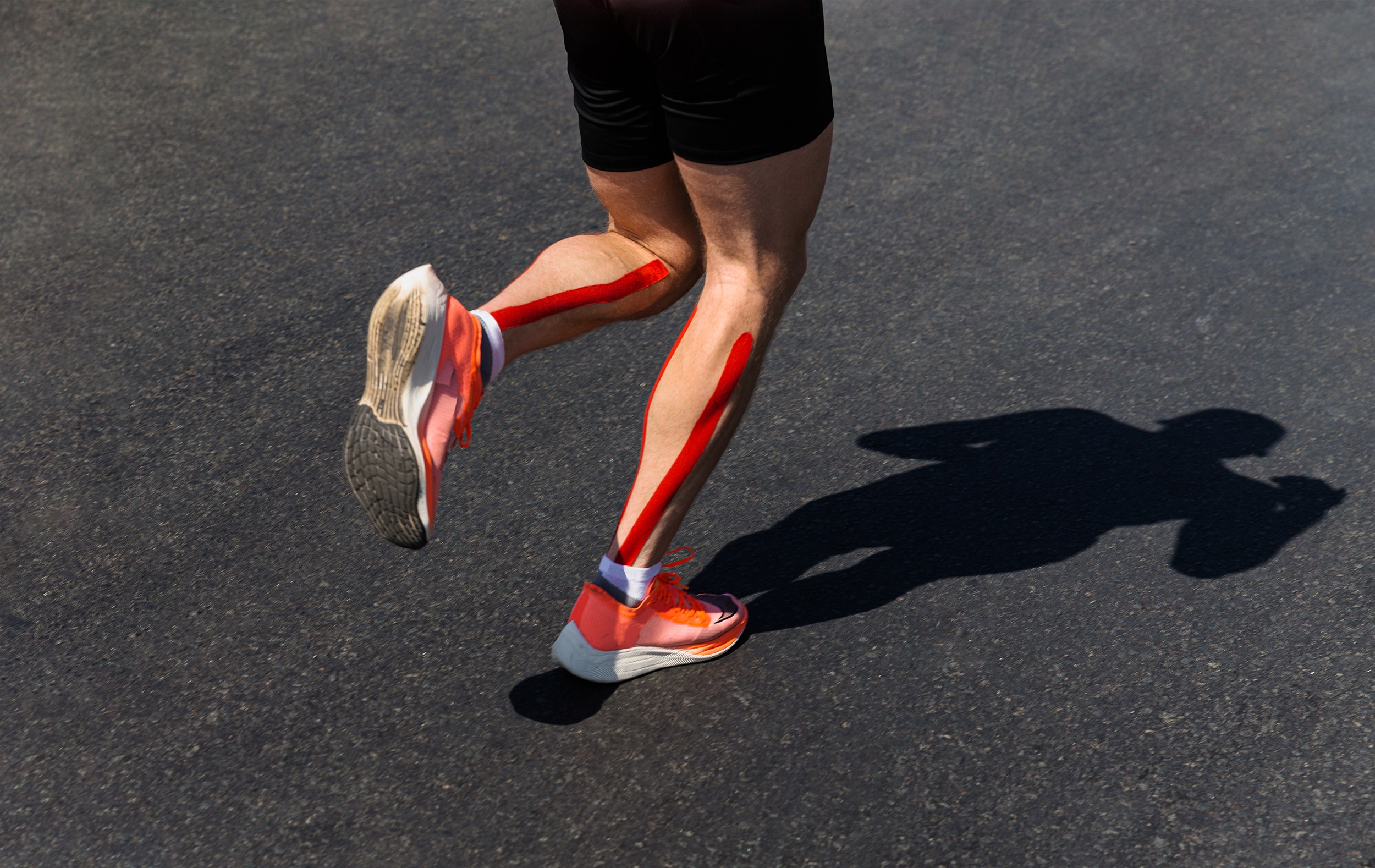
1. Reduce Load on the Tendon
- Stop running, jumping, or sprinting
- Avoid walking barefoot or uphill
- Reduce repetitive stair climbing
2. Manage Pain & Irritation
- Ice for 10–15 minutes, 1–2 times daily
- Avoid strong stretching early on (can worsen symptoms)
- Wear supportive shoes
3. Gentle, Pain-Free Movement
- Ankle mobility within comfort
- Light heel raises only if pain-free
- Avoid sudden, forceful calf stretching
What Is Achilles Tendonitis?
Achilles tendonitis occurs when the tendon becomes overloaded or irritated due to repeated stress.
Common Causes
- Sudden increase in running mileage
- Tight calf muscles
- Poor foot mechanics (flat feet or high arches)
- Unsupportive footwear
- High-intensity sports or jumping
- Prolonged walking on hard surfaces
Types of Achilles Tendonitis
- Mid-portion tendinopathy: Pain along the tendon
- Insertional tendinopathy: Pain at the heel attachment
Common Symptoms
- Pain or stiffness at the back of the heel
- Worse pain with running or jumping
- Morning stiffness that improves with movement
- Tenderness when squeezing the tendon
- Swelling or thickening of the tendon
- Difficulty with push-off during walking or running
Red Flags! Seek Medical Care Immediately
- Sudden sharp pain in the tendon
- A “popping” sensation
- Inability to walk normally
- Severe swelling
- Pain after trauma
- These may indicate a partial or complete Achilles tendon tear.
Self-Check: How Severe Is My Achilles Tendonitis?
Mild
- Stiffness in the morning
- Pain only after running
- Improves with warm-up
Moderate
- Pain during daily activities
- Persistent discomfort with walking
- Reduced running ability
- Requires physiotherapy
Severe
- Pain even at rest
- Difficulty pushing off or climbing stairs
- Visible swelling or thickening
- Requires GP evaluation and possibly imaging
When to See a Doctor in Singapore
While many cases of Achilles tendonitis improve with early care, some conditions may be significantly more serious than they initially appear. Partial tendon tears, full ruptures, insertional injuries, or associated calf muscle tears can present with symptoms similar to routine tendonitis, especially in the early stages.
If you hear a “pop,” are unable to push off the foot, cannot walk normally, or experience sudden sharp pain or swelling, please consult a doctor promptly or visit an Emergency or Urgent Care Department for evaluation. This information is for education and is not a substitute for a professional diagnosis.
Visit a Doctor if:
- Pain lasts more than 2–3 days
- Symptoms interfere with walking or exercise
- Swelling develops around the tendon
- You suspect a tendon tear
- Pain worsens despite rest
In the above instances, it would be highly recommended by doctors to rule out serious tendon or bone injuries through appropriate imaging, such as an ultrasound, X-ray, or MRI, and for the patient to be assessed by an Emergency Physician or Orthopaedic Surgery Specialist before beginning physiotherapy. Early identification of tendon tears is crucial to prevent long-term weakness and ensure safe treatment planning.
GP Diagnosis & Treatment
Our GP will assess your Achilles tendon by checking tenderness, swelling, calf flexibility, and walking pattern.
An X-ray or Ultrasound May Be Needed If:
- Pain is severe or persistent
- A tendon tear is suspected
- Symptoms do not improve with early care
What Our GP Can Provide
- Diagnosis and severity assessment
- Medication for pain or inflammation (if appropriate)
- Advice on activity modification and footwear
- Medical certificate (MC) if rest is required
- Referral for imaging when necessary
- Same-day referral to in-house physiotherapy (If available and deemed suitable)
Physiotherapy for Achilles Tendonitis Recovery
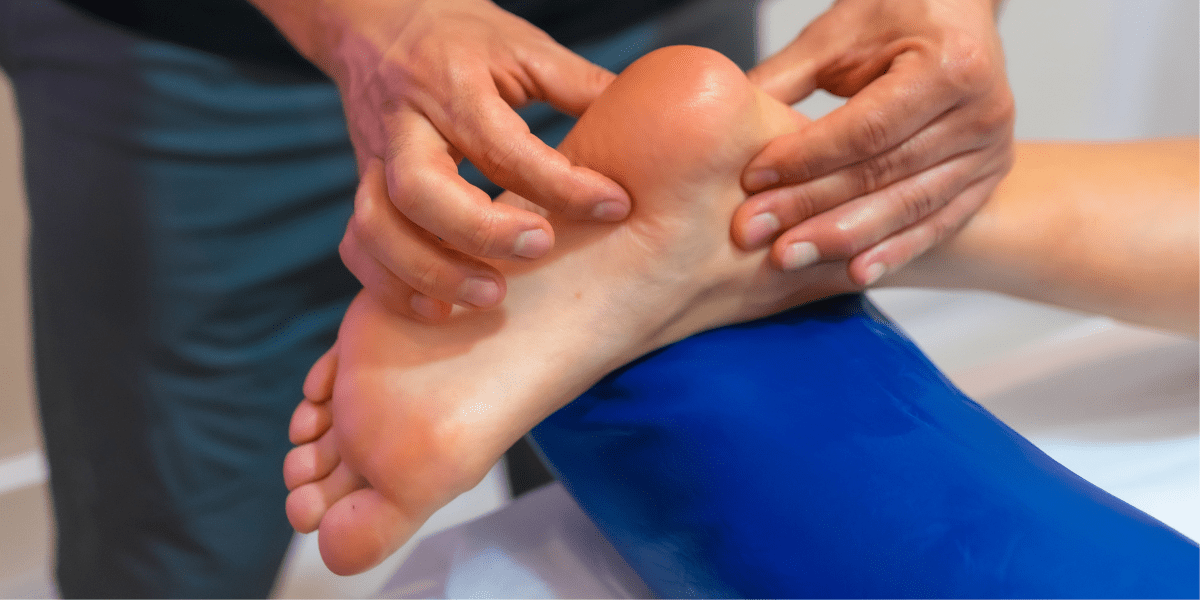
Our in-house physiotherapy can help with tendon healing, strength restoration, and preventing recurrence.
1. Pain & Tension Reduction
- Manual therapy for calves
- Myofascial release
- Gentle joint mobilisation
- Ice or modalities if indicated
2. Mobility & Flexibility Restoration
- Ankle mobility exercises
- Gentle calf stretching (later stages)
- Foot/ankle alignment correction
3. Strengthening & Tendon Loading
- Eccentric heel drop training (gold standard)
- Calf and soleus strengthening
- Foot intrinsic muscle strengthening
- Progressive tendon loading
4. Return-to-Running / Activity Programme
- Gradual impact loading
- Running technique adjustments
- Plyometric and sport-specific training
- Footwear and orthotic advice
Acupuncture as a Complementary Treatment Option
Some patients benefit from acupuncture for Achilles Tendonitis. Acupuncture may help reduce tendon pain, ease calf tightness, and support circulation.
Our clinic offers integrated acupuncture alongside GP assessment and physiotherapy for enhanced comfort during recovery. However, not every patient might be suitable for Acupuncture, and will have to be assessed for suitability by our Doctors first, before proceeding.
Can You Exercise With Achilles Tendonitis?
Yes, with proper modifications.
Our physiotherapists can guide you on:
- Safe strengthening exercises
- Avoiding high-impact activities early on
- When to resume running or sports
- How to progress load safely
Preventing Future Achilles Tendon Problems
- Strengthen calves and foot muscles
- Maintain good ankle mobility
- Wear supportive footwear
- Progress training gradually
- Warm up properly before exercise
- Avoid sudden increases in running intensity
How our integrative care helps
Consult Our Doctors
Achilles tendonitis can interfere with walking, exercise, and daily life. Early assessment and proper rehabilitation are key to preventing chronic pain or tendon tears.
Contact us to arrange a consultation with our doctor.
We’ll help you recover safely and return to comfortable, confident movement.
Finding Us
Holland Village
255 Holland Ave, Singapore 278983
Near MRT Exit B


Mon, Tues, Thurs, Fri:
8.30am - 2.30pm
5.30pm - 10.00pm
Wed:
8.30am - 2.30pm
Sat:
9.00am - 3.00pm
Closed on Sundays and Public Holidays. For the latest updates on our clinic’s opening hours, please check our Google Maps.
** GP registration ends 15 mins before the closing time above, while Physiotherapy & Acupuncture end registration 45 mins before. Please book an appointment in advance to avoid queues and disappointment.
Katong
437 Joo Chiat Road, Singapore 427650
Near Marine Parade MRT
Mon, Tues, Thurs, Fri:
8.30am - 2.30pm
5.30pm - 10.00pm
Wed:
8.30am - 2.30pm
Sat:
9.00am - 3.00pm
Closed on Sundays and Public Holidays. For the latest updates on our clinic’s opening hours, please check our Google Maps.
** GP registration ends 15 mins before the closing time above, while Physiotherapy & Acupuncture end registration 45 mins before. Please book an appointment in advance to avoid queues and disappointment.
