H. Pylori Transmission Explained: How to Protect Your Family
Last updated: 19 Aug 2026

You've just found out you have H. pylori. Your first question is probably "how did I get this?" Your second is probably "did my family give it to me, or did I give it to them?" The worry about transmission, about potentially infecting your partner or your kids, is real. But understanding how H. pylori actually spreads helps you know who should be tested and how to reduce the risk.
Find out if you or your family has H.Pylori infection
Patient-first, Holistic, Dedicated Healthcare
When You Probably Got H. Pylori
Here's something that might surprise you. You likely acquired H. pylori years ago. Not last month when you ate at a particular hawker stall or visited a certain country. Probably when you were a child, possibly before you can even remember. And you've been carrying it ever since, often without realising it was there.
H. pylori is one of the most common bacterial infections in the world. According to a large-scale review published in Gastroenterology, roughly half the global population carries it. Most people acquire it in early childhood or early adulthood, usually from a family member, and they carry it for decades before it causes noticeable symptoms.
This timing matters because it changes how you think about your own infection. You're not dealing with something you caught recently from a contaminated meal. You're dealing with something you've had for a long time, which is only now showing up as a problem because your immune system is finally mounting a response, or because the infection has progressed enough to cause symptoms.
Understanding this helps reduce the anxiety many people feel when they're first diagnosed. You're not suddenly at risk of spreading it everywhere. You've been living with it quietly for years. The infection didn't change. Your awareness of it did.
How H. Pylori Actually Spreads
H. pylori is transmitted through the faecal-oral route. This means the bacterium lives in an infected person's digestive tract and is shed in their stool. If that stool contaminates food, water, or surfaces, and then another person ingests the bacterium, transmission occurs.
This is different from what many people assume. Most people think H. pylori spreads through contaminated food at restaurants, or through water, or through respiratory droplets like a cold. In reality, person-to-person transmission within households is the most common route. And most transmission happens early in life, often between parents and children or between siblings.
The faecal-oral transmission happens because of everyday contact within families. A parent changes a child's nappy and then prepares food without thorough handwashing. Children put contaminated hands in their mouths. Families share eating utensils or food. In some cultures, parents pre-chew food for babies and transfer it directly to the baby's mouth, which is a direct transmission route.
This isn't about poor hygiene or dirty living conditions. It's about the biological reality of how bacteria spread when people live in close contact. Even in the cleanest households with the best hygiene practices, transmission can occur because the bacterium is being shed regularly in stool and can survive in various environments.
Why H. Pylori Spreads More in Some Populations
H. pylori prevalence varies significantly by geography and socioeconomic factors. It's higher in countries and regions with poor water sanitation, crowded living conditions, and less access to clean water. This is why prevalence is higher in parts of Asia, Africa, and Latin America compared to developed Western countries.
In Singapore, you see this reflected in immigrant populations and in older generations who grew up in different circumstances. Prevalence is also slightly higher among people who grew up in crowded housing or with limited access to clean water, even if they now live in cleaner conditions.
This matters because it explains why some families have high rates of H. pylori while others don't. If your parents grew up in environments with poor sanitation and high H. pylori prevalence, the likelihood that you inherited the infection is significantly higher.
The good news is that prevalence has been declining in developed countries for decades, largely because improved sanitation and hygiene have reduced transmission. But the bacteria persists in populations where it's been endemic, and within families where it's already established.
The Routes of H. Pylori Transmission

1. Faecal-Oral Contact (Primary Route)
This is the main way H. pylori spreads. An infected person sheds the bacterium in their stool. If they don't wash their hands thoroughly after using the bathroom, and then touch food, utensils, or other people, transmission can occur. Children are particularly vulnerable because they explore the world with their hands and mouth.
Within families, this route is significant because household members share bathrooms, kitchen spaces, and eating utensils. Even with good personal hygiene, transmission can happen.
2. Saliva (Secondary Route)
H. pylori can be present in saliva, though it's less common than in stool. Transmission through saliva can occur through kissing, sharing toothbrushes, sharing eating utensils, or in traditional practices like pre-chewing food for infants. This is one reason why intrafamilial transmission is so common. Parents naturally kiss their children, share utensils, and engage in the kinds of close contact that could facilitate transmission.
3. Contaminated Water or Food (Rare in Modern Settings)
In areas with poor water sanitation, contaminated water is a transmission route. In areas with poor food safety practices, contaminated food can transmit H. pylori. But in modern Singapore with safe water supply and food safety standards, this route is uncommon. Most transmission happens person-to-person within households, not from restaurants or contaminated water.
If You Have H. Pylori, Who Should Be Tested
Once you know you have H. pylori, the question becomes who else in your life should be tested. The answer is primarily your household members and close family.
Immediate Family (Household Members)
Your spouse or partner should be tested. If you've been sharing a household, eating utensils, and engaging in intimate contact, they have elevated risk.
Your children should be tested, particularly if they're young. Children are more vulnerable to acquiring H. pylori and more likely to develop it into symptomatic disease if they're infected.
Parents and Siblings
If you acquired H. pylori in childhood, one of your parents likely has it. They should know, because they may also be asymptomatic and at risk of developing complications. Treating them prevents transmission to other family members and prevents their own potential disease progression.
Siblings also have elevated risk, particularly if you grew up in the same household.
Extended Family (Lower Priority)
Cousins, aunts, uncles, and more distant relatives have some elevated risk if they spent significant time in your childhood household, but they're lower priority than immediate family.
When Not to Worry About Transmission
Casual contact with coworkers, friends, classmates, or people in public settings carries minimal transmission risk. H. pylori doesn't spread through casual conversation, handshakes, or shared workspaces. It requires faecal-oral transmission or close household contact.
How Family Members Should Be Tested
If you have H. pylori and family members want to know their status, testing is straightforward.
Urea Breath Test is the gold standard for H. pylori detection. The test itself takes 30 to 45 minutes and results are available within 3 to 5 working days. This is the most accurate non-invasive method for confirming H. pylori infection.
Our Doctors can arrange multiple tests during a single family visit, making screening convenient and efficient. For families wanting a comprehensive assessment alongside H. pylori testing, a gut health screening covers multiple health factors.
What Happens If Family Members Test Positive
If your spouse, children, or other family members test positive for H. pylori, they should discuss treatment with our Doctors. Treatment is straightforward and effective. It typically involves a combination of antibiotics and acid-suppressing medication taken over two to three weeks.
The benefit of treating family members isn't just about their personal health, though that matters. It also reduces transmission risk to other family members and to the next generation. If your children have H. pylori and don't get treated, they risk transmitting it to their own children in the future.
Coordinating treatment within families is sometimes recommended so that people aren't reinfecting each other during the treatment period.
Can You Get H. Pylori Again After Treatment
Once treated, H. pylori is cleared from your system. However, reinfection is possible if you're exposed to the bacterium again. This typically happens through ongoing contact with an infected family member who hasn't been treated.
This is one reason why family screening and treatment is worthwhile. If only one family member gets treated but others remain infected, reinfection from the untreated family members is possible.
However, reinfection rates in developed countries with good hygiene are relatively low. Most people who get treated don't get reinfected because they maintain reasonable hygiene practices and their close contacts are either uninfected or also treated.
Preventing H. Pylori Transmission
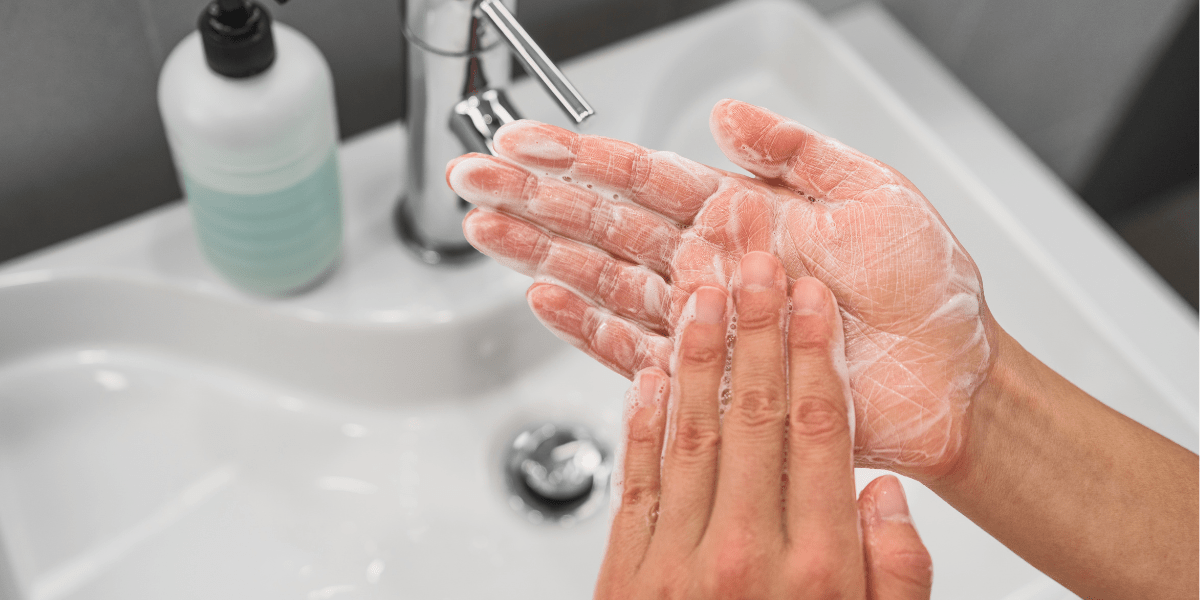
While you can't guarantee prevention once someone has H. pylori, there are practical steps that reduce transmission risk.
Handwashing After Bathroom Use
Thorough handwashing with soap and water after using the bathroom is the single most effective way to reduce fecal-oral transmission. This is particularly important for parents of young children.
Not Sharing Eating Utensils or Toothbrushes
If one family member is infected, avoiding shared utensils and toothbrushes reduces transmission risk, at least until treatment occurs.
Food Preparation Hygiene
The person preparing food should wash their hands thoroughly, particularly after using the bathroom and before handling food.
Clean Water and Safe Food
In developed countries with safe water supply and food safety standards, contamination through water and food is uncommon. But maintaining access to clean water and safe food remains important.
Treatment
The most effective way to reduce transmission risk is treatment of infected individuals. Once treated, they no longer shed the bacterium and cannot transmit it.
Understanding Your H. Pylori Diagnosis in Context
If you've recently been diagnosed with H. pylori, understanding transmission and family history helps contextualise your infection. You likely didn't do anything wrong. You didn't get it from eating at a dirty restaurant or from poor hygiene. You probably acquired it from a family member, years ago, and you've been carrying it quietly until now.
This understanding can reduce shame or anxiety about the infection. It's not a reflection of your cleanliness or your choices. It's a common infection that a significant portion of the population carries.
Take the First Step to H.Pylori Prevention
Understanding H. pylori transmission reframes the infection from something mysterious to something with a clear origin story. If you've been diagnosed, your family members likely have it too, inherited years ago in the same way. This isn't a reason to panic about contagion. It's a reason to consider family screening.
Treatment clears the infection and prevents transmission. Once you know who has it, you can protect them and those around them. Our Doctors can arrange testing and treatment for your family at our clinic. A simple urea breath test takes 30 minutes and gives everyone answers in a few days.
Find out if you or your family has H.Pylori infection
Patient-first, Holistic, Dedicated Healthcare
Medical Disclaimer & Limitation of Liability
The content provided in this post is strictly for informational and educational purposes. Just as we fiercely defend our right to publish general health information, we establish an uncompromising boundary: this material is never a substitute for personalised, professional medical advice, diagnosis, or treatment.
Reading this content does not establish a doctor-patient relationship. You possess the sovereign right and responsibility to manage your own health, which means you must consult your own qualified physician before making any medical decisions based on what you read here. We explicitly disclaim all medicolegal liability for any injury, loss, or risk incurred directly or indirectly from the misinterpretation, misuse, or out-of-context application of our online content. Your health is your responsibility; seek individual professional care.