Stomach Pain When Hungry? When It's Something to Worry About
Last updated: 19 Aug 2026

You know the pattern. By mid-morning, your stomach starts to ache. You grab a biscuit or a kopi, and it settles down. Then it's back again before lunch. And again around 4pm. You've started keeping snacks at your desk just to manage it. You've probably told yourself you just have a fast metabolism or a "sensitive stomach."
But here's the thing: real hunger doesn't hurt.
Hunger feels like an empty tank. It's uncomfortable, maybe a bit distracting, but it's a neutral signal. What we're talking about here is different. A gnawing, burning, or aching sensation that reliably shows up when your stomach is empty and fades when you eat. If that sounds familiar, you're not dealing with a big appetite. You're dealing with a symptom.
Test and Manage Hunger-Related Stomach Pain
Patient-first, Holistic, Dedicated Healthcare
Why Does Your Stomach Hurt When It's Empty?
To understand what's happening, it helps to know a little about how your stomach works.
Your stomach produces acid constantly, but production ramps up when you haven't eaten for a while. Normally, that's not a problem because your stomach lining has a protective mucus barrier that keeps the acid from causing damage.
But when that barrier is compromised, whether through infection, inflammation, or irritation, the acid starts to make direct contact with sensitive tissue. That's what causes the burning or gnawing pain. When you eat, food acts as a buffer between the acid and the lining, which is why the discomfort eases after a meal.
So the relief you feel when you eat isn't your body saying "I needed food." It's your body temporarily shielding an irritated stomach lining from its own acid. That's an important distinction, and it's one most people miss.
The Most Common Causes
Not all empty-stomach pain points to the same thing, but there are a handful of causes that account for the vast majority of cases.
H. Pylori Infection
Helicobacter pylori is a bacterium that infects the stomach lining, and it is the single most common cause of this type of pain. According to a large-scale review published in Gastroenterology, roughly half the global population carries H. pylori, with the majority unaware they're infected.
What makes H. pylori tricky is that it often doesn't cause severe or obvious symptoms. There's no dramatic moment where you think "something is really wrong." Instead, it produces a low-level, persistent irritation that shows up as that familiar gnawing discomfort when your stomach is empty. Maybe some mild bloating, a bit of indigestion, or feeling full after eating a small amount.
Many people live with this for years. They adjust their eating habits around it, keep antacids nearby, and never think to get tested. But H. pylori doesn't go away on its own, and over time it's a recognised risk factor for gastritis, peptic ulcers, and gastric cancer.
The good news is that detection is simple. A urea breath test takes about 30 minutes, is completely non-invasive, and tells you definitively whether you have an active infection. Treatment is usually a short course of antibiotics.
Gastritis
Gastritis is inflammation of the stomach lining. It can be caused by H. pylori (which is why the two often go hand in hand), but it can also result from long-term use of anti-inflammatory painkillers (like ibuprofen), excessive alcohol, or chronic stress.
The symptoms overlap heavily with H. pylori: burning discomfort on an empty stomach, bloating, nausea, and sometimes acid reflux. The key difference is that gastritis describes the inflammation itself, while H. pylori is one of its most common triggers. Testing for H. pylori helps our Doctors determine whether the gastritis is infection-driven, which changes how it's treated.
Excess Gastric Acid
Some people naturally produce more stomach acid than average. This can be influenced by diet, stress, caffeine intake, and even genetics. When acid levels are higher than they should be, the stomach lining takes more of a beating during fasting periods, leading to that familiar empty-stomach discomfort.
This is particularly relevant in Singapore, where multiple cups of kopi or teh a day are the norm, meals tend to be rich and flavourful, and the work culture means many people eat irregularly or skip meals altogether. These habits don't cause the problem on their own, but they can amplify an existing issue.
Peptic Ulcers
Peptic ulcers are open sores that develop on the inner lining of the stomach or the upper part of the small intestine (duodenum). The pain-when-hungry pattern is actually so closely linked to duodenal ulcers that doctors have historically referred to it as "hunger pain" as a clinical shorthand.
Early-stage ulcers often don't feel dramatically different from gastritis. That same gnawing discomfort, that same temporary relief from eating. Many people with small ulcers have no idea they have one. The concern is that without treatment, ulcers can deepen, bleed, or in rare cases perforate the stomach wall, which is a medical emergency.
If our Doctors suspect an ulcer based on your symptoms and test results, they may refer you to a gastroenterologist for further investigation such as a gastroscopy.
What Most People Do Wrong
Here's the pattern we see over and over again at our clinic. Someone develops this kind of stomach pain. They start managing it with frequent snacking, antacids, and maybe a glass of milk before bed. These things help, and because they help, the person concludes the problem isn't serious.
Months pass. Sometimes years. The snacking becomes a habit. Some patients gain weight because they're eating constantly to keep the pain at bay. Others become dependent on antacids without realising they're only neutralising acid temporarily while doing absolutely nothing about the inflammation or infection underneath.
And milk? It's one of the oldest home remedies for stomach pain, but it's actually counterproductive. Milk does provide initial relief because it coats the stomach lining briefly. But it also stimulates further acid production as it's digested, creating a rebound effect that can make the cycle worse over time.
The problem isn't that these coping strategies don't work in the moment. They do. The problem is that they convince you there's nothing worth investigating, when in fact the most common cause of this type of pain is a bacterial infection that clears up in about two weeks with the right treatment.
How to Tell the Difference Between Hunger and a Stomach Problem
This is a question we hear a lot, and it's a fair one. After all, both hunger and gastric irritation can cause discomfort when your stomach is empty. Here's how to tell them apart.
Normal hunger comes on gradually, doesn't cause burning or sharp pain, responds to any food, and doesn't follow a rigid schedule. You feel hungry, you eat, you feel satisfied, and you move on.
Gastric pain tends to follow a predictable pattern. It shows up at roughly the same times each day (often mid-morning, mid-afternoon, or late at night), feels more like a burning, gnawing, or aching sensation, may come with bloating or nausea, and often responds specifically to starchy or bland foods that buffer acid well. Crucially, it tends to return like clockwork even when you've eaten adequately.
If yours sounds more like the second pattern, it's worth investigating. You don't need to wait until it becomes severe.
When to See a Doctor and get tested
You should book a consultation if you notice any of the following:
- Empty-stomach pain that follows a consistent, predictable pattern
- Burning or gnawing discomfort that has persisted for more than two weeks
- Pain that regularly wakes you up at night
- Bloating, nausea, or acid reflux alongside the pain
- Loss of appetite or unintentional weight loss
- Fatigue or low energy that doesn't improve with rest
- Blood in your stool, or stools that look unusually dark or tarry
- Symptoms that haven't improved despite dietary changes and over-the-counter antacids
Most of these scenarios are straightforward to investigate with non-invasive tests at a GP clinic. You don't need to wait for things to escalate, and in most cases you don't need a specialist referral to get started.
What Tests Can Help
If you come to our clinic with this type of pain, here's what our Doctors might recommend depending on your symptoms and medical history.
- Urea Breath Test is typically the first test for this symptom pattern. It detects active H. pylori infection through a simple breath sample, takes 30-45 minutes, with results available with 3-5 working days.
- Stool Occult Blood Test checks for hidden blood in your stool that isn't visible to the naked eye. This is particularly relevant if our Doctors want to rule out bleeding from ulcers, polyps, or other gastrointestinal sources.
- Full Blood Count can detect anaemia, which sometimes develops when chronic gastric bleeding goes unnoticed. If you've been feeling unusually tired alongside your stomach symptoms, this helps connect the dots.
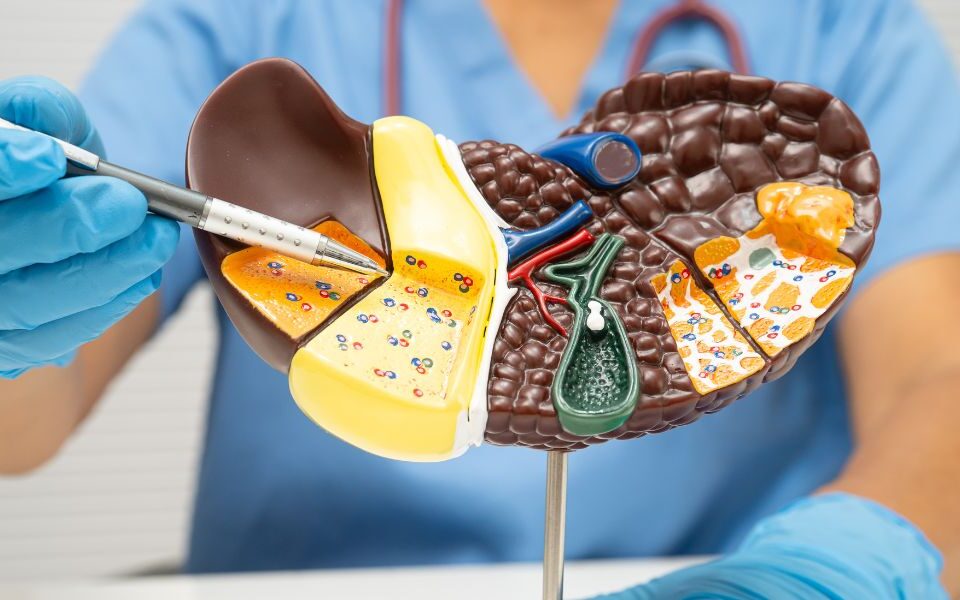
- Liver Function Test may be recommended if our Doctors want to rule out other upper abdominal causes, especially if your pain doesn't fit the typical acid-related pattern.
- Iron Deficiency Test and Ferritin Level Test are useful add-ons if there's any concern about chronic blood loss or nutrient malabsorption affecting your energy levels.
For patients presenting with multiple gut-related symptoms, a comprehensive gut health screening allows our Doctors to assess several factors in a single visit rather than testing one thing at a time.
What Happens After Testing
If H. pylori is confirmed, treatment is well-established and effective. It typically involves a combination of antibiotics and acid-suppressing medication taken over one to two weeks. Most patients notice a significant improvement in symptoms within days of starting treatment, and a follow-up test can confirm the infection has been cleared.
If the cause is gastritis or excess acid without H. pylori, our Doctors will work with you on a management plan that may include medication to reduce acid production, dietary adjustments, and addressing contributing factors like stress, caffeine intake, or painkiller use.
If there's any concern about ulcers or more complex gastric conditions, we'll arrange a referral to a trusted gastroenterologist for further investigation such as a gastroscopy. We coordinate the referral and follow up with you throughout the process.
Manage hunger-related stomach pain
Stomach pain when hungry is one of the most common symptoms we see at our clinic, and one of the most straightforward to investigate. If this pattern sounds familiar, our Doctors can help you get to the bottom of it with simple, non-invasive tests. No guesswork, no unnecessary waiting.
But beyond the practicalities, there's something worth sitting with. Real hunger feels like an empty tank. It's uncomfortable but neutral. Pain that shows up on cue, every time your stomach is empty, is your body asking you to pay attention. The answer is usually simpler than you'd expect. And it starts with a conversation, not another snack.
Test and Manage Hunger-Related Stomach Pain
Patient-first, Holistic, Dedicated Healthcare
Medical Disclaimer & Limitation of Liability
The content provided in this post is strictly for informational and educational purposes. Just as we fiercely defend our right to publish general health information, we establish an uncompromising boundary: this material is never a substitute for personalised, professional medical advice, diagnosis, or treatment.
Reading this content does not establish a doctor-patient relationship. You possess the sovereign right and responsibility to manage your own health, which means you must consult your own qualified physician before making any medical decisions based on what you read here. We explicitly disclaim all medicolegal liability for any injury, loss, or risk incurred directly or indirectly from the misinterpretation, misuse, or out-of-context application of our online content. Your health is your responsibility; seek individual professional care.