The Bubble Tea Tax: What 3 Cups a Week Does to Your Blood Sugar Over Time
Last updated: 25 Aug 2026
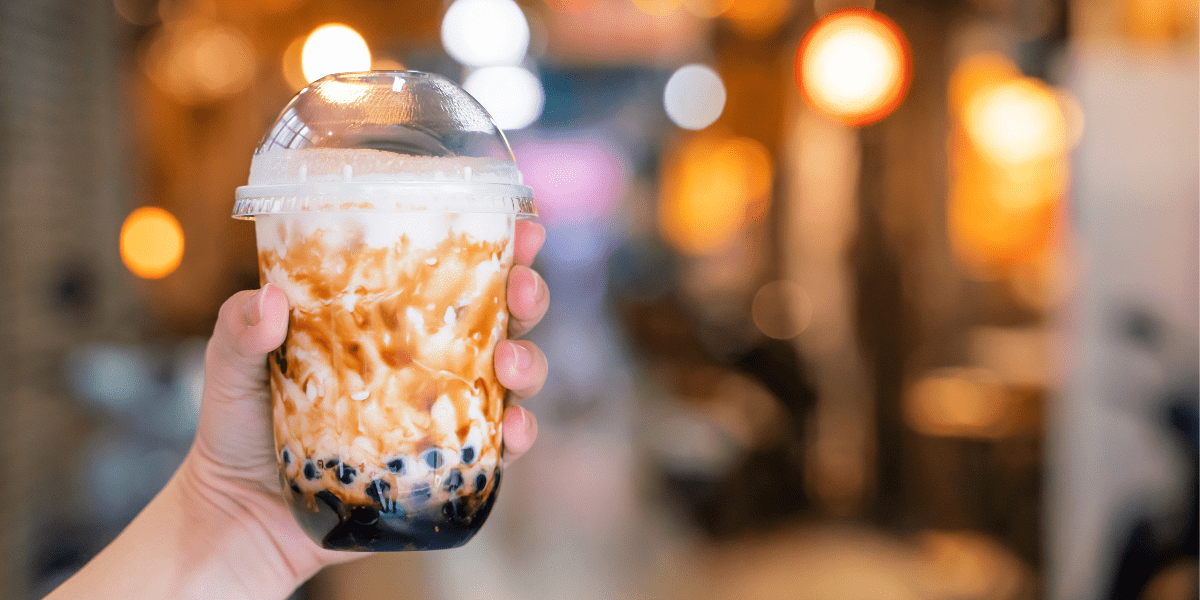
Nobody thinks of bubble tea as dangerous. It is a treat. A reward. A mid-afternoon pick-me-up. At worst, you assume it is "a bit unhealthy" in the way that any sweet drink is, and then you order one anyway because the queue at the bubble tea shop is already ten people deep and you have been thinking about brown sugar boba since lunch.
But bubble tea is not just "a bit unhealthy." It is, from a metabolic perspective, one of the most concentrated sugar deliveries available in Singapore's food landscape. And if three cups a week sounds moderate, the cumulative numbers tell a very different story.
Comprehensive Health Screening at Regis Medical
Patient-first, Holistic, Dedicated Healthcare
What Is Actually in Your Cup
Let us start with the numbers. According to research commissioned by Mount Alvernia Hospital and data from the Health Promotion Board:
A medium 500ml bubble milk tea with pearls and full sugar contains approximately 8 teaspoons of sugar and 335 calories. A large 700ml serving contains approximately 11 teaspoons of sugar and 469 calories. A brown sugar boba milk tea can contain up to 92 grams of sugar in a single cup, roughly three times the sugar in a 320ml can of Coca-Cola.
The HPB recommends a maximum of 8 to 11 teaspoons of added sugar per day for adults. A single standard bubble tea at full sugar can consume your entire day's allowance in one sitting. A brown sugar boba exceeds it.
The tapioca pearls themselves are part of the problem. They are made from tapioca starch, which is a refined carbohydrate with virtually no nutritional value. A standard serving of pearls contributes roughly 100 to 150 additional calories and is often soaked in sugar syrup to prevent sticking and add sweetness. The pearls alone, before you count the tea, the creamer, or the syrup, already represent a significant glucose load.
Non-dairy creamer, used in most bubble tea formulations, adds trans fat in the form of hydrogenated palm oil, which is strongly correlated with increased cardiovascular risk. So you are consuming a drink that simultaneously spikes your blood sugar, delivers excessive calories, and introduces trans fats. This is not "a bit unhealthy." This is metabolically hostile.
The Three-Cups-a-Week Maths
Most regular bubble tea drinkers in Singapore do not drink one cup a month as an occasional indulgence. They drink two to four cups a week. Let us be conservative and work with three.
Three cups of medium bubble milk tea per week at full sugar:
- Weekly sugar from bubble tea alone: 24 teaspoons (approximately 96 grams)
- Weekly calories from bubble tea alone: approximately 1,005 calories
- Monthly sugar: approximately 384 grams (nearly 400 grams of pure added sugar)
- Annual sugar from bubble tea alone: approximately 4,992 grams, or just under 5 kilograms of sugar
If you drink brown sugar boba three times a week instead of standard milk tea, the numbers are worse. At 92 grams of sugar per cup, three cups delivers 276 grams of sugar per week, or approximately 14.4 kilograms of sugar per year, from a single beverage habit.
To put 14.4 kilograms of sugar in perspective: that is the weight of roughly 48 standard bags of sugar from the supermarket. Piled on your kitchen counter, it would reach your waist. And that is just from bubble tea, before counting anything else you eat or drink.
What This Does to Your Blood Sugar
Every time you consume a high-sugar liquid, your blood glucose spikes rapidly. Liquid sugar is absorbed faster than sugar from solid food because there is no fibre, fat, or protein to slow digestion. The glucose hits your bloodstream within minutes.
Your pancreas responds by releasing a surge of insulin to bring blood sugar back down. In the short term, this works. Blood sugar rises, insulin brings it down, and equilibrium is restored. You might feel a brief energy high followed by a crash, but no lasting harm from a single cup.
The problem is repetition. Three times a week, every week, for months and years, your pancreas is being asked to manage these insulin surges on top of everything else you eat. Over time, your cells begin to respond less efficiently to insulin. This is insulin resistance, the precursor to prediabetes and Type 2 diabetes.
Insulin resistance does not develop from a single bad meal. It develops from cumulative, repeated glucose overload over months and years. A regular bubble tea habit is exactly the kind of sustained, high-frequency sugar exposure that drives this process. And because bubble tea is a drink rather than a meal, it does not trigger the same satiety signals. You consume it alongside food, not instead of it, meaning the glucose load is additive to your meals.
For anyone already in the prediabetic range or managing metabolic syndrome, three bubble teas a week is not a treat. It is accelerant.
The "Less Sugar" Illusion
Many bubble tea drinkers believe they have solved the problem by ordering "less sugar" or "50% sugar." This is better than full sugar, but it is not the fix people assume it is.
A Temasek Polytechnic study commissioned by Channel NewsAsia found that even at reduced sugar levels, bubble tea still contains significant sugar from the tea base, the syrup in the pearls, the non-dairy creamer, and any flavoured syrups or toppings. Choosing 50% sugar reduces the added syrup but does not eliminate the sugar inherent in the other components. An NUH Senior Consultant noted that the sugar content in bubble tea can worsen diabetes and cause kidney damage, and this risk is not confined to older adults.
Toppings compound the issue further. Brown sugar pearls, honey boba, pudding, milk foam, and red bean all add additional calories and sugar. Mount Alvernia Hospital's analysis found that milk foam alone adds 203 calories per serving. Ordering "less sugar" while adding brown sugar pearls and milk foam is a contradiction that many drinkers do not recognise.
The lowest-impact bubble tea order is a plain tea base (green or black tea without milk), no sugar, with a low-calorie topping like aloe vera or plain konjac jelly. But this is not what most people order. Most people order milk tea with pearls, and most choose sugar levels that are still metabolically significant.
The Long-Term Cascade
The metabolic consequences of sustained high-sugar intake extend well beyond blood sugar.
- Weight gain - An extra 1,005 calories per week from bubble tea equates to approximately 52,000 excess calories per year. If these calories are not offset by additional physical activity, this translates to roughly 6 to 7 kilograms of fat gain per year. Over three years, that is 18 to 21 kilograms of weight gain from a single beverage habit.
- Fatty liver - Excess fructose, which is a major component of the syrups used in bubble tea, is processed by the liver and converted to fat. Regular high-fructose consumption is a primary driver of non-alcoholic fatty liver disease (NAFLD), which is increasingly common in Singapore.
- Elevated triglycerides - Fructose consumption raises triglyceride levels in the blood, contributing to metabolic syndrome and cardiovascular risk.
- Dental damage - The combination of sugar and the acidic tea base accelerates tooth decay, particularly in younger drinkers.
- Kidney risk - As NUH Senior Consultant Dr Martin Lee noted, the sugar in bubble tea can worsen diabetes, which is one of the leading causes of kidney failure in Singapore.
What to Do With This Information
This is not a call to never drink bubble tea again. It is a call to see it clearly. Bubble tea is a dessert. It is not a beverage. It should be treated with the same frequency and intentionality you would apply to eating cake, not as a casual twice-weekly habit.
If you currently drink bubble tea three or more times a week, reducing to once a week or once a fortnight is one of the simplest metabolic improvements you can make. The cumulative sugar, calorie, and insulin reduction is substantial.
If you choose to drink it, opt for the lowest sugar level you can tolerate, skip the syrupy toppings, choose a smaller size, and be aware that it is not a neutral caloric event. It is a significant glucose load.
If you have not had your blood sugar checked recently, a diabetes screening test tells you where you stand. If you are curious about what a single cup of bubble tea actually does to your glucose, continuous glucose monitoring will show you in real time. The data is often the most effective motivator for change.
Your bubble tea habit may feel harmless. The maths says otherwise.
Comprehensive Health Screening at Regis Medical
Patient-first, Holistic, Dedicated Healthcare
Medical Disclaimer & Limitation of Liability
The content provided in this post is strictly for informational and educational purposes. Just as we fiercely defend our right to publish general health information, we establish an uncompromising boundary: this material is never a substitute for personalised, professional medical advice, diagnosis, or treatment.
Reading this content does not establish a doctor-patient relationship. You possess the sovereign right and responsibility to manage your own health, which means you must consult your own qualified physician before making any medical decisions based on what you read here. We explicitly disclaim all medicolegal liability for any injury, loss, or risk incurred directly or indirectly from the misinterpretation, misuse, or out-of-context application of our online content. Your health is your responsibility; seek individual professional care.