
Golfer’s Elbow Treatment and Rehabilitation
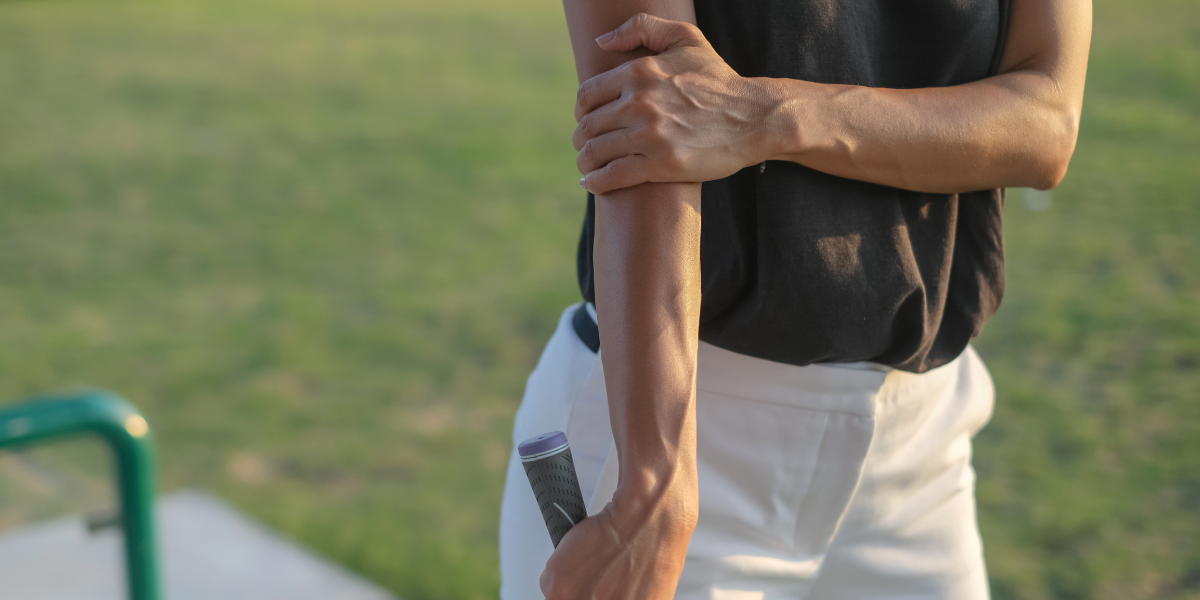
Golfer’s elbow, medically known as medial epicondylitis, is a common cause of inner elbow pain in Singapore. Despite the name, you don’t need to play golf to develop it. This condition occurs when the tendons that control wrist flexion and gripping become irritated from overuse or repetitive strain.
It frequently affects individuals who lift weights, play racket sports, carry heavy bags, perform manual work, or spend long hours typing. Without proper management, symptoms may persist for weeks and affect daily activities such as gripping, lifting, and carrying.
If you develop pain on the inside of your elbow, reduce gripping activities, avoid lifting heavy loads, and apply ice for 10–15 minutes. Seek medical attention if the pain worsens, interferes with daily tasks, or persists despite rest. Early diagnosis and proper rehabilitation prevent chronic tendon irritation.
If you're unsure whether your elbow pain is due to golfer’s elbow, our GP and physiotherapy team can assess the injury and guide you through a safe, structured recovery plan.
Disclaimer:
The following page is not meant as a replacement for a physical consult and examination with our Doctors and is meant as educational information and general guiding principles for patients. Each patient should be managed according to their unique condition, and this page is also not meant as a guarantee for the flow of services that patients will receive at Regis Medical. For example, a patient who presents with signs of a possible fracture, complete tendon tear, or significant elbow instability may require further assessment at separate locations first, before undergoing physiotherapy safely.
What to Do When Golfer’s Elbow Pain Starts
1. Reduce Strain on the Elbow
- Avoid gripping or lifting heavy objects
- Pause gym activities like curls or pull-ups
- Modify desk setup to reduce wrist bending
2. Manage Pain & Inflammation
- Apply ice for 10–15 minutes
- Avoid deep, forceful massage on the irritated tendon
- Use a counterforce elbow strap if recommended
3. Gentle, Pain-Free Movement
- Light wrist mobility
- Gentle stretching of the forearm muscles
- Keep the elbow moving within comfort
What Is Golfer’s Elbow?
Golfer’s elbow occurs when the flexor tendons on the inside of the elbow become irritated due to repetitive or excessive strain.
Common Causes
- Repetitive gripping (sports, lifting, tools)
- Weight training (biceps curls, deadlifts)
- Racket sports
- Prolonged typing with poor wrist posture
- Carrying heavy bags
Structures Involved
- Flexor-pronator muscle group
- Medial epicondyle (inner elbow bone)
- Tendon attachment sites
Common Symptoms
- Pain on the inner side of the elbow
- Discomfort when gripping or lifting
- Pain during wrist flexion (bending the wrist forward)
- Stiffness in the morning or after activity
- Weak grip strength
- Tenderness when pressing the inner elbow
Red Flags! Seek Medical Care Immediately
- Sharp pain after a sudden force
- Numbness or tingling in the ring or little finger
- Significant weakness in grip
- Swelling or bruising around the elbow
- Pain that worsens rapidly despite rest
Self-Check: How Severe Is My Golfer’s Elbow?
Mild
- Pain only with certain movements
- No weakness
- Improves with rest
Moderate
- Pain with gripping or lifting
- Weakness in wrist flexion
- Affects daily tasks
- Requires physiotherapy
Severe
- Pain at rest
- Difficulty lifting light objects
- Persistent symptoms for weeks
- Requires GP assessment and possibly imaging
When to See a Doctor in Singapore
While many cases of golfer’s elbow (medial epicondylitis) improve with early care, some conditions may be more serious than they initially appear. Tendon tears, ulnar nerve irritation, ligamentous injuries, joint arthritis, or even referred pain from the neck can present with symptoms similar to golfer’s elbow.
If you experience severe pain, numbness or tingling in the fingers, noticeable weakness, swelling, bruising, or symptoms that worsen despite rest, please consult a doctor promptly or visit an Emergency or Urgent Care Department for evaluation. This information is for education and is not a substitute for a professional diagnosis.
Visit a Doctor if:
- Pain lasts more than 2–3 days
- You struggle with gripping or carrying items
- Swelling or numbness develops
- Pain persists despite rest and activity modification
- You are unsure whether it’s golfer's elbow or another elbow condition
In the above instances, it would be highly recommended by doctors to rule out more serious elbow or forearm injuries through appropriate imaging, such as an X-ray, ultrasound, or MRI, and for the patient to be assessed by an Emergency Physician or Orthopaedic Surgery Specialist before commencing physiotherapy. Early identification of structural injuries is essential to ensure safe and effective treatment.
GP Diagnosis & Treatment
Our GP will evaluate your elbow, wrist, and forearm movement to determine the severity of your tendon irritation.
An X-ray or Ultrasound May Be Needed If:
- Pain persists despite early care
- Diagnosis is unclear
- There is significant weakness
- Another condition (e.g., nerve entrapment) is suspected
What Our GP Can Provide
- Dignosis
- Anti-inflammatory or pain medication (if appropriate)
- Advice on activity modification and bracing
- Medical certificate (MC) for rest if needed
- Referral for imaging when necessary
- Same-day referral to in-house physiotherapy (If available and deemed suitable)
Physiotherapy for Golfer’s Elbow Recovery
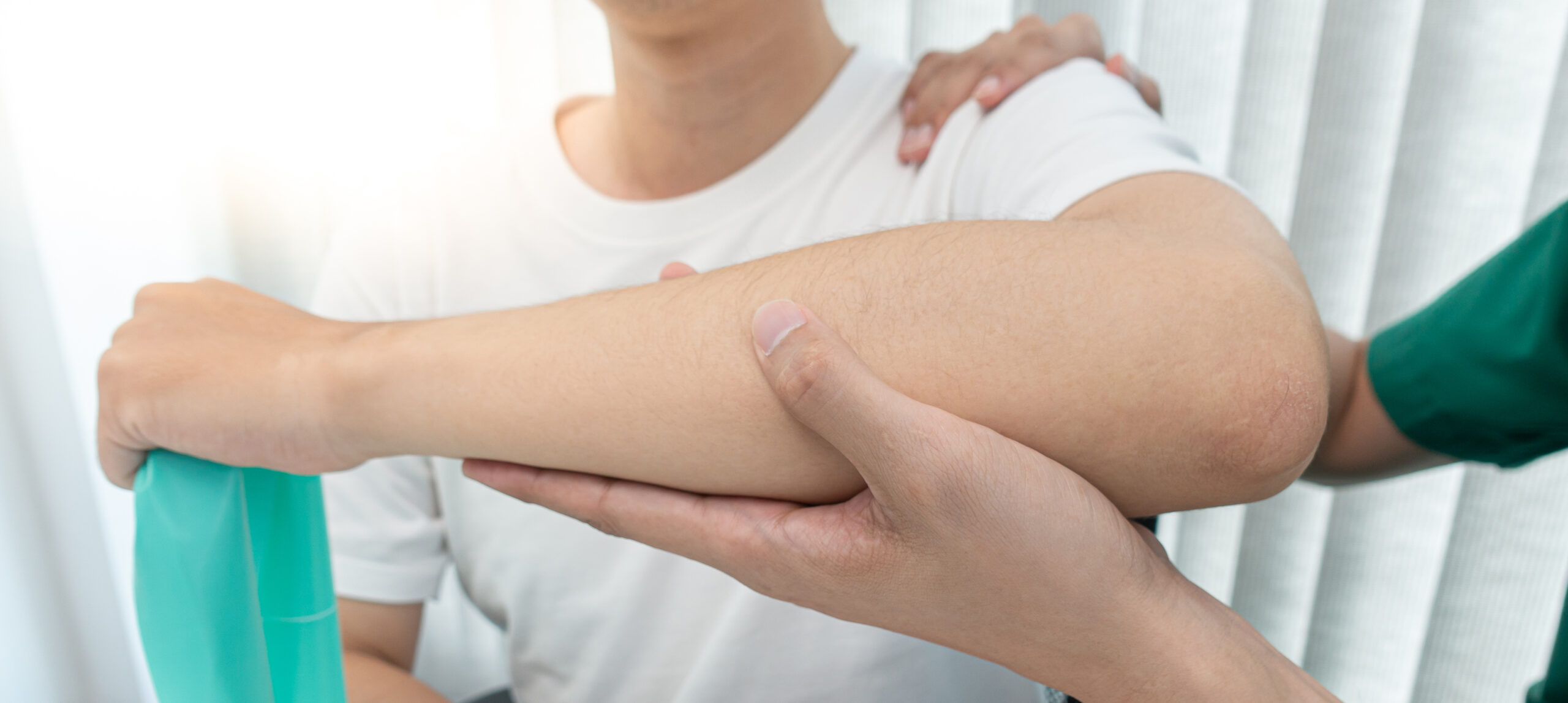
Our in-house physiotherapy can help reduce tendon irritation, restore strength, and prevent recurrence.
1. Pain & Inflammation Reduction
- Manual therapy
- Soft tissue release
- Ice or other modalities if indicated
- Taping or bracing for support
2. Mobility & Tendon Gliding
- Forearm stretching
- Wrist flexor/extensor mobility
- Tendon gliding exercises
3. Strengthening & Tendon Loading
- Eccentric strengthening (gold standard for tendon rehab)
- Grip and forearm strengthening
- Progressive wrist and elbow stabilisation
- Functional movement retraining
4. Return-to-Sport / Activity Programme
- Gradual loading progression
- Gym technique correction
- Sport-specific conditioning
- Prevention strategies for recurrence
Acupuncture as a Complementary Treatment Option
Some patients benefit from acupuncture for Golfer's Elbow. Acupuncture may help reduce elbow pain, improve circulation, and ease muscle tension.
Our clinic offers in-house acupuncture integrated with GP assessment and physiotherapy to support a smooth and comfortable recovery. However, not every patient might be suitable for Acupuncture, and will have to be assessed for suitability by our Doctors first, before proceeding.
Can You Exercise With Golfer’s Elbow?
Yes, with proper modifications.
Our physiotherapists can guide you on:
- Alternative exercises to avoid flare-ups
- Correct lifting and gripping techniques
- Safe strengthening progressions
- When to return to gym or sports
Preventing Golfer’s Elbow
- Strengthen forearm muscles
- Avoid excessive gripping
- Ensure proper lifting form
- Improve posture during computer work
- Warm up before sports
- Gradually increase training load
How our integrative care helps
Consult Our Doctors
Golfer’s elbow can affect daily tasks, gym training, and work function, but early assessment and proper rehabilitation lead to excellent recovery.
Contact us to arrange a consultation with our doctor.
We’ll help you recover safely and return to comfortable movement.
Finding Us
Holland Village
255 Holland Ave, Singapore 278983
Near MRT Exit B


Mon, Tues, Thurs, Fri:
8.30am - 2.30pm
5.30pm - 10.00pm
Wed:
8.30am - 2.30pm
Sat:
9.00am - 3.00pm
Closed on Sundays and Public Holidays. For the latest updates on our clinic’s opening hours, please check our Google Maps.
** GP registration ends 15 mins before the closing time above, while Physiotherapy & Acupuncture end registration 45 mins before. Please book an appointment in advance to avoid queues and disappointment.
Katong
437 Joo Chiat Road, Singapore 427650
Near Marine Parade MRT
Mon, Tues, Thurs, Fri:
8.30am - 2.30pm
5.30pm - 10.00pm
Wed:
8.30am - 2.30pm
Sat:
9.00am - 3.00pm
Closed on Sundays and Public Holidays. For the latest updates on our clinic’s opening hours, please check our Google Maps.
** GP registration ends 15 mins before the closing time above, while Physiotherapy & Acupuncture end registration 45 mins before. Please book an appointment in advance to avoid queues and disappointment.
