HPV Vaccine for Men in Singapore: Why It Matters for Your Health and Your Partner's
Last updated: 27 Aug 2026
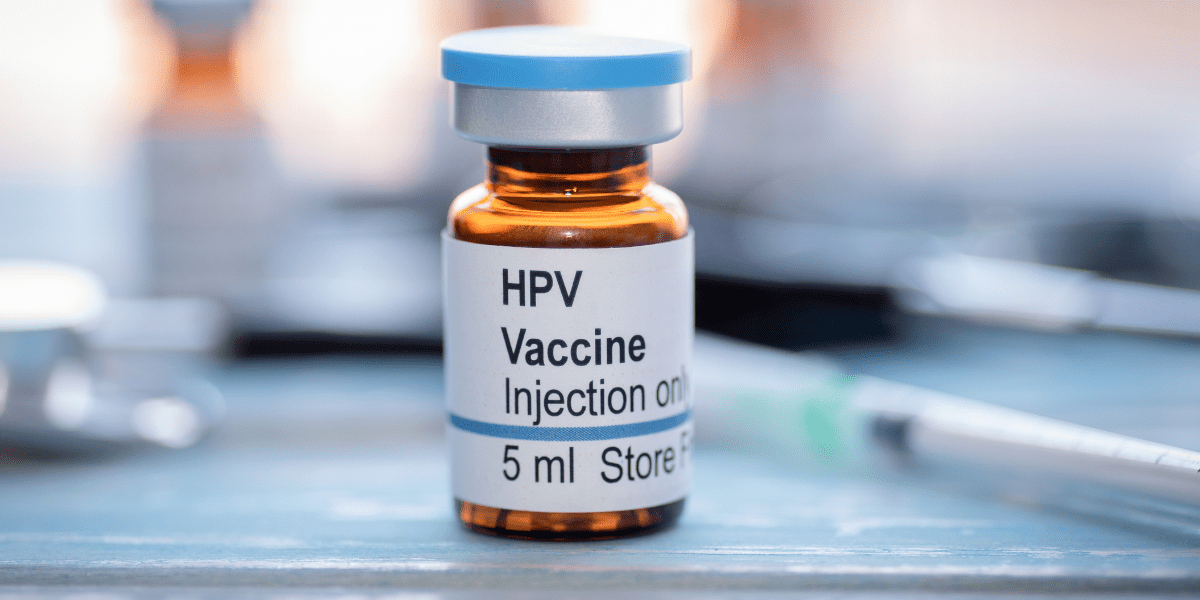
Most men have never considered getting the HPV vaccine. It's marketed almost exclusively to women for cervical cancer prevention. But HPV causes cancers in men too. Oropharyngeal (throat) cancer, penile cancer, and anal cancer are all linked to HPV infection. In fact, HPV-related throat cancer in men is now increasing faster than cervical cancer in women in several developed countries. And unlike women, men have no routine screening test for HPV. Vaccination is the primary prevention strategy.
Protect yourself with HPV vaccine
Patient-first, Holistic, Dedicated Healthcare
What Is HPV and Why Should Men Care
Human papillomavirus (HPV) is the most common sexually transmitted infection worldwide. There are over 200 HPV types, but a smaller number of high-risk strains cause the majority of HPV-related cancers and genital warts.
Most HPV infections clear on their own within one to two years without causing problems. But some infections persist, and persistent infection with high-risk HPV strains is what leads to cancer.
In women, this connection is well known. Persistent HPV infection causes cervical cancer, which is why HPV screening and pap smears exist as routine screening tools.
In men, the connection is less publicised but equally real. HPV causes cancers in men through the same mechanism: persistent infection in vulnerable tissues leading to cellular changes and eventually malignancy. The difference is that there's no equivalent screening programme for men. No routine test detects HPV in men before it causes problems. This makes vaccination the only proactive protection available.
HPV-Related Cancers in Men
HPV doesn't just cause genital warts in men. It causes cancers. Understanding which cancers are linked to HPV helps explain why vaccination matters.
Oropharyngeal (Throat) Cancer
This is the HPV cancer most men don't know about, and it's the one increasing most rapidly. HPV-related oropharyngeal cancer affects the base of the tongue, tonsils, and back of the throat. It's caused primarily by HPV type 16, one of the strains covered by the Gardasil 9 vaccine.
HPV-related oropharyngeal cancer has been rising steadily in men over the past two decades. In several developed countries including the United States, HPV-related throat cancer in men now outnumbers cervical cancer in women. This shift has happened quietly, with minimal public awareness.
Symptoms of HPV-related throat cancer include persistent sore throat, difficulty swallowing, ear pain on one side, a lump in the neck, or a feeling of something stuck in the throat. These symptoms are often vague, which means diagnosis is frequently delayed.
Penile Cancer
HPV is responsible for approximately 50% of penile cancers. While penile cancer is relatively rare overall, it's a serious diagnosis when it occurs. HPV types 16 and 18, both covered by Gardasil 9, are the primary strains involved.
Anal Cancer
HPV causes the majority of anal cancers in both men and women. Men who have sex with men face particularly elevated risk, but heterosexual men can also develop HPV-related anal cancer. HPV types 16 and 18 are again the primary strains.
Genital Warts
While not cancer, genital warts are caused by HPV types 6 and 11. They're common, distressing, and can recur even after treatment. Both strains are covered by Gardasil 9. Vaccination prevents genital warts entirely in most cases.
Why There's No HPV Screening Test for Men
Women have established HPV screening tools: pap smears detect cervical cell changes, and HPV DNA tests detect the virus directly. These screening programmes have dramatically reduced cervical cancer deaths.
For men, no equivalent screening test exists. There's no approved test that routinely screens men for HPV infection. This isn't because the technology doesn't exist. It's because HPV in men is harder to detect reliably. The virus can infect multiple sites (throat, genitals, anus), and there's no single test that covers all potential infection sites effectively.
This screening gap means HPV in men is typically discovered only when it causes visible symptoms (genital warts) or when cancer is diagnosed. By that point, prevention is no longer an option.
This is precisely why vaccination matters more for men than many realise. Without screening, vaccination is the only proactive way to prevent HPV-related cancers in men. You can't detect it early. But you can prevent it entirely.
How HPV Spreads
HPV spreads through intimate skin-to-skin contact, primarily during sexual activity. This includes vaginal, anal, and oral sex. It can also spread through non-penetrative genital contact.
Several important facts about HPV transmission that men should understand:
- HPV is extremely common. Most sexually active adults will contract at least one HPV strain during their lifetime. This isn't a reflection of promiscuity. It's a reflection of how easily the virus transmits.
- Condoms reduce but don't eliminate HPV transmission. Because HPV spreads through skin-to-skin contact, not just through bodily fluids, condoms don't cover all potentially infected skin. They reduce risk but don't prevent transmission entirely.
- Most HPV infections in men are asymptomatic. You can carry and transmit HPV without knowing you have it. There are no symptoms until either warts appear or cancer develops, which can take years or decades.
- HPV can persist in men for years. While most infections clear within one to two years, some persist indefinitely, particularly in men with weakened immune systems or in older men whose immune surveillance is declining.
Vaccinating Men Protects Partners Too
Beyond protecting yourself, HPV vaccination reduces your ability to transmit HPV to sexual partners. This provides dual protection.
If you're vaccinated against the highest-risk HPV strains, you're less likely to carry and transmit those strains to partners. This directly reduces your partner's risk of cervical cancer, other HPV-related cancers, and genital warts.
This matters particularly in the context of relationships. If your female partner has been vaccinated, your vaccination adds another layer of protection. If she hasn't been vaccinated, your vaccination significantly reduces her exposure risk.
Research has shown that countries with high male HPV vaccination rates see declining HPV-related cancer rates in both men and women. Male vaccination creates a community protection effect that benefits everyone.
This dual protection angle sometimes resonates with men who might not prioritise their own cancer prevention but would act to protect a partner. Both motivations are valid. Both lead to the same action: vaccination.
The Gardasil 9 Vaccine: What It Covers
The Gardasil 9 vaccine is the HPV vaccine used in Singapore. It protects against nine HPV strains:
- HPV types 16 and 18 cause the majority of HPV-related cancers (throat, cervical, penile, anal). These are the most critical strains to vaccinate against.
- HPV types 31, 33, 45, 52, and 58 cause additional cancers and precancerous changes.
- HPV types 6 and 11 cause the majority of genital warts.
Together, these nine strains account for the vast majority of HPV-related disease. Vaccination against all nine provides comprehensive protection.
Age Eligibility: It's Not Too Late
Many men assume HPV vaccination is only for teenage boys. This isn't true.
The Gardasil 9 vaccine is approved for men up to age 45. While the vaccine is most effective before any HPV exposure (which is why it's ideally given before sexual activity begins), it remains beneficial for sexually active adult men.
Here's why. There are nine HPV strains in Gardasil 9. Even if you've been sexually active for years, it's unlikely you've been exposed to all nine strains. Each strain you haven't encountered is a strain the vaccine can still protect you against.
Additionally, even if you've been exposed to one or more strains, vaccination may still help. Research suggests that vaccination can boost immune response against strains you've been exposed to but cleared, potentially reducing reinfection risk.
The bottom line: if you're a man under 45 who hasn't been vaccinated, vaccination still provides meaningful protection. The earlier you get vaccinated, the broader the protection, but it's not a situation where missing the teenage window means vaccination is pointless.
How the HPV Vaccine Is Given
The HPV vaccination schedule for adult men is straightforward.
For men aged 15 to 45, Gardasil 9 is given as three doses over six months. The second dose is given two months after the first, and the third dose is given six months after the first.
Our Doctors can administer all three doses at our Holland Village or Katong clinic. The injection takes a few minutes. Most people experience only mild side effects (soreness at the injection site, occasionally mild headache or fatigue) that resolve within a day or two.
Completing all three doses is important for full protection. Our clinic can schedule your follow-up doses to ensure you complete the series.
HPV Vaccination for Men Who Have Sex With Men
Men who have sex with men (MSM) face particularly elevated risk of HPV-related cancers, especially anal cancer. HPV vaccination is strongly recommended for MSM regardless of age (up to 45).
The increased risk is due to higher rates of HPV transmission through anal sex, higher rates of persistent HPV infection, and lower rates of immune clearance of anal HPV.
For MSM who haven't been vaccinated, the benefits of vaccination are significant and well-documented. Our GP clinic provides a comfortable, non-judgmental environment for all patients seeking HPV vaccination.
Couples Vaccination: Getting Vaccinated Together
Some couples choose to get vaccinated together, particularly when one partner is already being vaccinated or screened for HPV.
If your female partner is getting her HPV screening or HPV vaccination, it's worth discussing whether you should be vaccinated too. Couples vaccination provides the strongest mutual protection against HPV-related cancers.
Our Doctors can discuss couples vaccination during your consultation and schedule both partners' doses conveniently.
HPV Vaccination as Part of Your Overall Health
HPV vaccination fits within a broader approach to preventive health. For men in their 30s and 40s, it's one of several vaccinations worth considering alongside flu vaccination, hepatitis B, and others recommended under Singapore's National Adult Immunisation Schedule.
If you're already visiting our clinic for a health screening or other preventive care, adding HPV vaccination to your visit is straightforward.
Manage and Prevent HPV
HPV causes cancers in men that most men have never heard of, and because there's no routine screening test for HPV in men, vaccination is the only proactive way to protect yourself. It also reduces transmission to partners, offering dual protection.
The Gardasil 9 vaccine covers the highest-risk HPV strains and is approved for men up to age 45. Even if you're sexually active, you likely haven't encountered all 9 strains. Our Doctors can discuss whether HPV vaccination makes sense for you and your partner.
Protect yourself with HPV vaccine
Patient-first, Holistic, Dedicated Healthcare
Medical Disclaimer & Limitation of Liability
The content provided in this post is strictly for informational and educational purposes. Just as we fiercely defend our right to publish general health information, we establish an uncompromising boundary: this material is never a substitute for personalised, professional medical advice, diagnosis, or treatment.
Reading this content does not establish a doctor-patient relationship. You possess the sovereign right and responsibility to manage your own health, which means you must consult your own qualified physician before making any medical decisions based on what you read here. We explicitly disclaim all medicolegal liability for any injury, loss, or risk incurred directly or indirectly from the misinterpretation, misuse, or out-of-context application of our online content. Your health is your responsibility; seek individual professional care.