Alcohol and Diabetes: What Happens to Your Blood Sugar When You Drink
Last updated: 25 Aug 2026
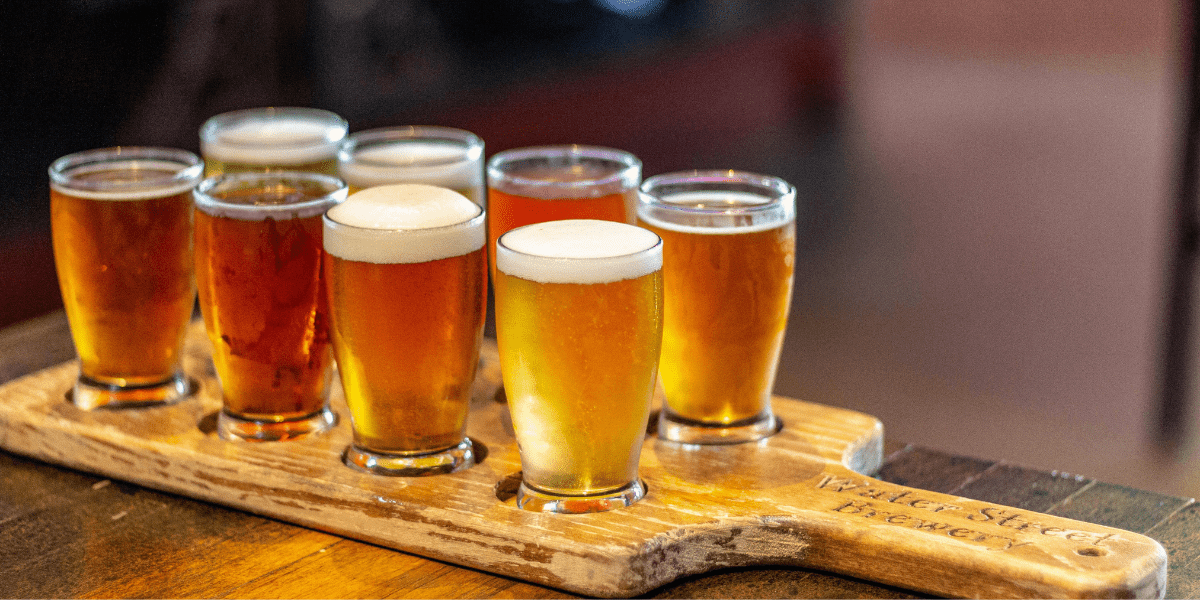
Alcohol and blood sugar have a complicated relationship. Most people assume that alcohol raises blood sugar because it contains calories and often comes with sugary mixers. In reality, the interaction is far more unpredictable than that. Alcohol can raise blood sugar, lower it dangerously, or do both in sequence within the same evening. The effect depends on what you drink, how much, whether you eat alongside it, and whether you have diabetes or prediabetes.
For Singaporeans managing blood sugar, this unpredictability is the real problem. You cannot simply count carbohydrates in a drink and predict the outcome the way you can with food. Alcohol introduces a metabolic variable that your body handles differently from anything else you consume.
Find out if you have diabetes
Patient-first, Holistic, Dedicated Healthcare
How Alcohol Affects Blood Sugar: The Two Directions
To understand why alcohol behaves unpredictably, you need to understand two competing mechanisms.
Mechanism 1: Alcohol can raise blood sugar. Many alcoholic drinks contain significant carbohydrates and sugar. Beer contains maltose from grain. Cocktails are often mixed with fruit juice, tonic water, syrup, or soft drinks. A single Singapore Sling contains roughly 30 to 40 grams of sugar. A pint of craft beer can contain 15 to 20 grams of carbohydrates. Wine contains naturally occurring sugars, with sweet wines carrying considerably more than dry ones. These sugars are absorbed rapidly and raise blood glucose in the same way any sugary drink would.
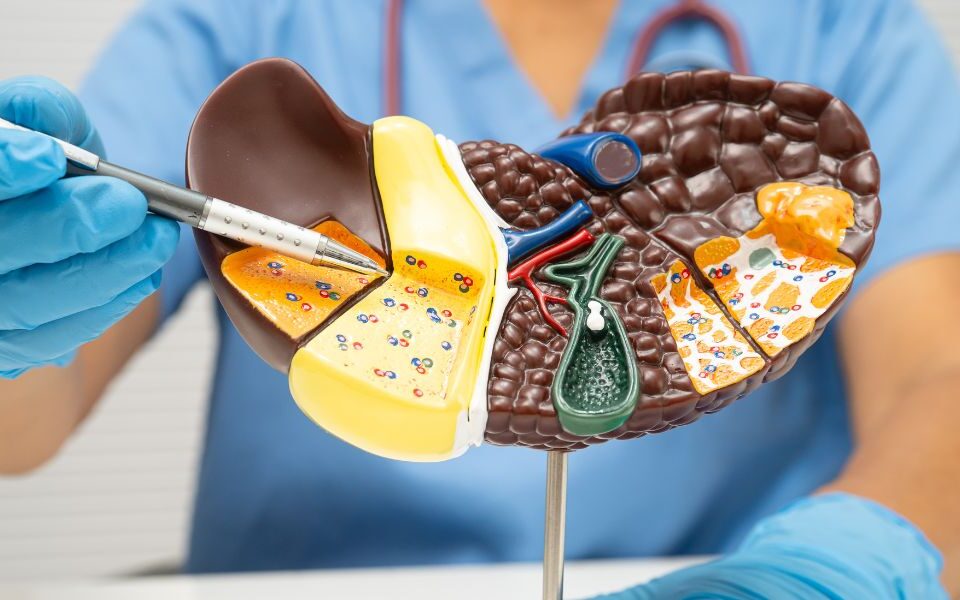
Mechanism 2: Alcohol can lower blood sugar. This is the less intuitive and more dangerous effect. Your liver plays a central role in blood sugar regulation. Between meals and during sleep, your liver releases stored glucose (glycogen) into the bloodstream to maintain stable blood sugar levels. This process is called gluconeogenesis.
When you drink alcohol, your liver prioritises metabolising the alcohol over releasing glucose. It treats alcohol as a toxin that needs to be cleared. While the liver is busy processing alcohol, its ability to release glucose is significantly impaired. This means blood sugar can drop, sometimes to dangerously low levels, particularly if you are taking diabetes medication that also lowers blood sugar.
This dual mechanism is why alcohol is so unpredictable. In the first hour or two, the sugars and carbohydrates in your drink may raise blood sugar. In the hours that follow, particularly overnight, the liver's impaired glucose release can cause blood sugar to fall well below normal. This delayed drop is especially dangerous because it can happen while you are asleep.
The Delayed Hypoglycaemia Risk
For people with diabetes who take insulin or sulfonylureas (a class of oral diabetes medication that stimulates the pancreas to produce more insulin), drinking alcohol introduces a genuine safety risk.
These medications lower blood sugar actively. Normally, your liver compensates by releasing stored glucose when blood sugar drops too low. But if alcohol has impaired your liver's ability to release glucose, this safety net is weakened. The result can be hypoglycaemia (dangerously low blood sugar), which can cause confusion, dizziness, sweating, loss of consciousness, and in severe cases, seizures.
The danger is amplified by timing. Alcohol-related hypoglycaemia can occur six to twelve hours after drinking. This means it frequently happens during the night or the following morning, when you may not recognise the symptoms or may attribute them to a hangover. The symptoms of hypoglycaemia (shakiness, confusion, sweating, nausea) overlap significantly with the symptoms of a hangover, making it easy to dismiss a potentially dangerous blood sugar drop as simply feeling rough after a night out.
If you take insulin or sulfonylureas, you should never drink on an empty stomach, always eat a meal containing carbohydrates alongside alcohol, and check your blood sugar before bed after drinking. If your glucose is below 7 mmol/L before sleep, eat a snack to provide a glucose buffer overnight.
What Different Alcohol Do to Your Glucose
Not all alcoholic drinks affect blood sugar equally. Understanding the differences helps you make informed choices.
- Beer contains carbohydrates from grain and typically has a moderate glycemic impact. A single pint of regular beer contains 10 to 20 grams of carbohydrates. Light beers contain less. Craft beers, stouts, and IPAs often contain more. The carbohydrate content causes an initial blood sugar rise, followed by the liver-suppression effect as alcohol is metabolised.
- Wine has a more moderate carbohydrate load than beer. A glass of dry red or white wine contains roughly 2 to 4 grams of sugar. Sweet wines, dessert wines, and some rosés contain considerably more. Dry wine is generally the most blood-sugar-friendly alcoholic option for people monitoring glucose.
- Spirits (whisky, vodka, gin, rum) contain essentially zero carbohydrates on their own. The blood sugar impact comes entirely from what you mix them with. Vodka with soda water has minimal glucose impact. Vodka with tonic water, orange juice, or sweetened mixers has a significant one. Tonic water alone contains approximately 20 grams of sugar per 250ml serving, roughly the same as soft drink.
- Cocktails are the highest-risk category. Most cocktails combine spirits with fruit juices, syrups, liqueurs, and sweetened mixers. A single margarita, mojito, or espresso martini can contain 20 to 40 grams of sugar. Two or three cocktails over an evening can deliver more sugar than a full meal.
Alcohol and Long-Term Diabetes Risk
Beyond the immediate effects on blood sugar, regular alcohol consumption has longer-term metabolic implications.
Moderate alcohol consumption (one drink per day for women, up to two for men) has not been consistently shown to increase diabetes risk in large population studies. Some research has suggested a modest protective effect, though this remains debated and should not be interpreted as a reason to start drinking if you do not already.
Heavy or binge drinking, however, is clearly associated with increased diabetes risk. Regular excessive consumption promotes weight gain (particularly visceral fat), impairs insulin sensitivity, raises triglycerides, increases blood pressure, and contributes to metabolic syndrome. These are precisely the metabolic risk factors that drive progression from healthy glucose levels to prediabetes to Type 2 diabetes.
Alcohol also contains significant calories that are often overlooked in dietary planning. A pint of beer contains roughly 200 calories. A glass of wine contains 120 to 150 calories. A cocktail can contain 250 to 400 calories. Over several drinks, the caloric intake from alcohol alone can be equivalent to a full meal, contributing to weight gain that worsens insulin resistance over time.
Practical Guidelines for Singaporeans Managing Blood Sugar

You do not need to stop drinking entirely if you have prediabetes or well-controlled Type 2 diabetes. But you do need to drink with awareness.
- Eat before and while you drink - Never drink on an empty stomach. Food, particularly protein and fibre, slows alcohol absorption and provides a glucose buffer that reduces the risk of delayed hypoglycaemia.
- Choose lower-sugar options - Dry wine, spirits with soda water and lime, or light beer are significantly lower in sugar than cocktails, sweet wines, or sugary mixers. At hawker centres and kopitiams, choose soda water over tonic water or soft drinks as mixers.
- Limit quantity - One to two standard drinks in a session is a reasonable target. Each additional drink increases both the immediate glucose fluctuation and the delayed liver-suppression effect.
- Check your blood sugar - If you use insulin or glucose-lowering medication, check your blood sugar before bed after drinking. If you use continuous glucose monitoring, pay attention to your overnight trends after drinking sessions. The data often reveals patterns you would not notice otherwise.
- Stay hydrated - Alternate alcoholic drinks with water. Dehydration worsens both hangover symptoms and blood sugar instability.
- Be honest with your doctor - When discussing your diabetes management or health screening results, mention your typical alcohol consumption accurately. It directly affects how your doctor interprets your blood test results and adjusts your treatment plan.
Know Your Blood Sugar Numbers First
If you drink regularly and have not had your blood sugar checked recently, a diabetes screening test provides an important baseline. Knowing whether your fasting glucose and HbA1c are normal, borderline, or elevated helps you make informed decisions about how alcohol fits into your lifestyle.
At Regis Medical, our Doctors discuss alcohol as part of a broader metabolic health conversation, not as a lecture, but as a practical factor that affects your numbers. If your blood sugar results are trending in the wrong direction, understanding what your drinking habits contribute to that trend is part of building an effective plan.
Find out if you have diabetes
Patient-first, Holistic, Dedicated Healthcare
Medical Disclaimer & Limitation of Liability
The content provided in this post is strictly for informational and educational purposes. Just as we fiercely defend our right to publish general health information, we establish an uncompromising boundary: this material is never a substitute for personalised, professional medical advice, diagnosis, or treatment.
Reading this content does not establish a doctor-patient relationship. You possess the sovereign right and responsibility to manage your own health, which means you must consult your own qualified physician before making any medical decisions based on what you read here. We explicitly disclaim all medicolegal liability for any injury, loss, or risk incurred directly or indirectly from the misinterpretation, misuse, or out-of-context application of our online content. Your health is your responsibility; seek individual professional care.