How Often Should You Test for Diabetes? A Guide by Age and Risk Level
Last updated: 25 Aug 2026
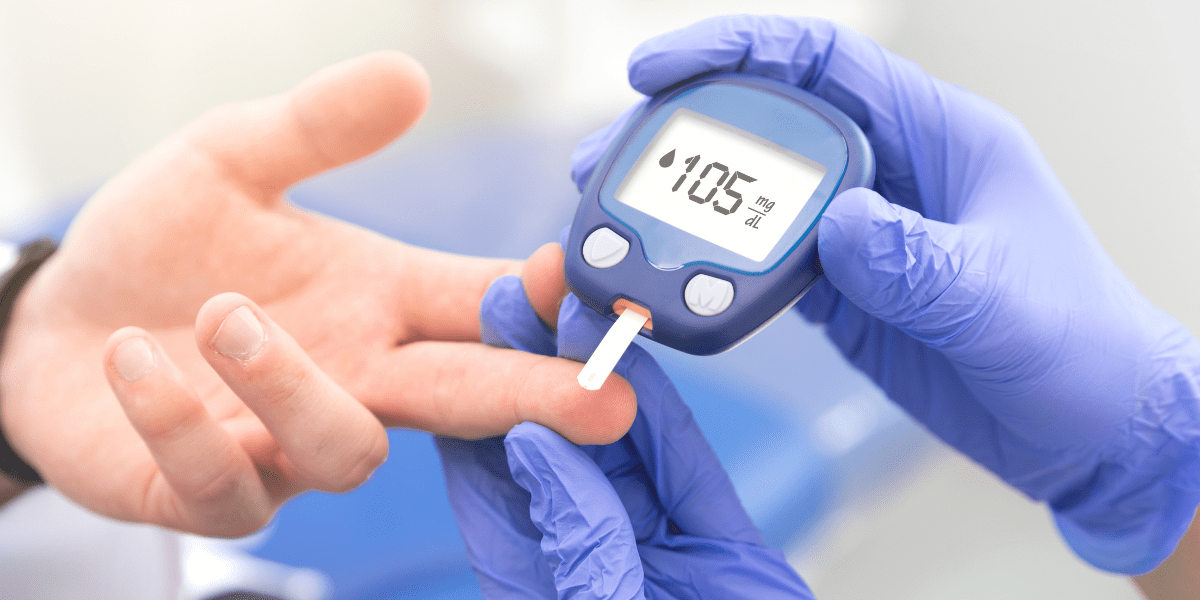
The general answer is simple. According to Singapore's Ministry of Health, adults aged 40 and above should have a diabetes screening test once every three years.
But if you have risk factors, the answer is not simple at all. And that is precisely where many people go wrong. They follow the age-based guideline, assume they do not need screening yet, or wait too long between tests because they believe the baseline recommendation applies to them. Then they receive a prediabetes or diabetes diagnosis that could have been caught years earlier.
Screening frequency is not one-size-fits-all. It depends on age, medical history, lifestyle, family history, ethnicity, and weight. If any of these tip the scales toward higher risk, your screening timeline changes.
Find out if you have diabetes
Patient-first, Holistic, Dedicated Healthcare
The Baseline Recommendation: Age 40 and Above
The Ministry of Health's standard guidance is that all Singaporeans aged 40 and above should undergo diabetes screening once every three years. This baseline assumes you have no family history of diabetes, no chronic conditions, a healthy weight, and no other major risk factors.
For many people, this three-year interval is appropriate. If you are 45, feeling well, have no family history of diabetes, and your last test came back normal, another test in three years is reasonable.
However, the moment any risk factor enters the picture, this timeline shortens. And in Singapore, risk factors are remarkably common.
When You Should Start Screening Before Age 40
The three-year guideline only applies to adults aged 40 and above. But younger adults with risk factors should not wait until their fourth decade to get screened.
If you are under 40 and any of the following apply, you should consider diabetes screening now:
- Family history of diabetes - If a parent, sibling, or grandparent has Type 2 diabetes, your risk is significantly elevated. This is one of the strongest predictors of prediabetes and diabetes.
- Overweight or obesity - A body mass index (BMI) above 25 kg/m² increases insulin resistance and diabetes risk at any age.
- History of gestational diabetes - If you developed diabetes during pregnancy, your risk of Type 2 diabetes over the next 5 to 10 years is 35 to 60 per cent. Women who have had gestational diabetes should be screened at 6 to 12 weeks postpartum and then at least every three years afterward.
- Ethnicity - Singaporeans of Malay and Indian descent have higher rates of diabetes compared to those of Chinese descent. If you belong to a higher-risk ethnic group, earlier screening is justified.
- Sedentary lifestyle - If you work a desk job, exercise rarely, or spend most of your time sitting, diabetes risk is higher from a younger age.
- Polycystic ovary syndrome (PCOS) - Women with PCOS have increased insulin resistance and higher diabetes risk.
- Chronic stress or poor sleep - Both are metabolic risk factors that can accelerate the development of prediabetes.
If any of these apply to you before age 40, book a diabetes test now rather than waiting.
Annual Screening: When Your Timeline Changes
If your last diabetes screening came back normal but you have risk factors, you should move from three-yearly screening to annual screening.
Risk factors that warrant annual testing include:
- Prediabetes on your previous test - If your fasting glucose was 6.1 to 6.9 mmol/L or your HbA1c was 5.7 to 6.4 per cent, you are in the prediabetic range. This is the stage where lifestyle intervention has the most impact. Annual testing allows you to monitor whether your efforts to lose weight, exercise more, or modify your diet are actually changing your blood sugar trajectory.
- Impaired fasting glucose or impaired glucose tolerance on any screening test - These are early warning signs. Annual testing catches progression before it becomes diabetes.
- Multiple risk factors - If you have a family history of diabetes and are overweight and have a sedentary lifestyle, you should not wait three years between tests. Annual screening is appropriate.
- Existing chronic conditions - If you have high blood pressure, high cholesterol, or other metabolic conditions, diabetes risk is elevated. Annual screening helps catch diabetes before it compounds existing health problems.
- Significant lifestyle changes - If you have gained weight, quit exercising, experienced major stress, or made other changes that increase risk, annual screening for at least a year or two helps you monitor the impact.
At Regis Medical, annual diabetes screening tests as part of a broader health screening make it easy to stay on top of your risk without needing a separate appointment each year.
More Frequent Testing: When You Have Been Diagnosed
If you have already been diagnosed with diabetes, screening frequency changes dramatically.
For people with Type 2 diabetes managed by lifestyle changes alone or with medication, the current recommendation is to check HbA1c at least every three months initially, then every three to six months once your blood sugar is stable. Your doctor may recommend more frequent testing if your glucose control is not at target or if you have just started a new medication.
For those using continuous glucose monitoring systems, blood sugar data is available continuously, eliminating the need for periodic point-in-time testing.
If you have been diagnosed with prediabetes or have abnormal glucose tolerance, testing frequency typically begins at every six months to a year, with the goal of tracking whether lifestyle interventions are working.
Women and Gestational Diabetes
Women with a history of gestational diabetes have one of the strongest risk factors for future diabetes. Guidelines recommend screening at 6 to 12 weeks postpartum and then at least every three years for life.
However, if you had gestational diabetes and you have additional risk factors (family history of diabetes, overweight, sedentary lifestyle), annual screening after the initial postpartum test is prudent rather than waiting the full three years.
For pregnant women without a prior history of gestational diabetes, universal screening is recommended at 24 to 28 weeks of pregnancy. If you are planning to become pregnant and have risk factors for gestational diabetes, discuss screening timing with your doctor before conception.
Making Your Screening Plan
The best approach is to have a conversation with your doctor about your personal risk profile rather than relying on a generic timeline. At Regis Medical, our diabetes tests begins with a risk assessment. We review your age, family history, weight, lifestyle, previous test results, and any symptoms or concerns. Based on that assessment, we recommend a screening frequency tailored to you.
Some people genuinely do need screening only every three years. Others need it annually. A few need it more frequently. The only way to know for certain is to assess your individual risk.
If you are not sure whether you need screening now or how frequently you should be tested, the simplest approach is to book an appointment. Our Doctors can review your situation and give you a clear recommendation based on your actual risk, not a population average.
Find out if you have diabetes
Patient-first, Holistic, Dedicated Healthcare
Medical Disclaimer & Limitation of Liability
The content provided in this post is strictly for informational and educational purposes. Just as we fiercely defend our right to publish general health information, we establish an uncompromising boundary: this material is never a substitute for personalised, professional medical advice, diagnosis, or treatment.
Reading this content does not establish a doctor-patient relationship. You possess the sovereign right and responsibility to manage your own health, which means you must consult your own qualified physician before making any medical decisions based on what you read here. We explicitly disclaim all medicolegal liability for any injury, loss, or risk incurred directly or indirectly from the misinterpretation, misuse, or out-of-context application of our online content. Your health is your responsibility; seek individual professional care.