Can Fatty Liver Be Reversed? Lifestyle Changes That May Actually Work
Last updated: 16 Sep 2026

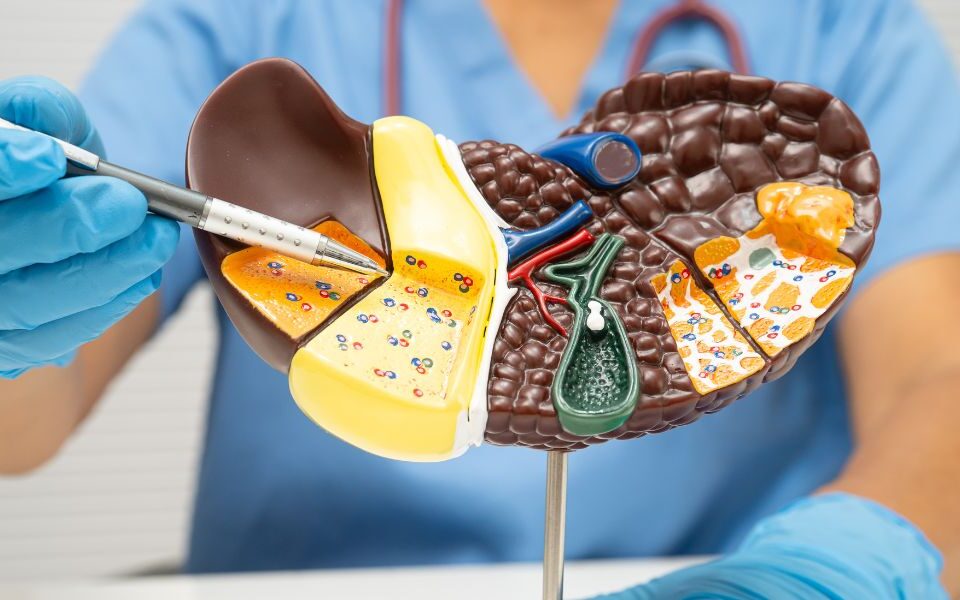
You received your health screening results. Your liver function test showed elevated ALT. Your doctor mentioned fatty liver. And your first question, after the initial surprise, was: can I fix this?
Yes. In the majority of cases, you can. And the evidence on what works is more specific and more encouraging than the generic advice to "eat better and exercise more."
As we explained in our blog on fatty liver disease in Singapore, MASLD progresses through stages: simple fat accumulation, inflammation (steatohepatitis), fibrosis (scarring), and eventually cirrhosis. At stages 1 and 2, the disease is entirely reversible. At stage 3, early fibrosis can still improve. At stage 4 (cirrhosis), the damage is largely permanent.
The window for reversal is wide but not infinite. And the interventions that close that window are not vague lifestyle platitudes. They are specific, measurable, and evidence-based.
Liver Function Test for peace of mind
Patient-first, Holistic, Dedicated Healthcare
Weight Loss: The Single Most Effective Intervention
If you retain only one piece of information from this article, make it this: weight loss is the most evidence-based, most effective, and most consistently supported intervention for reversing fatty liver. No supplement, medication, or diet trend has stronger evidence.
The thresholds are well defined. A loss of 3 to 5 per cent of body weight reduces liver fat content measurably. A loss of 7 to 10 per cent resolves steatohepatitis (liver inflammation) in the majority of patients. And a loss of 10 per cent or more can improve and, in some cases, reverse early fibrosis.
For a 80 kg man, 10 per cent weight loss is 8 kilograms. For a 65 kg woman, it is 6.5 kilograms. These are meaningful but achievable targets over six to twelve months.
The method of weight loss matters less than the result. Caloric restriction, dietary pattern change, intermittent fasting, and increased physical activity all produce liver fat reduction when they result in weight loss. The diet that produces the most sustained weight loss for your individual situation is the best diet for your liver.
However, the composition of your diet does matter for reasons beyond the caloric equation.
Dietary Changes: What to Reduce and What to Increase
Reduce refined carbohydrates and fructose. This is the most liver-specific dietary intervention. Your liver processes fructose directly, converting excess to fat through a pathway called de novo lipogenesis. High fructose intake from sweetened beverages, fruit juices, processed foods, and table sugar is a primary driver of hepatic fat accumulation. Reducing these sources directly reduces the substrate that your liver is converting to fat.
White rice, white bread, noodles, and other refined carbohydrates also contribute, because they produce rapid insulin spikes that promote hepatic fat synthesis. In Singapore, where refined carbohydrates form a significant proportion of the average diet, this shift represents a meaningful but achievable change.
Increase fibre. Dietary fibre slows carbohydrate absorption, reduces insulin spikes, feeds beneficial gut bacteria, and supports weight management. As we discussed in our blog on fibre and gut health, the average Singaporean consumes only 13 grams per day, less than half the recommended 20 to 30 grams. Increasing fibre through vegetables, legumes, whole grains, nuts, and seeds directly supports liver fat reduction.
Increase protein. Adequate protein intake (1.2 to 1.6 grams per kilogram of body weight daily) supports muscle preservation during weight loss, improves satiety (reducing overall caloric intake), and has been shown to reduce liver fat independently of weight loss in some studies.
Adopt a Mediterranean-style dietary pattern. The Mediterranean diet has the strongest evidence base for fatty liver improvement. It emphasises vegetables, fruits, whole grains, legumes, nuts, fish, and olive oil while minimising processed foods, refined carbohydrates, and added sugars. Studies show this dietary pattern reduces liver fat, improves liver enzymes, and reduces cardiovascular risk, the leading cause of death in MASLD patients.
Reduce omega-6 seed oils and increase omega-3. Omega-3 fatty acids (from fish, walnuts, and flaxseed) have been shown to reduce liver fat in several clinical trials. Eating fish two to three times per week is one of the simplest dietary additions for liver health.
Exercise: It Works Even Without Weight Loss
This is the finding that many people miss. Exercise reduces liver fat independently of weight loss. Your scale may not change, but your liver is improving.
Aerobic exercise (brisk walking, cycling, swimming, jogging) performed at moderate intensity for 150 to 300 minutes per week consistently reduces hepatic fat content in clinical trials, even when body weight remains stable. The mechanism is improved insulin sensitivity and enhanced hepatic fat oxidation. Your liver becomes better at burning the fat it has accumulated rather than storing more.
Resistance training (weights, bodyweight exercises, resistance bands) also reduces liver fat and improves insulin sensitivity. It preserves lean muscle mass during caloric restriction, raises resting metabolic rate, and produces metabolic benefits that complement aerobic exercise.
The optimal approach is both: aerobic exercise three to five times per week plus resistance training two to three times per week. But any increase in physical activity above your current baseline is beneficial. If you are currently sedentary, starting with daily 30-minute walks and adding resistance training gradually is a practical and sustainable entry point.
Alcohol: Less Is Better, None Is Best
MASLD is not caused by alcohol, but alcohol accelerates its progression. Alcohol adds direct hepatotoxic stress to a liver that is already metabolically burdened. Even moderate consumption increases the risk of progression from simple steatosis to steatohepatitis and fibrosis.
If you have been diagnosed with fatty liver, reducing alcohol to a minimum or eliminating it entirely is one of the most impactful single changes you can make. As we discussed in our blog on alcohol and men's health , the liver prioritises alcohol metabolism above all other functions, meaning every drink diverts your liver from the fat-clearing work you need it to do.
What About Supplements and Medications?
Vitamin E has evidence for reducing liver inflammation (steatohepatitis) at doses of 800 IU daily. However, it is not recommended for everyone. High-dose vitamin E supplementation has been associated with increased cardiovascular risk in some studies, and it should only be taken under medical supervision.
Coffee. Interestingly, coffee consumption is consistently associated with reduced liver fibrosis risk. Multiple large studies show that two to three cups of coffee per day are associated with lower ALT levels, reduced fibrosis, and lower rates of liver cancer. The protective compounds appear to include both caffeine and non-caffeine antioxidants in coffee.
Omega-3 supplements. If you do not eat fish regularly, omega-3 supplementation (1,000 to 2,000 mg EPA and DHA daily) has evidence for reducing liver fat.
Metformin. While commonly used for diabetes and insulin resistance, metformin does not directly reduce liver fat. However, it improves insulin sensitivity, which indirectly supports hepatic fat clearance.
Resmetirom (Rezdiffra). The first FDA-approved medication specifically for MASLD with fibrosis (approved 2024). It is not yet routinely available in Singapore but represents a significant development in the field. For now, lifestyle intervention remains the primary treatment.
There is no supplement that reverses fatty liver on its own. Supplements may support the process, but they do not replace the foundational interventions of weight loss, dietary change, and exercise.
How Quickly Can Fatty Liver Improve?
The timeline is faster than most patients expect.
Liver fat content can decrease measurably within weeks of sustained dietary change and caloric restriction. ALT levels typically begin to improve within four to eight weeks of effective intervention. Liver ultrasound findings can improve within three to six months of sustained weight loss. And steatohepatitis can resolve within six to twelve months of achieving a 7 to 10 per cent weight loss.
This means the intervention window is not years. It is months. Meaningful, measurable improvement is achievable within a timeframe that most patients find motivating rather than daunting.
How to Track Your Progress
Reversal is not something you assume based on feeling better. It should be measured.
At our GP clinic, we monitor fatty liver reversal through repeat liver function tests (ALT, AST, GGT) at three to six month intervals. Declining ALT toward the normal range confirms that liver inflammation is resolving. Metabolic markers (fasting glucose, HbA1c, cholesterol) are monitored in parallel because fatty liver reversal should coincide with improvements in blood sugar, insulin sensitivity, and lipid profile. Waist circumference is measured as a surrogate for visceral fat reduction. And if indicated, repeat liver ultrasound or FibroScan can confirm structural improvement.
This monitoring provides objective feedback that lifestyle changes are working, which reinforces motivation, and identifies when additional intervention (medication, specialist referral) may be needed.
Your Liver Is Waiting for You to Act
Fatty liver disease is silent, common, and progressive. But it is also reversible. The same lifestyle changes that improve your metabolic health, your cardiovascular risk, your weight, and your energy also clear the fat from your liver.
A health screening at Regis Medical tells you where you stand. A consultation at our GP clinic gives you the plan and the monitoring to confirm it is working.
Your liver did not ask for the fat it is carrying. And it will clear it if you give it the conditions to do so.
Liver Function Test for peace of mind
Patient-first, Holistic, Dedicated Healthcare
Medical Disclaimer & Limitation of Liability
The content provided in this post is strictly for informational and educational purposes. Just as we fiercely defend our right to publish general health information, we establish an uncompromising boundary: this material is never a substitute for personalised, professional medical advice, diagnosis, or treatment.
Reading this content does not establish a doctor-patient relationship. You possess the sovereign right and responsibility to manage your own health, which means you must consult your own qualified physician before making any medical decisions based on what you read here. We explicitly disclaim all medicolegal liability for any injury, loss, or risk incurred directly or indirectly from the misinterpretation, misuse, or out-of-context application of our online content. Your health is your responsibility; seek individual professional care.