The Supplement Trap and Expensive Urine: Which Ones Your Body Actually Needs
Last updated: 26 Aug 2026
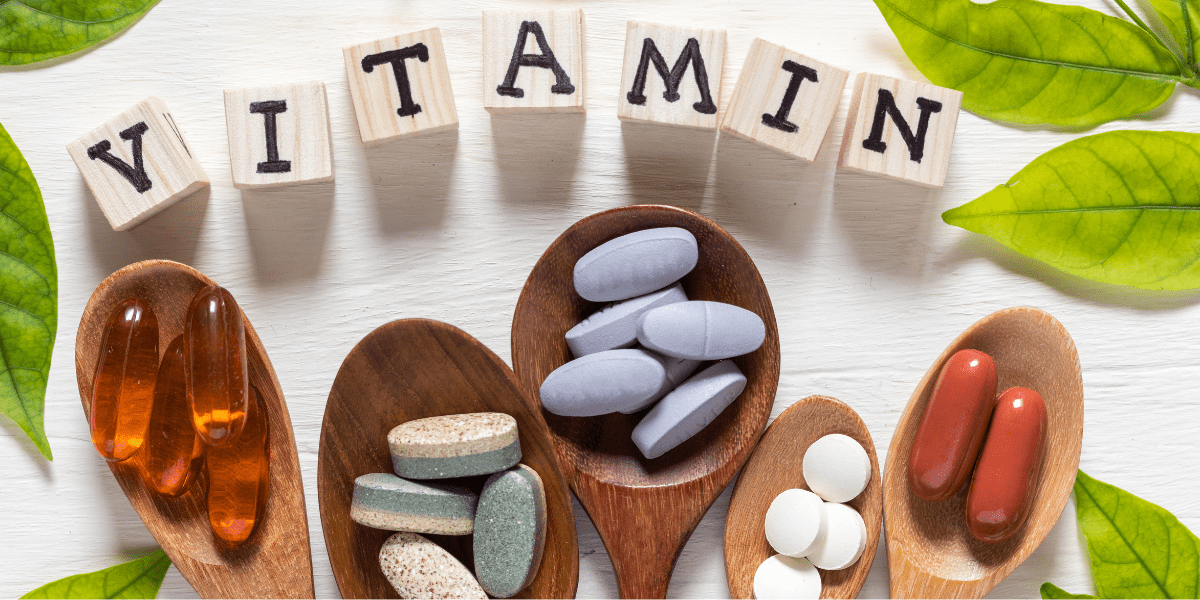
Singapore's health supplements market is worth over $200 million annually. Vitamins, minerals, probiotics, collagen, fish oil, greens powders, immunity boosters, beauty supplements. The shelves at Guardian and Watsons are overflowing, and the Instagram ads are relentless.
The Ministry of Health's position is clear: most Singaporeans can meet their recommended dietary allowances for key nutrients from their usual dietary intake. The best way for most of us to get the nutrients we need is to eat a balanced diet of a variety of foods. Supplements are beneficial for certain groups (pregnant women, those with restricted diets, specific medical conditions) but are not necessary for the general population.
Yet the supplement industry continues to grow, driven not by evidence but by marketing, anxiety, and the seductive promise that a pill can compensate for a lifestyle. Most of it produces expensive urine. Your kidneys filter out the excess, it ends up in the toilet, and you are poorer for it.
But not all supplements are useless. A handful have genuine evidence behind them, and in Singapore's specific context, some are worth considering. The key is knowing the difference.
Test to find out if you have any deficiencies
Patient-first, Holistic, Dedicated Healthcare
The Supplements That Actually Matter in Singapore
Despite the general principle that food is superior to supplementation, there are specific situations where supplements fill genuine nutritional gaps. In Singapore's context, a few stand out.
Vitamin D: The One You Almost Certainly Need
This is the most evidence-supported supplement for Singaporeans, and the reason is paradoxical: despite living in one of the sunniest countries on earth, Singaporeans are widely vitamin D deficient.
A study of indoor workers in Singapore found that 32.9 percent were vitamin D deficient. A separate study found that approximately 42 percent of healthy Singaporean participants were deficient. A 2024 study found that only 2.2 percent of pregnant women in Singapore had sufficient vitamin D levels.
The reason is simple: most Singaporeans spend the vast majority of their day indoors, in air-conditioned offices, shopping malls, and MRT trains. When they do go outside, they actively avoid sun exposure, using umbrellas, sunscreen, and long sleeves to protect against heat and skin darkening.
Vitamin D deficiency is associated with:
- Increased cardiovascular risk
- Insulin resistance
- Weakened bones
- Impaired immunity
- Higher rates of depression
For a population that is largely indoor-dwelling and sun-avoidant, vitamin D supplementation (typically 1,000 to 2,000 IU daily) is one of the most evidence-supported interventions available.
At Regis Medical, we can test your vitamin D levels with a vitamin deficiency blood test or health screening. If your levels are low, supplementation is straightforward and inexpensive.
Iron: Only If You Are Deficient
Iron supplementation is frequently taken by women who assume they need it because of menstruation. In some cases, this is correct. Iron deficiency anaemia is relatively common among women with heavy periods, pregnant women, and individuals with restricted diets.
However, iron is not a supplement you should take "just in case." Excess iron is not excreted like water-soluble vitamins. It accumulates in organs and can cause liver damage, joint pain, and increased oxidative stress. Iron overload is a genuine clinical condition.
The correct approach is to test your iron levels through a iron deficiency test and ferritin level test If you are deficient, supplementation is appropriate and effective. If your levels are normal, supplementation is unnecessary and potentially harmful.
Folate: Essential for Pregnancy, Optional for Everyone Else
Women planning pregnancy should take folic acid (400 to 800 micrograms daily) starting at least one month before conception and continuing through the first trimester. Folate is critical for neural tube development and reduces the risk of serious birth defects. This is one of the most well-established supplement recommendations in medicine.
For non-pregnant adults eating a varied diet, folate supplementation is generally unnecessary. Leafy greens, legumes, and fortified grains provide adequate folate for most people.
Omega-3 Fatty Acids: Modest Benefit, Not a Miracle
Fish oil supplements containing EPA and DHA have evidence supporting modest cardiovascular benefits, particularly for individuals who do not eat fatty fish regularly. The benefit is most pronounced in people with existing heart disease or elevated triglycerides.
For healthy adults who eat fish two to three times per week, supplementation adds little. For those who rarely eat fish, a fish oil supplement (1,000 to 2,000mg combined EPA and DHA daily) provides a reasonable nutritional safety net.
The claims about omega-3 improving brain function, skin health, and joint pain are supported by far weaker evidence than the cardiovascular data. Take fish oil for heart health if you do not eat fish. Do not take it expecting cognitive enhancement.
Probiotics: Specific Strains for Specific Conditions
The probiotic market is enormous and largely overhyped. The evidence supports specific probiotic strains for specific conditions: Lactobacillus rhamnosus GG for antibiotic-associated diarrhoea, Saccharomyces boulardii for C. difficile prevention, and certain strains for irritable bowel syndrome symptoms.
The evidence does not support taking a generic "daily probiotic" for general health. Your gut microbiome is a complex ecosystem shaped primarily by diet, particularly fibre intake. A daily probiotic capsule containing a few billion bacteria of a few strains is unlikely to meaningfully shift an ecosystem containing trillions of organisms from hundreds of species.
If you have specific digestive symptoms, a gut health screening at Regis Medical can identify whether a targeted probiotic (or a different intervention altogether) is appropriate. A blanket probiotic recommendation without testing is guesswork, not medicine.
What You Should Skip
- Multivitamins - No evidence of benefit for healthy adults eating a varied diet. Save your money.
- Vitamin C megadoses - Your body cannot use more than about 200mg at a time. Anything above that is excreted. Eating fruit is cheaper and more effective.
- Collagen supplements - The evidence for skin and joint benefits is weak and inconsistent. Your digestive system breaks collagen down into amino acids before absorption. There is no mechanism that guarantees those amino acids will be reassembled into collagen in your skin.
- Detox supplements - Your liver and kidneys detoxify your body continuously and effectively. No supplement improves upon this process. "Detox" is a marketing term, not a physiological one.
- Immunity boosters - Your immune system is not a muscle that gets stronger with more supplements. Unless you have a diagnosed deficiency (vitamin D, iron, zinc), supplementation does not "boost" immunity.
- Greens powders - Eating actual vegetables provides fibre, water content, and a full spectrum of phytonutrients that a processed powder cannot replicate. If you are using greens powders as a substitute for vegetables, you are missing the point.
Test First, Supplement Second
The most rational approach to supplementation is to test for deficiencies before taking anything. A comprehensive health screening that includes a full blood count, vitamin D levels, iron studies, liver function, kidney function, and metabolic markers tells you exactly what your body is lacking and what it has enough of.
At Regis Medical, our Doctors review your results in context. If your vitamin D is low, we recommend supplementation. If your iron is normal, we tell you to save your money. If your blood sugar is trending upward, we address that through diet and lifestyle, not through a supplement claiming to "support healthy glucose levels."
This is evidence-based medicine. It is less exciting than a cabinet full of supplements. But it is far more effective, far cheaper, and far more likely to actually improve your health.
Test to find out if you have any deficiencies
Patient-first, Holistic, Dedicated Healthcare
Medical Disclaimer & Limitation of Liability
The content provided in this post is strictly for informational and educational purposes. Just as we fiercely defend our right to publish general health information, we establish an uncompromising boundary: this material is never a substitute for personalised, professional medical advice, diagnosis, or treatment.
Reading this content does not establish a doctor-patient relationship. You possess the sovereign right and responsibility to manage your own health, which means you must consult your own qualified physician before making any medical decisions based on what you read here. We explicitly disclaim all medicolegal liability for any injury, loss, or risk incurred directly or indirectly from the misinterpretation, misuse, or out-of-context application of our online content. Your health is your responsibility; seek individual professional care.