Vaccine Guide for Seniors in Singapore
Last updated: 27 Aug 2026
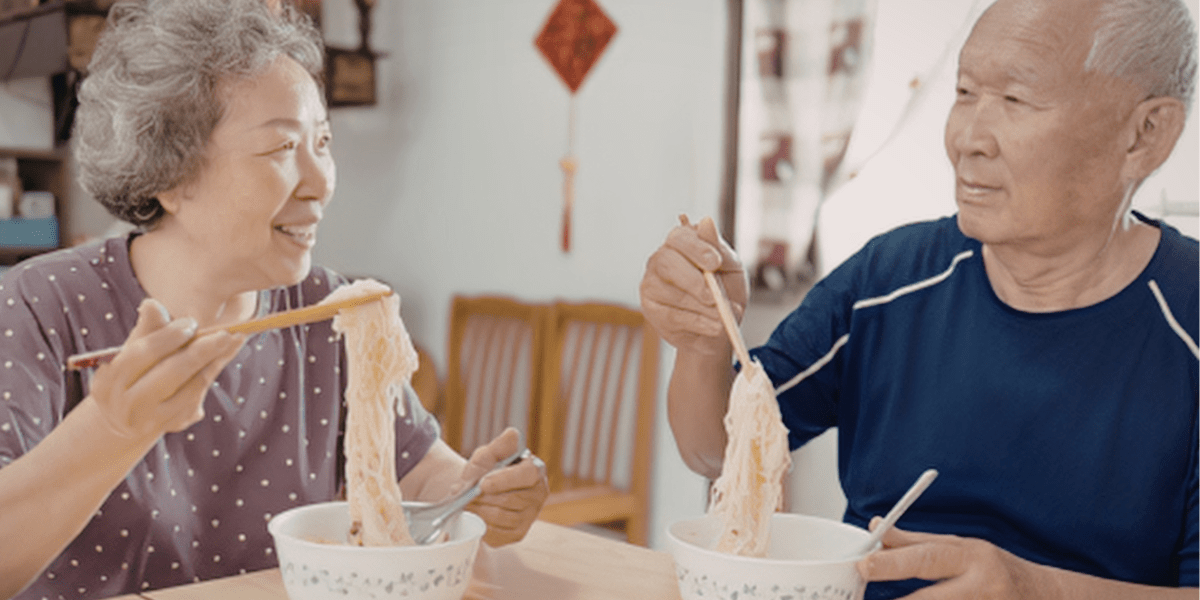
As you age, your immune system gradually weakens. It's a natural process called immunosenescence, and it affects everyone. The antibodies you built decades ago become less effective. Your immune cells respond more slowly. Infections that a younger body would fight off quickly become more dangerous. This is precisely why vaccination becomes more important with age, not less. Yet many Singaporean seniors have never received the vaccines specifically recommended for their age group.
Vaccination for seniors in Singapore
Patient-first, Holistic, Dedicated Healthcare
Why Aging Makes Vaccination More Important
Many seniors assume vaccines are primarily for children. This assumption is understandable but incorrect. The vaccines recommended for seniors exist because aging creates specific vulnerabilities that vaccination directly addresses.
Immunosenescence: Your Immune System's Gradual Decline
Starting from around age 50, your immune system progressively weakens. This isn't sudden. It's gradual, which is partly why it goes unnoticed. Your body produces fewer naive T-cells (the cells that respond to new threats). Your existing immune memory becomes less reliable. Your inflammatory responses become less precise.
The result is that infections you would have fought off easily at 30 or 40 become more dangerous at 65 or 75. A flu infection that would have meant a rough week for a younger person can hospitalise an elderly person. A pneumonia that a younger immune system would clear can become life-threatening.
The Diseases That Disproportionately Affect Seniors
Certain vaccine-preventable diseases are disproportionately dangerous for older adults.
- Influenza-related hospitalisations rise sharply in adults over 65. Flu in elderly patients commonly leads to secondary bacterial pneumonia, which carries significant mortality risk.
- Pneumococcal pneumonia is consistently among the top causes of death in Singaporeans aged 65 and above. The bacteria that cause pneumococcal disease are more dangerous when the immune system is weakened.
- Shingles risk increases with every decade after 50, and the most debilitating complication (post-herpetic neuralgia) occurs in up to 30 to 40% of shingles cases in people over 60.
These aren't rare risks. They're common causes of hospitalisation, suffering, and death in elderly Singaporeans. And they're preventable through vaccination.
Singapore's National Adult Immunisation Schedule (NAIS): What It Recommends for Seniors
Singapore's NAIS provides clear recommendations for adult vaccination. For seniors aged 65 and above, the following vaccines are specifically recommended.
Influenza Vaccine (Annual)
Why it matters for seniors: Flu in elderly adults is not the same illness as flu in younger adults. Older immune systems mount weaker responses to influenza, allowing the virus to cause more damage. Flu complications including pneumonia, myocarditis, and worsening of chronic conditions are significantly more common in seniors.
In Singapore, where flu circulates year-round with two peaks, elderly adults are exposed continuously. Annual vaccination is the most effective protection.
- How it helps: The flu vaccine reduces flu infection risk and, critically, reduces flu-related hospitalisation by 50 to 70% even in years with lower vaccine effectiveness. For seniors, preventing hospitalisation is often the most important outcome.
- Schedule: One dose annually. Available year-round in Singapore.
- Subsidies: The influenza vaccine is subsidised for eligible Singaporean seniors under NAIS. Medisave can be used for certain approved vaccines. Our Doctors can advise on your specific eligibility.
Pneumococcal Vaccine
Why it matters for seniors: Pneumococcal disease (caused by Streptococcus pneumoniae bacteria) causes pneumonia, bacteraemia (bloodstream infection), and meningitis. Elderly adults are at highest risk. Pneumonia is one of the leading causes of death in Singaporean seniors.
The combination of flu followed by secondary pneumococcal pneumonia is a particularly dangerous sequence for elderly patients. Getting both the flu vaccine and the pneumococcal vaccine together provides significantly better protection than either vaccine alone.
- How it helps: The pneumococcal vaccine reduces pneumococcal pneumonia risk and the risk of invasive pneumococcal disease (bacteraemia, meningitis).
- Schedule: The recommended schedule for seniors depends on previous vaccination history. Some seniors need one dose of PCV13 followed by PPSV23. Others may need only one type. Our Doctors will review your history and recommend the appropriate schedule.
- Subsidies: The pneumococcal vaccine is subsidised for eligible Singaporean seniors under NAIS.
Shingles Vaccine (Shingrix)
Why it matters for seniors: If you had chickenpox as a child (which includes the vast majority of Singaporean seniors), the varicella-zoster virus is dormant in your nerve cells. As your immune system weakens with age, the risk of reactivation as shingles increases. Roughly 1 in 3 people who had chickenpox will develop shingles in their lifetime, with risk increasing sharply after 50.
Shingles itself is intensely painful. But the complication that makes vaccination essential for seniors is post-herpetic neuralgia (PHN), chronic nerve pain that persists after the rash heals. PHN occurs in up to 30 to 40% of shingles cases in people over 60 and can last months or years.
- How it helps: The Shingrix vaccine is over 90% effective at preventing shingles even in adults over 70. This level of effectiveness in older adults is remarkable because most vaccines become less effective with age. Shingrix achieves this through a specially designed adjuvant (AS01B) that produces a robust immune response even in aging immune systems. This is also why Shingrix tends to cause more noticeable side effects (soreness, fatigue, mild fever for a day or two) than some other vaccines. The stronger side effects reflect the stronger immune response, which is exactly what elderly immune systems need.
- Schedule: Two doses, given two to six months apart. Both doses are needed for full protection.
- Subsidies: Shingrix is included in Singapore's NAIS. Eligible Singaporean seniors may qualify for subsidised pricing. Our Doctors can advise on eligibility during your consultation.
Tdap (Tetanus, Diphtheria, Pertussis) Booster
Why it matters for seniors: Most seniors received tetanus and diphtheria vaccines as children, but immunity wanes over time. A booster every 10 years maintains protection. Pertussis (whooping cough) is included in the booster because elderly adults can catch and transmit pertussis to vulnerable grandchildren.
- How it helps: Maintains protection against tetanus (important if you sustain wounds or injuries), diphtheria, and pertussis. Also protects grandchildren who may be too young to be fully vaccinated.
- Schedule: One booster every 10 years.
Hepatitis B Vaccine
Why it matters for seniors: Many Singaporean seniors were born before universal hepatitis B vaccination was introduced in Singapore in 1987. They may never have been vaccinated. Singapore has historically had higher hepatitis B prevalence than Western countries, and chronic hepatitis B is a leading cause of liver cancer.
- How it helps: The hepatitis B vaccine prevents hepatitis B infection. A hepatitis B test can determine whether your parent is already immune (from past vaccination or natural infection), currently infected (requiring monitoring), or unprotected (requiring vaccination).
- Schedule: Three doses over six months. Once completed, protection is considered lifelong.
Vaccines to Discuss With Doctor Based on Individual Risk
Beyond the core NAIS recommendations, certain vaccines may be appropriate depending on individual circumstances.
Travel Vaccines
Seniors who travel, whether for leisure or to visit family abroad, should ensure they have appropriate travel vaccinations. Elderly immune systems are more vulnerable to travel-related infections like typhoid, hepatitis A, and Japanese encephalitis.
Understanding Subsidies and Medisave for Senior Vaccinations
Cost is a common barrier to senior vaccination. Understanding what's subsidised helps remove this barrier.
NAIS Subsidies
Several vaccines recommended under NAIS are subsidised for eligible Singaporean citizens and permanent residents. The subsidy amount varies by vaccine and eligibility criteria. Our Doctors can confirm your eligibility and the subsidised price during your consultation.
Medisave
Medisave can be used for certain approved vaccinations under the National Adult Immunisation Schedule. This reduces out-of-pocket costs significantly for eligible seniors.
CHAS Subsidies
Seniors with Community Health Assist Scheme (CHAS) cards may qualify for additional subsidies on recommended vaccinations at participating GP clinics.
Our clinic accepts CHAS, Medisave, and NAIS subsidies for eligible patients. Our Doctors can advise on the most cost-effective approach for your parent's vaccination plan during the consultation.
A Guide for Adult Children: How to Help Your Parents
If you're reading this as an adult child researching vaccinations for your parents, here's a practical approach.
Step 1: Check Their Vaccination History
Ask your parents which vaccines they've received. Many elderly Singaporeans have incomplete records. If records aren't available, our Doctors can assess immunity through blood tests for certain vaccines (like hepatitis B) and recommend a catch-up plan.
Step 2: Book a Vaccination Review
Bring your parent to our Holland Village or Katong clinic for a vaccination review. Our Doctors will assess their history, recommend appropriate vaccines, explain subsidies, and administer any vaccines that can be given during that visit.
Step 3: Address Their Concerns
Many elderly parents resist vaccination because they fear side effects, believe they're "too old," or don't understand why they need vaccines. Sharing what you've learned about immunosenescence and the specific risks of flu, pneumonia, and shingles in elderly adults can help them understand why vaccination matters.
If side effect concerns are the primary resistance, our guide on what's normal after vaccination can help address their worries with practical information.
Step 4: Plan the Schedule
Some vaccines can be given in a single visit. Others (like Shingrix and hepatitis B) require multiple doses over weeks or months. Our Doctors will create a schedule that covers all recommended vaccines efficiently.
Step 5: Set Annual Reminders
The flu vaccine needs annual renewal. Set a reminder each year to book your parent's flu jab. Many families tie it to a birthday, anniversary, or annual health screening to make it routine.
Senior Vaccination as Part of Comprehensive Health
Vaccination fits within a broader approach to senior health. It's one component alongside regular health screening, chronic disease management, and preventive care.
If your parent is already visiting our clinic for blood pressure monitoring, diabetes management, cholesterol checks, or other regular care, adding vaccination to an existing visit is efficient and convenient.
For seniors managing chronic conditions, vaccination is particularly important because chronic diseases increase vulnerability to infections. Diabetes, heart disease, lung conditions, and kidney disease all amplify flu and pneumonia risk. Vaccination is a critical complement to medication management.
A Quick Reference: Senior Vaccination Checklist
Every year:
Once (if not previously received or immunity has waned):
- Pneumococcal vaccine
- Shingles vaccine (Shingrix) (two doses)
- Hepatitis B vaccine (three doses, if not previously vaccinated or immunity has waned)
Every 10 years:
- Tdap booster (tetanus, diphtheria, pertussis)
Based on individual risk:
- Travel vaccines if travelling
- Other vaccines based on medical history and risk factors
They Protected You. Now Protect Them.
Your parents' immune systems aren't what they were. That's not a failure. It's biology. But it means the diseases they could once fight off now carry real risk. The vaccines recommended for seniors exist precisely because aging creates this vulnerability.
Ensuring your parents are up to date is one of the most practical, high-impact things you can do for their long-term health. Our Doctors can review their vaccination history, advise on subsidies and Medisave eligibility, and administer all recommended vaccines in a single visit.
Vaccination for seniors in Singapore
Patient-first, Holistic, Dedicated Healthcare
Medical Disclaimer & Limitation of Liability
The content provided in this post is strictly for informational and educational purposes. Just as we fiercely defend our right to publish general health information, we establish an uncompromising boundary: this material is never a substitute for personalised, professional medical advice, diagnosis, or treatment.
Reading this content does not establish a doctor-patient relationship. You possess the sovereign right and responsibility to manage your own health, which means you must consult your own qualified physician before making any medical decisions based on what you read here. We explicitly disclaim all medicolegal liability for any injury, loss, or risk incurred directly or indirectly from the misinterpretation, misuse, or out-of-context application of our online content. Your health is your responsibility; seek individual professional care.