Hot Flashes and Night Sweats in Singaporean Women: What to Test For
Last updated: 28 Aug 2026
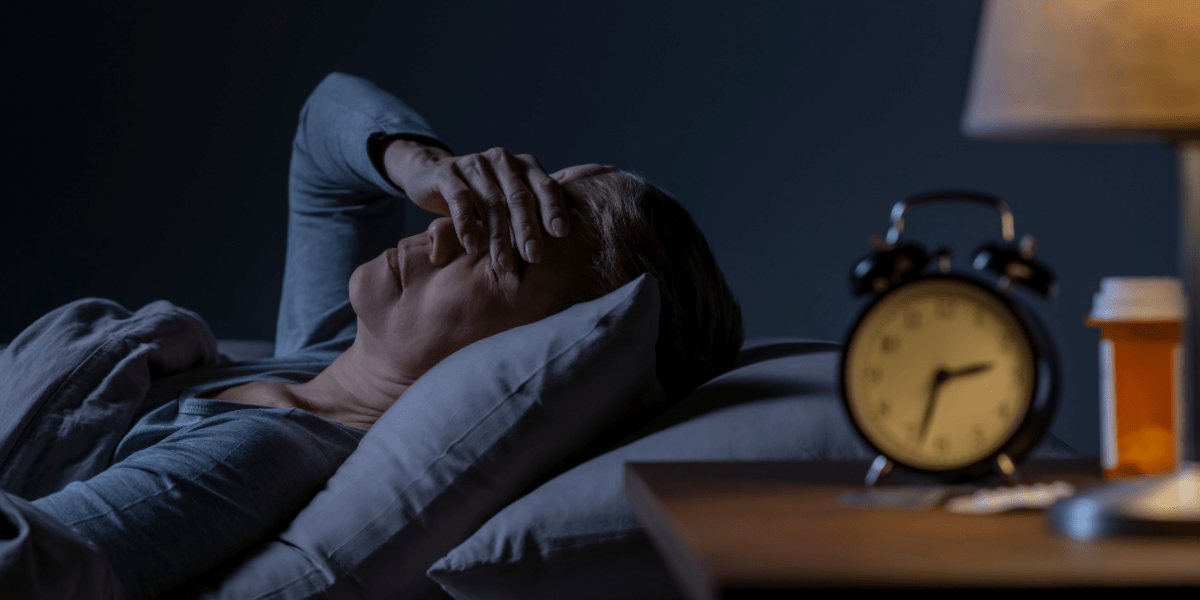
You are in a meeting when it hits. A wave of heat that starts in your chest and rises through your neck and face. Your skin flushes, start sweating. Everyone else in the air-conditioned room looks comfortable. You feel like you are standing next to an open oven.
Or it happens at night. You wake drenched, pillow damp, sheets clinging. You throw off the covers, cool down, and then feel cold. You change your clothes, lie back down, and spend the next hour unable to fall asleep. This happens three, four, five times a week.
If you are a woman in your 40s or 50s in Singapore, your first assumption is perimenopause. And in the majority of cases, you are right. But "probably perimenopause" and "definitely perimenopause" are not the same thing, and several other conditions produce identical symptoms. Knowing what to test ensures you get the right answer and the right treatment.
Test and manage menopause
Patient-first, Holistic, Dedicated Healthcare
What Is Actually Happening During a Hot Flush
A hot flush is not your body overheating. It is your brain's thermostat malfunctioning.
The hypothalamus, a small region at the base of your brain, regulates your core body temperature within a narrow range called the thermoneutral zone. Normally, minor fluctuations in temperature are managed seamlessly. You do not notice the constant adjustments your body makes to stay within range.
Estrogen plays a critical role in calibrating this thermostat.
- When estrogen levels are stable - The thermoneutral zone is wide, and your hypothalamus tolerates normal temperature variation without triggering a cooling response.
- When estrogen fluctuates or drops - The thermoneutral zone narrows dramatically. Tiny increases in core temperature that would previously have been ignored now trigger a full cooling cascade: blood vessels in the skin dilate rapidly (causing the flush and redness), sweat glands activate (causing perspiration), and heart rate increases. Your body is reacting to a perceived overheating that is not actually occurring.
This is why hot flushes feel so sudden and disproportionate. Your core temperature has barely changed. But your hypothalamus, deprived of estrogen's stabilising influence, interprets a minor fluctuation as an emergency.
Night sweats follow the same mechanism but occur during sleep, when core body temperature naturally rises slightly. The narrowed thermoneutral zone triggers a cooling response that wakes you with sweating, often multiple times per night.
Why Hot Flushes Present Differently in Singaporean Women
Research from Singapore consistently shows that Asian women report hot flushes less frequently and less severely than Caucasian women. A community study of Singaporean women found that only 17.6 percent reported hot flushes, compared to 51.4 percent reporting musculoskeletal symptoms as their primary complaint.
This does not mean Singaporean women do not get hot flushes. It means they are less likely to be the dominant symptom. When hot flushes do occur in Singaporean women, they may be milder, less frequent, or overshadowed by other symptoms like joint pain, exhaustion, and sleep disruption. This can create a situation where a woman is experiencing genuine vasomotor symptoms but does not identify them as perimenopausal because they do not match the dramatic hot flush narrative she expects.
Mild hot flushes in Singaporean women might present as sudden warmth in the face and chest that passes quickly, feeling inexplicably warm in air-conditioned environments, flushing that others notice on your face before you feel it, or waking up warm and slightly damp without the drenching night sweats described in Western media.
If you recognise these milder patterns alongside other perimenopausal signs (cycle changes, mood shifts, fatigue, joint discomfort), they are likely part of the same hormonal transition.
What Else Causes Hot Flushes and Night Sweats
Perimenopause is the most common cause in women over 40, but it is not the only cause. Testing is important because treatment differs depending on the underlying condition.
- Hyperthyroidism - An overactive thyroid accelerates metabolism and raises body temperature, producing heat intolerance, sweating, flushing, rapid heartbeat, anxiety, and weight loss. These symptoms overlap significantly with perimenopausal hot flushes. A thyroid function test (TSH and free T4) distinguishes between the two definitively. Hyperthyroidism requires specific treatment (antithyroid medication or other interventions), and perimenopausal management would not address it.
- Infections - Night sweats can be a symptom of infections, including tuberculosis (which remains relevant in Singapore), endocarditis, and certain chronic infections. If your night sweats are accompanied by unexplained weight loss, persistent fever, or prolonged fatigue, infection should be investigated before attributing symptoms to hormones.
- Medications - Several commonly prescribed medications can cause hot flushes and night sweats as side effects. SSRIs and SNRIs (antidepressants), tamoxifen (used in breast cancer treatment), GnRH agonists, and some blood pressure medications are well-known triggers. If your symptoms began shortly after starting a new medication, discuss the timing with your doctor.
- Anxiety and panic attacks - Acute anxiety can produce flushing, sweating, rapid heartbeat, and a sensation of heat that mimics a hot flush. The key difference is context: anxiety-related flushing is typically triggered by a specific stressful situation or thought, while perimenopausal hot flushes occur without a psychological trigger and often at predictable times (night, after meals, in warm environments).
- Blood sugar instability - Reactive hypoglycaemia (blood sugar dropping after a high-carbohydrate meal) can produce sweating, flushing, tremor, and anxiety. If your hot flushes consistently follow meals, diabetes screening and dietary assessment may be more relevant than hormonal testing.
- Rare causes - Carcinoid syndrome, phaeochromocytoma, and certain lymphomas can produce flushing and sweating. These are uncommon but are the reason that hot flushes with atypical features (diarrhoea, severe headache, very high blood pressure during episodes) warrant thorough investigation.
What Makes Hot Flushes Worse
Regardless of the underlying cause, several triggers reliably worsen hot flushes. Understanding them allows you to reduce frequency and severity while investigation and treatment proceed.
- Alcohol - Alcohol dilates blood vessels and can trigger or worsen flushing. Even moderate intake, a glass of wine with dinner, is enough to provoke a hot flush in many perimenopausal women.
- Caffeine - Stimulates the nervous system and can lower the threshold for a hot flush to occur.
- Spicy food - Capsaicin activates heat receptors, which can trigger the hypothalamic cooling cascade in women with a narrowed thermoneutral zone.
- Warm environments - Singapore's heat and humidity make this particularly relevant. Moving between air-conditioned spaces and outdoor heat creates rapid temperature shifts that can trigger flushing.
- Stress - Acute stress raises core body temperature slightly, which in a sensitised hypothalamus is enough to trigger a flush.
- Tight or synthetic clothing - Traps heat against the skin, raising skin temperature and triggering the cooling response.
What to Test
If you are experiencing hot flushes or night sweats and want to understand the cause, the following tests cover the most common and clinically important possibilities.
At our women's health clinic, a standard evaluation includes:
- Female hormonal test (FSH and estradiol as the primary markers). Elevated FSH alongside low estradiol confirms that ovarian function is declining and perimenopause or menopause is the likely cause.
- Thyroid function test (TSH and free T4) to rule out hyperthyroidism, which produces near-identical symptoms.
- Fasting glucose and HbA1c if your flushing episodes follow meals or are accompanied by shakiness and anxiety.
- A full blood count and inflammatory markers if infection or other systemic causes are suspected.
- And a medication review to assess whether any current prescriptions could be contributing.
If perimenopause is confirmed, your doctor will discuss a menopause assessment that includes management options ranging from lifestyle modifications to hormone therapy (HT), depending on symptom severity and your individual risk profile.
What Actually Helps
- Hormone therapy - For women with moderate to severe hot flushes confirmed as perimenopausal, HT remains the most effective treatment. It directly addresses the estrogen fluctuation that causes thermoregulatory dysfunction. Your doctor will assess whether HT is appropriate based on your age, time since menopause, medical history, and personal preferences. A menopause consultation at Regis Medical covers this assessment thoroughly.
- Lifestyle modifications - Layered clothing that can be removed quickly, keeping your environment cool, reducing alcohol and caffeine, managing stress, and maintaining a healthy weight all reduce hot flush frequency and severity. These are not substitutes for medical treatment in severe cases, but they are valuable alongside it.
- Cognitive behavioural therapy (CBT) - Evidence supports CBT for reducing the distress and perceived severity of hot flushes, even if it does not reduce their frequency.
- Non-hormonal medications - For women who cannot or prefer not to use HT, certain SSRIs, SNRIs, and other non-hormonal medications have evidence for reducing hot flush frequency. Your doctor can discuss these options if HT is not suitable.
Do Not Assume. Test.
Hot flushes and night sweats are common enough that most women self-diagnose and either endure the symptoms or try over-the-counter remedies without medical evaluation. In the majority of cases, perimenopause is the cause. But in a meaningful minority, another condition is responsible, and that condition requires different treatment.
A health screening at our GP clinic provides the metabolic and hormonal data to confirm the cause, rule out alternatives, and guide the right management approach. Your symptoms deserve an answer, not an assumption.
Test and manage menopause
Patient-first, Holistic, Dedicated Healthcare
Medical Disclaimer & Limitation of Liability
The content provided in this post is strictly for informational and educational purposes. Just as we fiercely defend our right to publish general health information, we establish an uncompromising boundary: this material is never a substitute for personalised, professional medical advice, diagnosis, or treatment.
Reading this content does not establish a doctor-patient relationship. You possess the sovereign right and responsibility to manage your own health, which means you must consult your own qualified physician before making any medical decisions based on what you read here. We explicitly disclaim all medicolegal liability for any injury, loss, or risk incurred directly or indirectly from the misinterpretation, misuse, or out-of-context application of our online content. Your health is your responsibility; seek individual professional care.