Normal Blood Sugar Levels Explained: What Your Numbers Actually Mean
Last updated: 24 Aug 2026
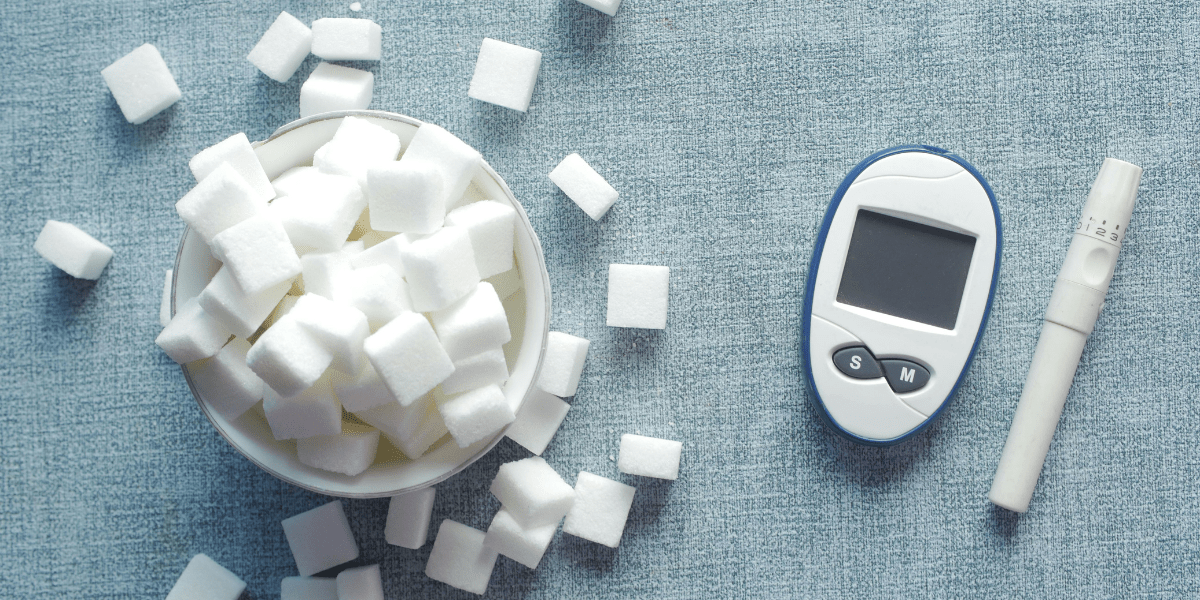
You have just collected your blood test results. There are numbers on the page, possibly with a "normal" or "high" flag next to them. But what do those numbers actually mean? How high is too high? What counts as borderline? And what should you do if your result falls somewhere in between?
Blood sugar readings are among the most commonly tested markers in routine health screening, yet they are also among the most misunderstood. Most people know that high blood sugar is associated with diabetes. Fewer understand what "high" actually means, how different tests measure different things, or why a single number on a lab report does not tell the full story.
This guide explains the main blood sugar tests used in Singapore, what the numbers mean, and how to interpret your results in context.
Find out your blood sugar level
Patient-first, Holistic, Dedicated Healthcare
Fasting Blood Glucose: Your Baseline Reading
A fasting blood glucose test measures the amount of glucose in your blood after you have not eaten for at least eight hours, typically overnight. It reflects your body's baseline ability to regulate blood sugar without the influence of a recent meal.
In Singapore, fasting blood glucose is measured in millimoles per litre (mmol/L). The ranges are straightforward.
- Below 6.1 mmol/L is considered normal - Your body is regulating glucose effectively at rest, and there is no clinical concern at this level.
- Between 6.1 and 6.9 mmol/L falls in the prediabetic range - This means your fasting blood sugar is elevated beyond what is considered healthy, but not yet high enough to be classified as diabetes. It is a warning sign, and one that deserves attention.
- A result of 7.0 mmol/L or higher indicates diabetes - If this is your first elevated result, your doctor will typically recommend a repeat test or an additional test such as an HbA1c to confirm the diagnosis, since a single reading can occasionally be influenced by stress, illness, or other temporary factors.
The most important thing to understand about fasting glucose is that it is a snapshot. It tells you what your blood sugar was doing at the moment the blood was drawn. It does not tell you what happened after yesterday's lunch or during the night. For a broader picture, your doctor will usually look at your HbA1c alongside it.
HbA1c: The Bigger Picture
HbA1c stands for glycated haemoglobin. It measures the percentage of haemoglobin in your red blood cells that has glucose attached to it. Because red blood cells have a lifespan of roughly two to three months, your HbA1c result reflects your average blood sugar over that entire period rather than at a single moment.
This makes HbA1c particularly useful for identifying patterns. A normal fasting glucose result combined with an elevated HbA1c, for instance, might suggest that your blood sugar is spiking significantly after meals even though it returns to a normal baseline overnight. Without the HbA1c, that pattern would be invisible.
- An HbA1c below 5.7 per cent is considered normal
- A result between 5.7 and 6.4 per cent suggests prediabetes
- A result of 6.5 per cent or higher is consistent with diabetes
Though in Singapore, some clinical guidelines use a threshold of 7.0 per cent and recommend further confirmatory testing with fasting glucose or an oral glucose tolerance test for results in the 6.1 to 6.9 per cent range.
One advantage of HbA1c is that it does not require fasting. It can be done at any time of day regardless of when you last ate. This makes it convenient and also means the result is less likely to be affected by what you had for dinner the night before or how well you slept.
However, HbA1c is not perfect for everyone. Certain conditions can affect the accuracy of the result, including anaemia, recent blood transfusions, and some haemoglobin variants. If you have any of these, your doctor may rely more on fasting glucose or an oral glucose tolerance test instead.
Post-Meal Blood Sugar: The Hidden Spikes

Fasting glucose and HbA1c are the two tests most commonly included in routine health screening packages. But there is a third measure that can reveal something neither of those tests captures well: your blood sugar after eating.
- Post-meal blood sugar, sometimes called postprandial glucose, is measured two hours after you begin a meal. In a healthy individual, blood sugar rises after eating and then returns to baseline within about two hours. A reading below 7.8 mmol/L at the two-hour mark is considered normal. A reading between 7.8 and 11.0 mmol/L suggests impaired glucose tolerance, which is another form of prediabetes. A reading of 11.1 mmol/L or higher at two hours indicates diabetes.
- Post-meal spikes matter because some people maintain normal fasting glucose while experiencing significant glucose surges after eating. This is particularly common in the early stages of insulin resistance, when the body can still bring blood sugar back to baseline overnight but struggles to manage the rapid influx of glucose from a carbohydrate-heavy meal. If only fasting glucose is tested, this pattern goes undetected.
An oral glucose tolerance test (OGTT) is the clinical version of this. You fast overnight, drink a standardised glucose solution at the clinic, and have your blood drawn two hours later. It is the most sensitive test for detecting early glucose intolerance and is sometimes recommended by your doctor if your fasting glucose or HbA1c falls in the borderline range.
For people who want to understand their post-meal patterns in everyday life rather than in a clinical setting, continuous glucose monitoring (CGM) provides real-time tracking of how your body responds to the foods you actually eat, the exercise you actually do, and the sleep you actually get.
Why Context Matters More Than Any Single Number
Blood sugar results are not meant to be interpreted in isolation. Your doctor considers them alongside your age, family history, weight, ethnicity, lifestyle, and other metabolic markers such as cholesterol, blood pressure, and kidney function.
A fasting glucose of 6.0 mmol/L in a 30 year old with no family history of diabetes and a healthy weight is a very different clinical picture from a fasting glucose of 6.0 mmol/L in a 55 year old with a family history of Type 2 diabetes, a sedentary lifestyle, and a waist circumference above recommended levels. The number is the same. The implications are not.
This is why a diabetes screening test is most valuable when it is part of a broader health conversation rather than a standalone data point. At Regis Medical, our Doctors review your results in the context of your overall health profile and discuss what your numbers mean for you specifically, not just where they fall on a reference chart.
When to Get Tested
If you have never had your blood sugar checked, or if it has been more than a year since your last test, it is worth scheduling one. This is especially true if you are over 40, have a family history of diabetes, are overweight, or belong to an ethnic group with higher diabetes prevalence in Singapore.
For those already enrolled in Healthier SG, blood sugar testing is typically part of your recommended preventive care plan. If you are not enrolled, a health screening at our clinic includes fasting glucose and HbA1c alongside other key markers.
Understanding your blood sugar is not about memorising numbers. It is about knowing where you stand so you can make informed decisions about your health. Whether your results come back normal, borderline, or elevated, our Doctors are here to explain what they mean and what, if anything, needs to happen next.
Find out your blood sugar level
Patient-first, Holistic, Dedicated Healthcare
Medical Disclaimer & Limitation of Liability
The content provided in this post is strictly for informational and educational purposes. Just as we fiercely defend our right to publish general health information, we establish an uncompromising boundary: this material is never a substitute for personalised, professional medical advice, diagnosis, or treatment.
Reading this content does not establish a doctor-patient relationship. You possess the sovereign right and responsibility to manage your own health, which means you must consult your own qualified physician before making any medical decisions based on what you read here. We explicitly disclaim all medicolegal liability for any injury, loss, or risk incurred directly or indirectly from the misinterpretation, misuse, or out-of-context application of our online content. Your health is your responsibility; seek individual professional care.