Can Diabetes Be Reversed? What Lifestyle Changes and Medication Can Realistically Do
Last updated: 25 Aug 2026
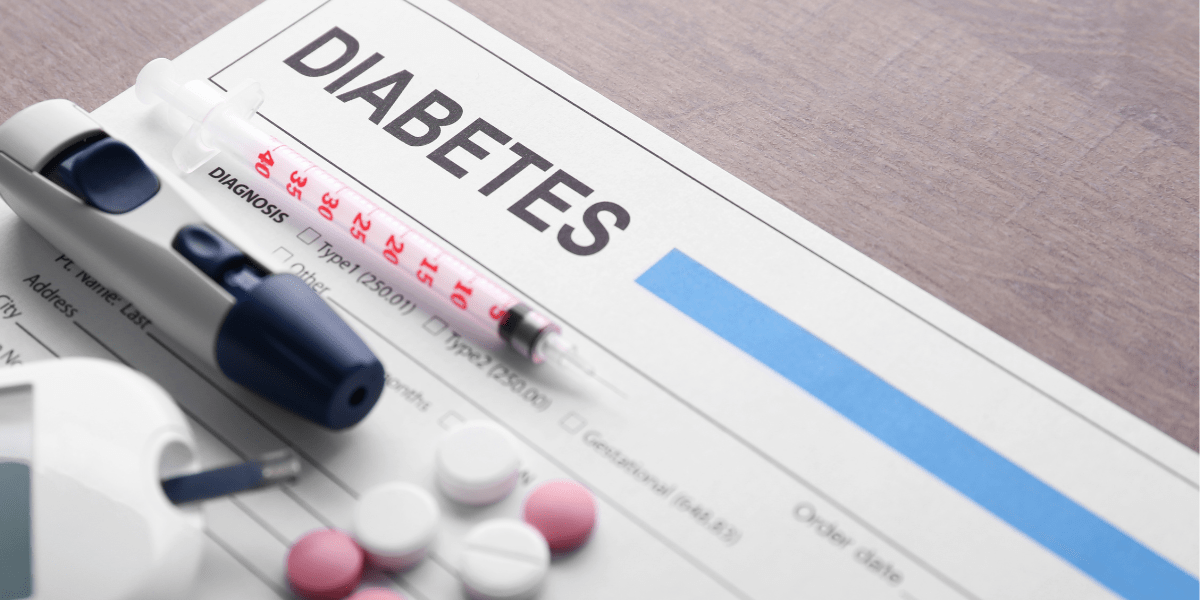
If you have been diagnosed with Type 2 diabetes or prediabetes, this is probably the first question you typed into a search engine or AI. Can I actually reverse this?
The honest answer is: it depends on what you mean by "reverse." If you mean returning to a state where your blood sugar is consistently normal without medication, yes, that is achievable for a meaningful number of people. If you mean curing diabetes permanently so that it can never return regardless of what you do, no, the evidence does not support that claim.
The clinical community now uses the term "remission" rather than "reversal." The distinction is important. Remission means your blood sugar has returned to below the diabetic threshold and remained there for at least three months without glucose-lowering medication. It does not mean the underlying susceptibility has disappeared. If the habits that produced remission are abandoned, blood sugar will typically rise again.
This is not a reason for discouragement. It is a reason for clarity. Understanding what is realistically achievable helps you set meaningful goals and sustain them.
Find out more about your health
Patient-first, Holistic, Dedicated Healthcare
What Does Remission Actually Mean?
In 2021, an international consensus group including the American Diabetes Association, the European Association for the Study of Diabetes, and Diabetes UK defined Type 2 diabetes remission as an HbA1c below 6.5 per cent (48 mmol/mol) sustained for at least three months without the use of any glucose-lowering medication.
In 2025, the ICD-10 medical coding system introduced a new code specifically for Type 2 diabetes in remission. This is significant because it means the medical establishment now formally recognises that diabetes remission is a legitimate clinical outcome, not just an optimistic aspiration.
Remission is not the same as cure. A person in remission still has a metabolic predisposition to elevated blood sugar. Their pancreatic beta cells may have reduced capacity. Their cells may still have some degree of insulin resistance. But their blood sugar is functioning within a healthy range, and they are not on medication. For practical purposes, they are living without diabetes.
The Evidence: What Actually Works
Research over the past decade has produced clear evidence about what leads to Type 2 diabetes remission and what does not.
Weight loss is the single most powerful intervention.
The landmark DiRECT study conducted across 49 primary care practices in the United Kingdom remains the strongest evidence. Participants with Type 2 diabetes (diagnosed within the past six years) were placed on an intensive weight management programme. At 12 months, 46 per cent of participants in the intervention group achieved diabetes remission. At 24 months, more than a third maintained remission.
The results showed a direct relationship between the amount of weight lost and the likelihood of remission. Among participants who lost 15 kg or more, remission rates were striking. Among those who lost less than 5 kg, remission was rare.
This finding has been replicated across multiple studies and populations. Weight loss, particularly loss of visceral fat stored around internal organs, reduces insulin resistance at its source. When insulin resistance decreases sufficiently, the pancreas can keep up with demand, and blood sugar normalises.
How much weight loss is needed?
The evidence suggests that a loss of 10 to 15 per cent of body weight produces the best outcomes. For a person weighing 85 kg, that means losing approximately 8.5 to 12.7 kg. This is substantial but achievable over 6 to 12 months with sustained dietary change and increased physical activity.
The method of weight loss matters less than the magnitude. Low calorie diets, carbohydrate-restricted diets, Mediterranean-style eating patterns, and structured meal replacement programmes have all produced remission in clinical trials. What they share in common is meaningful caloric reduction sustained over months, not a specific macronutrient ratio.
Physical activity improves insulin sensitivity independently of weight loss.
Exercise makes your muscles more responsive to insulin. This means glucose is cleared from the bloodstream more efficiently, even if you have not lost significant weight. Both aerobic activity (walking, cycling, swimming) and resistance training (weights, bodyweight exercises) are effective, and the combination produces the best results.
The recommended target is 150 minutes of moderate activity per week plus resistance training two to three times per week. But any increase from baseline is beneficial. If you are currently sedentary, walking 30 minutes a day is a powerful first step.
Sleep and stress management contribute more than most people realise.
Poor sleep impairs insulin sensitivity. Studies show that sleeping fewer than six hours per night significantly worsens glucose control, even in people who eat well and exercise. Chronic stress elevates cortisol, which promotes abdominal fat storage and raises blood sugar. Addressing sleep and stress is not a luxury. It is a core part of diabetes management.
The Critical Factor: Timing
If there is one variable that predicts whether remission is possible, it is how long you have had diabetes.
The DiRECT study and subsequent research consistently show that people diagnosed within the past six years are far more likely to achieve remission than those who have been diabetic for longer. This is because the pancreatic beta cells that produce insulin progressively deteriorate over time. In the early stages of diabetes, these cells are stressed but still functional. Reducing the demand on them (through weight loss and reduced insulin resistance) allows them to recover.
After many years of diabetes, beta cell function declines to a point where recovery becomes increasingly unlikely, even with significant weight loss. This does not mean lifestyle change is pointless in long-standing diabetes. It still improves blood sugar control, reduces medication requirements, and lowers cardiovascular risk. But full remission becomes less probable.
This is why early detection matters so profoundly. Catching prediabetes or early diabetes through routine screening gives you the widest window for remission. Every year that passes without diagnosis is a year of beta cell decline that cannot be undone.
What About Medication?
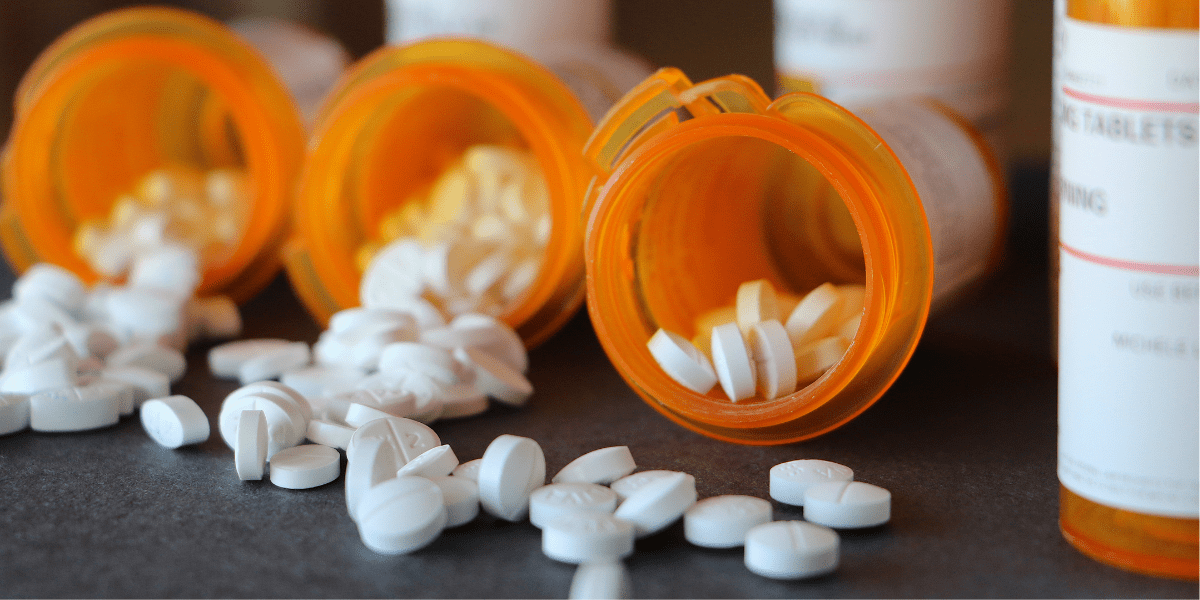
Diabetes medication plays an important but supporting role in the remission picture.
- Metformin - The most commonly prescribed diabetes medication, improves insulin sensitivity and lowers blood sugar. It is safe, well tolerated, and effective. However, metformin alone rarely produces remission. It manages blood sugar rather than addressing the root cause.
- GLP-1 receptor agonists (such as semaglutide and liraglutide) have shown promising results for diabetes remission because they promote significant weight loss alongside direct blood sugar improvement. These medications are increasingly being considered as part of remission-focused treatment strategies, particularly for patients who struggle to achieve sufficient weight loss through lifestyle changes alone.
- Insulin is sometimes needed in the short term to bring very high blood sugar under control. Once blood sugar is stabilised, the focus can shift to lifestyle changes and oral medications with the goal of reducing or eventually discontinuing insulin.
The honest picture is this: medication can be an essential bridge. It can bring blood sugar into a manageable range while you implement the lifestyle changes that address the underlying cause. For some people, medication will always be needed. For others, it can be gradually reduced and eventually stopped as lifestyle changes take effect. Your doctor will guide this process based on your individual response.
What Remission Looks Like in Practice
A person in diabetes remission is not someone who "used to have diabetes and now doesn't." They are someone who actively maintains the conditions that keep their blood sugar in a healthy range.
This means maintaining a healthy weight. It means continuing to exercise regularly. It means eating in a way that does not overwhelm their insulin response. It means monitoring their blood sugar periodically through blood tests to confirm that remission is being sustained.
Some people find continuous glucose monitoring helpful during and after the remission process. Seeing in real time how different foods, activities, and sleep patterns affect blood sugar provides a powerful feedback loop that makes sustained change easier to maintain.
A Realistic Framework for Expectations
Not everyone with Type 2 diabetes will achieve full remission. But everyone can improve their metabolic health. Here is a realistic framework:
- Prediabetes - Remission rates with lifestyle change alone are very high. Research consistently shows that more than 50 per cent of people with prediabetes can return to normal blood sugar levels with sustained lifestyle change. This is the stage with the highest return on effort.
- Early Type 2 diabetes (diagnosed within six years) - Remission is achievable for a significant proportion of people, particularly those who achieve 10 per cent or more weight loss. The DiRECT study showed 46 per cent remission at 12 months.
- Established Type 2 diabetes (diagnosed more than six years ago) - Full remission becomes less likely, but meaningful improvements in blood sugar control, medication reduction, and cardiovascular risk are still achievable.
- Type 1 diabetes - Remission is not possible through lifestyle change or medication. Type 1 diabetes is an autoimmune condition requiring lifelong insulin therapy.
Where to Start
If you have prediabetes, early diabetes, or metabolic syndrome, the most important step is a comprehensive assessment of where you stand today. This means a health screening that includes fasting glucose, HbA1c, lipid panel, blood pressure, and waist circumference. Understanding your full metabolic picture allows you and your doctor to set realistic goals and build a management plan that matches your situation.
At Regis Medical, we approach diabetes management as a partnership. Our Doctors take the time to understand your lifestyle, your challenges, and your goals. Whether your aim is full remission or better control with fewer medications, the conversation starts with understanding your numbers and building a plan that works for your life.
Diabetes remission is not a miracle. It is an evidence-based outcome that requires sustained effort and early action. The earlier you start, the more achievable it becomes.
Find out more about your health
Patient-first, Holistic, Dedicated Healthcare
Medical Disclaimer & Limitation of Liability
The content provided in this post is strictly for informational and educational purposes. Just as we fiercely defend our right to publish general health information, we establish an uncompromising boundary: this material is never a substitute for personalised, professional medical advice, diagnosis, or treatment.
Reading this content does not establish a doctor-patient relationship. You possess the sovereign right and responsibility to manage your own health, which means you must consult your own qualified physician before making any medical decisions based on what you read here. We explicitly disclaim all medicolegal liability for any injury, loss, or risk incurred directly or indirectly from the misinterpretation, misuse, or out-of-context application of our online content. Your health is your responsibility; seek individual professional care.