Foods That Spike Blood Sugar: What Singaporean Hawker Meals Do to Your Blood Glucose
Last updated: 25 Aug 2026
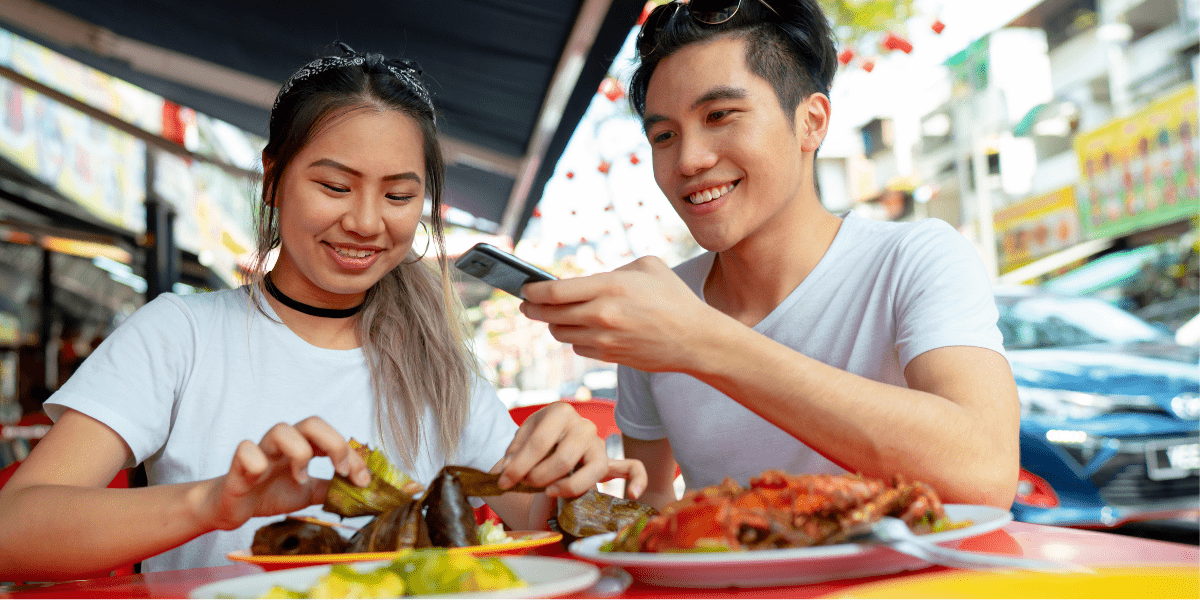
Singaporeans eat out more than almost any other population in the world, and hawker centres are at the heart of that culture. Chicken rice for lunch, char kway teow for dinner, kopi with condensed milk at 3pm. It is affordable, convenient, and deeply woven into daily life.
It is also, from a blood sugar perspective, built almost entirely on refined carbohydrates.
This is not a criticism of hawker food. It is a reality that anyone managing prediabetes, diabetes, or metabolic syndrome needs to understand. Singapore's National Nutrition Survey found that only 4 per cent of staples consumed by Singaporean adults are wholegrain, against a recommended 30 per cent. The remaining 96 per cent is refined white rice, white noodles, and white bread, all of which convert rapidly into glucose once digested.
Understanding which hawker meals spike blood sugar the hardest, and which ones are gentler, allows you to make better choices without abandoning the food you grew up with.
Find out your blood sugar level
Patient-first, Holistic, Dedicated Healthcare
How Food Affects Blood Sugar: A Quick Primer
When you eat carbohydrates, your body breaks them down into glucose, which enters your bloodstream. How fast this happens depends on the type of carbohydrate, the amount of fibre present, and what else you eat alongside it (protein, fat, and vegetables all slow digestion).
The glycemic index (GI) ranks foods on a scale of 0 to 100 based on how quickly they raise blood sugar. Pure glucose scores 100. Foods with a GI of 70 or above are considered high GI, meaning they cause rapid spikes. Foods below 55 are low GI, producing a slower, more gradual rise.
In 2021, researchers from Singapore's Agency for Science, Technology and Research (A*STAR), led by Professor Jeyakumar Henry at the Singapore Institute of Food and Biotechnology Innovation (SIFBI), published the first comprehensive glycemic index database for Asian and non-Western foods, covering 940 items from 16 countries. For the first time, Singaporeans could see exactly how local favourites compare.
Some of the results were surprising.
The Biggest Offenders at the Hawker Centre
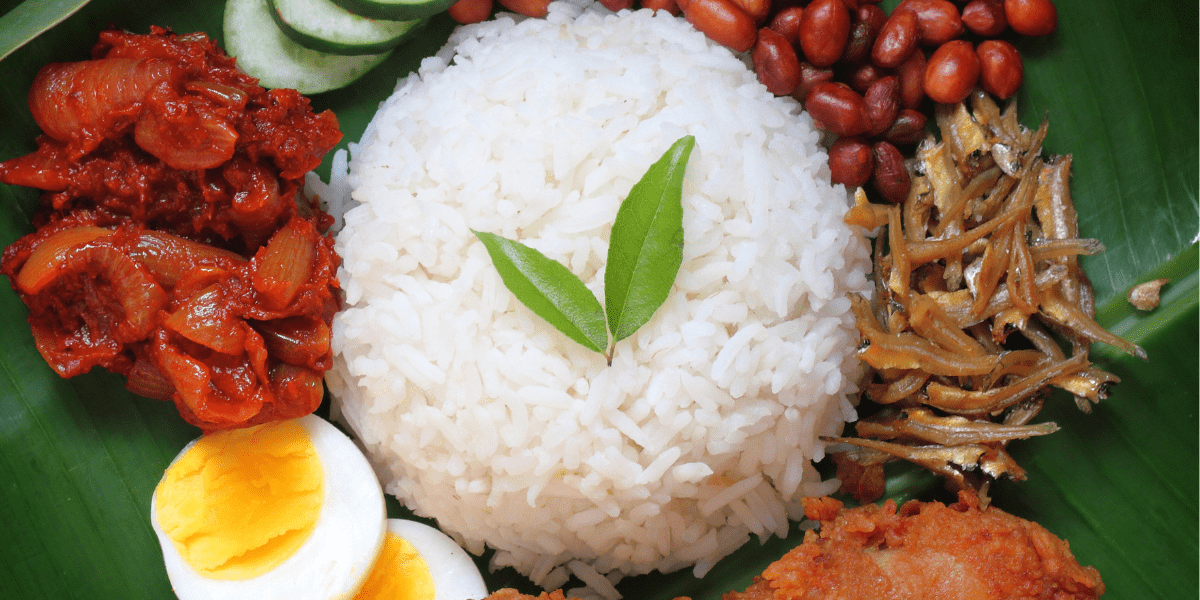
Nasi Lemak: GI of approximately 100
This is not a typo. Nasi lemak, one of Singapore's most beloved dishes, scores a glycemic index equivalent to pure glucose. The coconut milk-infused white rice is the primary driver. Add the sweet sambal, fried chicken or wing, and a portion of ikan bilis, and you have a meal that sends blood sugar soaring. The coconut milk itself has a very high GI, and when combined with white rice, the effect is compounded.
This does not mean you can never eat nasi lemak again. But if you have prediabetes or diabetes, this is the hawker meal that demands the most caution.
Char Kway Teow: Double Impact
Char kway teow combines two blood sugar challenges: flat rice noodles (refined carbohydrate with a GI of 60 to 85 depending on preparation) and dark sweet sauce that adds simple sugars. A typical hawker plate contains a large portion of noodles fried in lard, with relatively little protein or fibre to slow digestion. The result is a rapid, sustained glucose spike.
Economy Rice (Cai Fan): The Hidden Trap
Economy rice is deceptive because it feels like a balanced meal. You choose your dishes, you add vegetables, you feel virtuous. But the foundation is invariably a generous mound of white rice, often two scoops or more. Add a sweet and sour pork, sambal kangkong glazed with sugar, and a curry dish, and the carbohydrate load is substantial. The sweetened sauces that make economy rice so flavourful are themselves significant contributors to glucose response.
Chee Cheong Fun: Simpler Than You Think
Plain rice noodle rolls might seem light, but they are essentially sheets of refined rice flour. Drenched in the standard sweet soy and sesame sauce, the GI climbs further. The absence of protein, fat, or fibre in a plain plate of chee cheong fun means there is almost nothing to slow glucose absorption.
Roti Prata: Refined Flour and Ghee
Roti prata is made from refined white flour, stretched and fried in ghee. The refined flour produces a rapid glucose response, and dipping it in sugar or eating it with a sweetened curry adds to the load. Plain prata has a lower GI than nasi lemak, but the moment you add fillings (cheese, egg with cheese, banana, chocolate), the picture changes.
Kopi and Teh: The Liquid Factor
This is easily overlooked. A standard kopi or teh from a hawker stall is made with sweetened condensed milk and sometimes additional sugar. A single cup can contain 20 to 30 grams of sugar. If you drink two or three cups a day, the cumulative glucose impact is significant, and it happens in liquid form, which means absorption is rapid.
The Surprising Low-GI Options
Not everything at the hawker centre spikes blood sugar equally. Some dishes perform far better than you would expect.
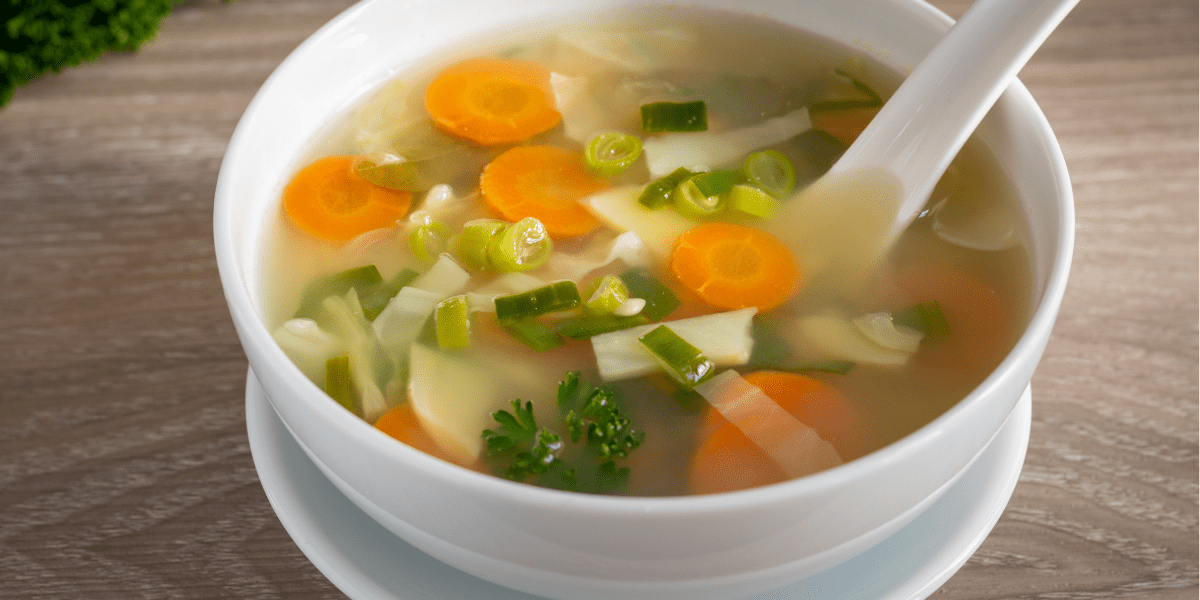
Bee Hoon (Fried): GI of approximately 35
This was one of the more surprising findings from the SIFBI research. Fried bee hoon has a relatively low GI despite being a rice noodle. The likely reason is that the cooking oil slows gastric emptying, and the thin noodles have a different starch structure than flat rice noodles. Paired with vegetables and protein (fish, chicken, tofu), fried bee hoon is one of the more blood-sugar-friendly hawker options.
Fish Soup with Bee Hoon or Rice
Fish soup stalls are among the best hawker options for blood sugar management. The protein from the fish slows glucose absorption significantly. The broth-based soup adds volume without carbohydrates. If you ask for less noodles or rice and more vegetables, this becomes a genuinely balanced meal.
Yong Tau Foo
This is the hawker centre's most customisable meal, and that is its advantage. You choose your own ingredients. Loading up on tofu, leafy greens, mushrooms, bitter gourd, and egg, while keeping noodles or rice to a minimum, produces a low-GI meal with good protein and fibre content. The key is to go easy on the sweet sauce and choose soup-based over fried.
Thunder Tea Rice (Lei Cha Fan)
A traditional Hakka dish that is increasingly available at hawker centres. Thunder tea rice features a mix of vegetables, tofu, peanuts, and preserved vegetables over rice, with a savoury green tea broth. The combination of fibre, protein, and fat from the nuts slows glucose absorption considerably. If you swap white rice for brown rice where available, this becomes one of the lowest GI hawker meals you can find.
Sliced Fish Soup (Without Rice)
Ordering sliced fish soup without rice or noodles and adding extra vegetables gives you a high-protein, very low carbohydrate meal. This is as blood-sugar-friendly as hawker food gets.
Practical Strategies at the Hawker Centre
You do not need to overhaul your diet overnight. Small, consistent changes at the hawker centre make a measurable difference to your blood sugar levels over time.
- Ask for less rice - Most stall owners will give you half a portion if you ask. This single change reduces the carbohydrate load of almost any rice-based meal by 40 to 50 per cent.
- Choose brown rice where available - More hawker stalls now offer brown rice. It has a lower GI and contains fibre that slows glucose absorption. The taste takes getting used to, but the metabolic difference is real.
- Pair carbohydrates with protein - Protein slows the digestion of carbohydrates and blunts the glucose spike. Adding a fried egg, extra tofu, or a portion of grilled chicken to your meal makes a measurable difference.
- Eat vegetables first - Starting your meal with vegetables or soup before eating rice or noodles has been shown to reduce post-meal glucose spikes. The fibre and water content slow gastric emptying.
- Switch your kopi - Ordering kopi-o kosong (black coffee without sugar) or kopi-o siew dai (less sugar) instead of standard kopi with condensed milk eliminates 20 to 30 grams of sugar per cup. Over three cups a day, that is a substantial reduction.
- Watch the sauces - Sweet chilli sauce, dark sweet sauce, ketchup, and sambal with added sugar are all significant glucose contributors. Asking for less sauce or choosing soy-based alternatives reduces the load.
How to Know What Your Meals Are Doing to You
General GI values are useful guides, but everyone's glucose response to food is slightly different. Genetics, gut microbiome, insulin sensitivity, sleep quality, stress levels, and even the order in which you eat your food all influence how your body processes a specific meal.
If you want to understand exactly how your favourite hawker meals affect your blood sugar, continuous glucose monitoring (CGM) provides that level of detail. A small wearable sensor tracks your glucose throughout the day, showing you in real time what happens after your chicken rice, your char kway teow, or your afternoon kopi. The data is personal, specific, and often eye-opening.
At Regis Medical, our Doctors can guide you on whether a period of CGM monitoring would be helpful in understanding your dietary patterns and tailoring your food choices to your actual glucose response.
Your Food Culture Is Not the Enemy
Singapore's hawker food is not inherently unhealthy. It is a cuisine designed for a different era, when physical labour was more common and metabolic disease was less prevalent. The challenge today is that our food culture has not evolved at the same pace as our lifestyles.
The goal is not to stop eating at hawker centres. It is to eat there with awareness. Knowing that nasi lemak spikes your blood sugar like pure glucose does not mean you never eat it. It means you choose it deliberately and less frequently, and on the days you do, you balance the rest of your meals accordingly.
If you are concerned about how your diet is affecting your blood sugar, start with a diabetes screening test. A simple fasting glucose and HbA1c will tell you where you stand. From there, our Doctors can help you build a practical eating plan that works within Singapore's food landscape, not against it.
Find out your blood sugar level
Patient-first, Holistic, Dedicated Healthcare
Medical Disclaimer & Limitation of Liability
The content provided in this post is strictly for informational and educational purposes. Just as we fiercely defend our right to publish general health information, we establish an uncompromising boundary: this material is never a substitute for personalised, professional medical advice, diagnosis, or treatment.
Reading this content does not establish a doctor-patient relationship. You possess the sovereign right and responsibility to manage your own health, which means you must consult your own qualified physician before making any medical decisions based on what you read here. We explicitly disclaim all medicolegal liability for any injury, loss, or risk incurred directly or indirectly from the misinterpretation, misuse, or out-of-context application of our online content. Your health is your responsibility; seek individual professional care.