Influenza Season in Singapore: When It Peaks and How to Protect Yourself
by: Dr. Paul Chang – MBBS, GDFM, MBA, General Practitioner, Regis Medical
Last updated: 4 September 2026
Dr Paul Chang of Regis Medical speaks to Mediacorp Channel 8 News about the influenza situation in Singapore — 1 September 2026
If you think influenza season in Singapore follows the same pattern as in the US, Europe, or Australia, you're working with the wrong calendar. Singapore doesn't have a single influenza season. Influenza circulates here year-round, with two recognisable peaks that most people don't know about. This means you can catch the influenza virus in June just as easily as in December. And it means influenza vaccination isn't a seasonal task. It's a year-round priority.
Protect yourself against influenza
Patient-first, Holistic, Dedicated Healthcare
Singapore's Two Influenza Peaks
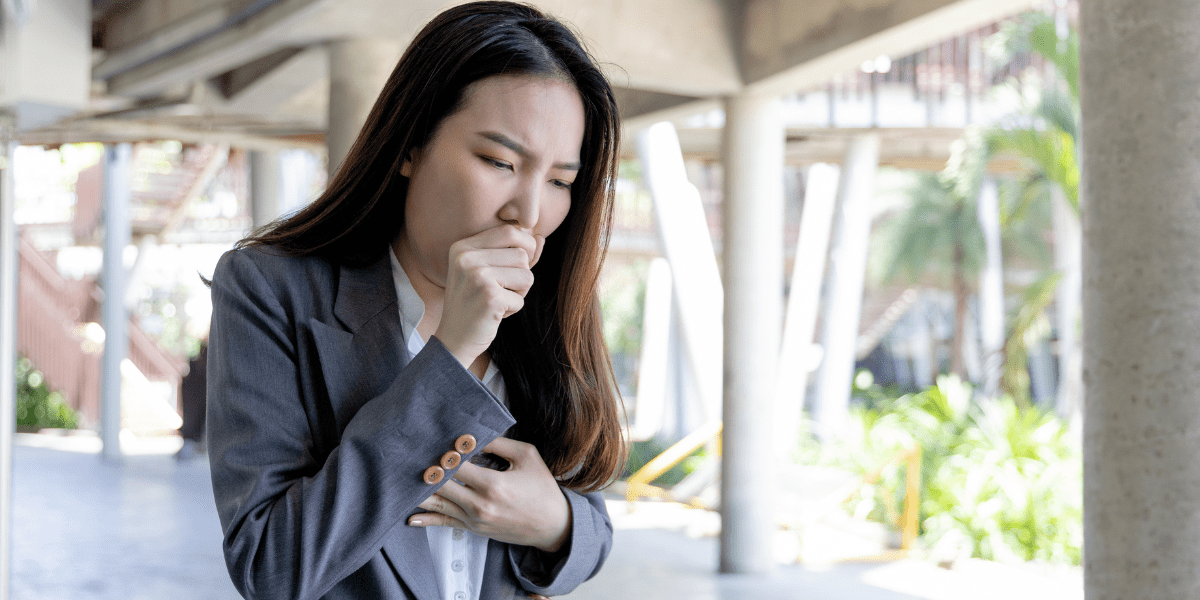
Unlike temperate countries where influenza surges once during winter and virtually disappears during summer, Singapore experiences continuous influenza circulation with two distinct peaks.
Peak 1: May to August (Mid-Year Peak)
The first peak typically occurs between May and August. This surprises most people because there's nothing about Singapore's weather in June that feels like "flu weather." There's no cold snap, no change in temperature, no obvious trigger. Yet influenza cases rise consistently during this period.
This mid-year peak partly corresponds to the end of the Southern Hemisphere's winter influenza season. As influenza circulates in Australia, New Zealand, and parts of South America, strains travel northward through Southeast Asia. Singapore's position as a global travel hub means these strains arrive early and circulate broadly.
Peak 2: December to March (Year-End Peak)
The second peak typically occurs between December to March. This partly overlaps with the Northern Hemisphere winter flu season. As influenza surges in the US, Europe, China, Japan, and Korea, strains travel southward and arrive in Singapore through returning travellers, business visitors, and transit passengers.
This peak is also amplified by the holiday travel season. Singaporeans travelling to temperate countries for Christmas and New Year holidays are exposed to active influenza seasons abroad and return carrying new strains.
Between the Peaks: Flu Still Circulates
The periods between peaks (roughly February to April and September to November) aren't flu-free. Influenza cases continue throughout these months, just at lower levels. You can catch the influenza virus in March or September. The peaks represent higher risk, not exclusive risk.
Why Influenza Circulates Year-Round in Singapore
Several factors specific to Singapore create conditions for continuous influenza transmission.
Air-Conditioned Indoor Environments
Singapore's tropical heat drives people indoors into air-conditioned spaces for most of the day. Offices, shopping malls, MRT trains, cinemas, and restaurants are all enclosed, climate-controlled environments where people gather in close proximity.
This creates conditions remarkably similar to winter indoors in temperate countries. Cool, dry, recirculated air. Close contact with others. Limited ventilation. These are ideal conditions for respiratory virus transmission, including influenza.
The irony is that Singapore's response to tropical heat (moving indoors into air conditioning) recreates the environmental conditions that drive flu transmission in countries where cold weather pushes people indoors during winter.
Global Travel Hub
Singapore's Changi Airport handles tens of millions of passengers annually from every region of the world. Influenza strains from the Northern Hemisphere, Southern Hemisphere, and other tropical regions continuously arrive through travellers. This constant influx of diverse influenza strains means Singapore is never truly "between" flu seasons. New strains are always arriving.
Population Density
Singapore's high population density, crowded public transport, and communal living arrangements create close contact between people throughout the day. MRT trains during rush hour, hawker centres during lunchtime, and HDB common areas all facilitate transmission.
School and Childcare Environments
Children are efficient influenza transmitters. Singapore's school system, childcare centres, and enrichment classes bring children into close contact regularly. Children catch flu, bring it home, and transmit it to parents and grandparents. This chain of transmission operates year-round because schools operate year-round (with breaks that can either reduce or amplify transmission depending on travel patterns).
When to Get Your Influenza Vaccine in Singapore
Because flu circulates year-round in Singapore, there's no single "best time" to get vaccinated the way there is in temperate countries (where people typically vaccinate in autumn before the winter season).
However, understanding the two-peak pattern can help you time your vaccination strategically.
Ideal Timing
The flu vaccine takes approximately two weeks to provide full protection after injection. If you want to be protected before the mid-year peak (May to August), getting vaccinated in March or April gives you coverage in time.
If you want to be protected before the year-end peak (December to March), getting vaccinated in October or November is ideal.
Any Time Is a Good Time
If you haven't been vaccinated yet this year, don't wait for the "right" timing. Protection within two weeks of vaccination means you're covered for whatever flu activity follows, regardless of where you are in the peak cycle. Getting vaccinated in August still protects you through the year-end peak and beyond.
The worst time to get vaccinated is never. The second worst is "I'll do it next month."
Annual Renewal
The influenza vaccine needs annual renewal for two reasons. First, influenza strains mutate and the vaccine composition is updated each year to match circulating strains. Second, vaccine-induced immunity wanes over time. Annual vaccination ensures your protection stays current against the most relevant strains.
Our Doctors can administer the flu vaccine at our Holland Village or Katong clinic any time of year.
Who Should Be Especially Aware of Singapore's Flu Peaks
Everyone in Singapore is exposed to year-round influenza. But certain groups should pay particular attention during peak periods.
Elderly Adults (65+)
Older adults are at significantly higher risk of flu complications including pneumonia, hospitalisation, and death. The influenza vaccine is strongly recommended, and the pneumococcal vaccine provides additional protection against the bacterial pneumonia that often complicates influenza in elderly patients.
Pregnant Women
Pregnancy increases the risk of severe flu complications. Influenza vaccination is safe during pregnancy and protects both mother and newborn. The newborn receives passive immunity through the mother's antibodies.
People With Chronic Conditions
Diabetes, heart disease, lung disease (including asthma), kidney disease, and immunosuppression all increase flu complication risk. Annual vaccination is particularly important for these groups.
Children
Children under 5 (particularly under 2) are at higher risk of flu complications. They're also efficient transmitters within households. Vaccinating children protects them and reduces transmission to vulnerable family members.
Healthcare Workers
Healthcare workers are exposed to influenza regularly and can transmit it to vulnerable patients. Annual vaccination is recommended for all healthcare staff.
Frequent Travellers
Business and leisure travellers from Singapore are exposed to influenza strains from multiple countries. The enclosed environment of aircraft and the close contact in airports amplify exposure risk. Keeping the influenza vaccine current is particularly important for frequent travellers.
Recognising Flu During Off-Peak Months
One of the practical consequences of year-round flu circulation is that people catch influenza during months when they're not expecting it. A patient who develops sudden fever, severe body aches, and exhaustion in March or September may not suspect influenza because it doesn't "feel like flu season."
Knowing the signs of flu regardless of the month helps you seek appropriate treatment within the 48-hour antiviral window that can shorten your illness.
The key indicators remain the same year-round: sudden onset (hours, not days), high fever, severe body aches, profound exhaustion. If these hit you in August, it's just as likely to be influenza as if they hit you in December.
If you're unsure whether your symptoms are flu or a common cold, our guide on how to tell the difference breaks down the distinction and explains why it matters for treatment decisions. A rapid influenza test at our clinic can confirm the diagnosis within minutes.
September 2026 Influenza Update in Singapore
Patients who are at increased risk of influenza related complications (not exhaustive, but such as persons aged 65 years and older, persons who have chronic lung or heart disorders, persons on immunosuppression or have regular medical follow up for chronic metabolic disorders) should consider receiving the NH (Northern Hemisphere) Influenza Vaccination for the upcoming flu season from December 2026 to March 2027.
Patients in the above category who have received the SH (Southern Hemisphere) Influenza Vaccination this year should still take the upcoming NH Influenza Vaccination, provided that there is at least a minimum 8 week interval between the two doses.
In the meantime, Patients who are high risk who have not received the current SH Influenza Vaccination yet, still has the option of benefitting from SH Influenza Vaccination until the NH Influenza Vaccine stock becomes available.
It would be timely to remember standard contact precautions and social responsibility measures. Examples include:
- Frequent hand washing before and after contact with others
- Wearing a mask if you feel unwell
- Avoiding large social gatherings if you feel unwell
- Socially distance from family members if you feel unwell (as influenza is contagious).
Protecting Yourself Beyond Vaccination
While vaccination is the most effective flu prevention strategy, additional measures reduce your risk, particularly during peak periods.
Hand Hygiene
Regular handwashing with soap and water remains one of the most effective ways to prevent respiratory virus transmission. Influenza spreads through respiratory droplets but also through contaminated surfaces. Washing your hands after public transport, before eating, and after touching shared surfaces reduces your exposure.
Respiratory Etiquette
Covering your mouth when coughing or sneezing (into your elbow, not your hand) reduces transmission to others. If you're unwell with respiratory symptoms, wearing a mask in crowded settings protects people around you.
Staying Home When Unwell
This is particularly important during peak periods. Going to work or school with flu-like symptoms exposes colleagues, classmates, and commuters. Staying home until your fever resolves reduces community transmission.
Maintaining General Health
Adequate sleep, regular physical activity, stress management, and good nutrition support immune function. While these don't prevent flu directly, they help your immune system respond effectively if you are exposed.
Flu Doesn't Follow Your Calendar
Flu in Singapore doesn't take a season off. It circulates year-round, peaks twice, and catches people off guard precisely because they're not expecting it. Understanding this pattern changes how you think about flu prevention. Rather than treating vaccination as a seasonal checkbox, it becomes an annual health priority like your dental check-up or health screening.
The influenza vaccine is available year-round at both our clinics, and protection develops within about two weeks. If you haven't had this year's vaccine, there's no wrong time to get it.
Protect yourself against the flu
Patient-first, Holistic, Dedicated Healthcare
Medical Disclaimer & Limitation of Liability
The content provided in this post is strictly for informational and educational purposes. Just as we fiercely defend our right to publish general health information, we establish an uncompromising boundary: this material is never a substitute for personalised, professional medical advice, diagnosis, or treatment.
Reading this content does not establish a doctor-patient relationship. You possess the sovereign right and responsibility to manage your own health, which means you must consult your own qualified physician before making any medical decisions based on what you read here. We explicitly disclaim all medicolegal liability for any injury, loss, or risk incurred directly or indirectly from the misinterpretation, misuse, or out-of-context application of our online content. Your health is your responsibility; seek individual professional care.