Can You Still Get the Flu After a Flu Vaccine?
by: Dr. Paul Chang – MBBS, GDFM, MBA, General Practitioner, Regis Medical
Last updated: 4 Sep 2026

Yes, you can still get the flu after being vaccinated. That's the honest answer, and it's the one that makes some people question whether vaccination is worth it. But here's what that answer misses: vaccinated flu and unvaccinated flu are fundamentally different experiences. Vaccinated flu is typically shorter, milder, and far less likely to land you in hospital. The vaccine's real value isn't creating a perfect shield. It's changing the severity of what gets through.
Protect yourself against the flu
Patient-first, Holistic, Dedicated Healthcare
Why the Flu Vaccine Isn't 100% Effective
Understanding why breakthrough infection happens helps you appreciate what the vaccine actually does rather than judging it against an impossible standard.
The Flu Virus Mutates Constantly
Influenza is one of the most rapidly mutating viruses. Its surface proteins (hemagglutinin and neuraminidase) shift and drift continuously. This is fundamentally different from viruses like measles or hepatitis B, which are relatively stable and allow vaccines to provide near-complete, long-lasting protection.
Because influenza mutates so quickly, the vaccine needs to be reformulated every season. Scientists predict which strains will dominate the coming season and design the vaccine accordingly. Sometimes the prediction is excellent and the match is strong. Sometimes the virus shifts after the vaccine is manufactured and the match is weaker.
This prediction process is remarkably sophisticated. But it's still a prediction. The flu vaccine's effectiveness at preventing infection varies between approximately 40% and 60% in most years, depending on how well the vaccine strains match the circulating strains.
The Timing Gap
The flu vaccine is manufactured months before each flu season based on surveillance data and strain predictions. Between manufacture and the actual flu season, the virus can mutate further. This timing gap is unavoidable with current vaccine technology and contributes to variable effectiveness.
Individual Immune Response
Everyone's immune system responds to the vaccine differently. Younger adults typically mount stronger immune responses. Older adults and immunocompromised individuals may respond less robustly, though the vaccine still provides meaningful protection even in these groups.
What 40-60% Effectiveness Actually Means
When people hear "the flu vaccine is 40-60% effective," many interpret this as "it doesn't work half the time." This interpretation misunderstands what the number represents and misses the more important measures of effectiveness.
Preventing Infection Is Only One Measure
The 40-60% figure refers to the vaccine's effectiveness at preventing symptomatic influenza infection. This is important, but it's not the whole picture.
Even when the vaccine doesn't prevent infection entirely, it primes your immune system to recognise and fight influenza faster. This means your body mounts a stronger, quicker response when it encounters the virus. The result is milder symptoms, shorter illness, and dramatically fewer complications.
Preventing Severe Outcomes Is Where the Vaccine Excels
Even in years when the flu vaccine is only 40% effective at preventing infection, it reduces flu-related hospitalisations by 50 to 70%. Its effectiveness at preventing flu-related death is even higher.
This means that even in a "bad" vaccine year with weak strain matching, the vaccine still cuts your risk of being hospitalised with flu by more than half. For elderly patients, pregnant women, and people with chronic conditions, this difference can be lifesaving.
Cross-Protection
Even when the vaccine doesn't match circulating strains perfectly, partial matches provide cross-protection. Your immune system recognises similarities between the vaccine strains and the circulating strains, mounting a partial response that reduces severity even if it doesn't prevent infection entirely.
What Vaccinated Flu Actually Looks Like
If you catch flu despite being vaccinated, here's what typically happens compared to unvaccinated flu.
Shorter Duration
Unvaccinated flu typically lasts one to two weeks, with some symptoms (particularly fatigue and cough) persisting for weeks afterward. Vaccinated flu tends to be two to three days shorter, with faster resolution of fever and systemic symptoms.
Milder Symptoms
Vaccinated flu typically involves lower fever, less severe body aches, and less profound exhaustion. You still feel unwell, but the intensity is reduced. Many vaccinated people describe their breakthrough flu as "a bad cold that hit quickly" rather than the debilitating experience of full-blown unvaccinated influenza.
Fewer Complications
This is the most significant difference. Unvaccinated flu carries real risks of pneumonia, myocarditis, secondary bacterial infections, and worsening of chronic conditions like asthma and diabetes. Vaccination reduces the chance of progressing to these complications.
For elderly patients specifically, the difference in complication rates between vaccinated and unvaccinated flu is dramatic. The vaccine doesn't always prevent the infection, but it prevents the dangerous escalation.
Less Transmission
Vaccinated people who catch flu shed less virus and for a shorter period than unvaccinated people. This means you're less likely to transmit flu to family members, colleagues, and other contacts. Vaccination protects not just you but the people around you.
The Vaccine Cannot Give You the Flu
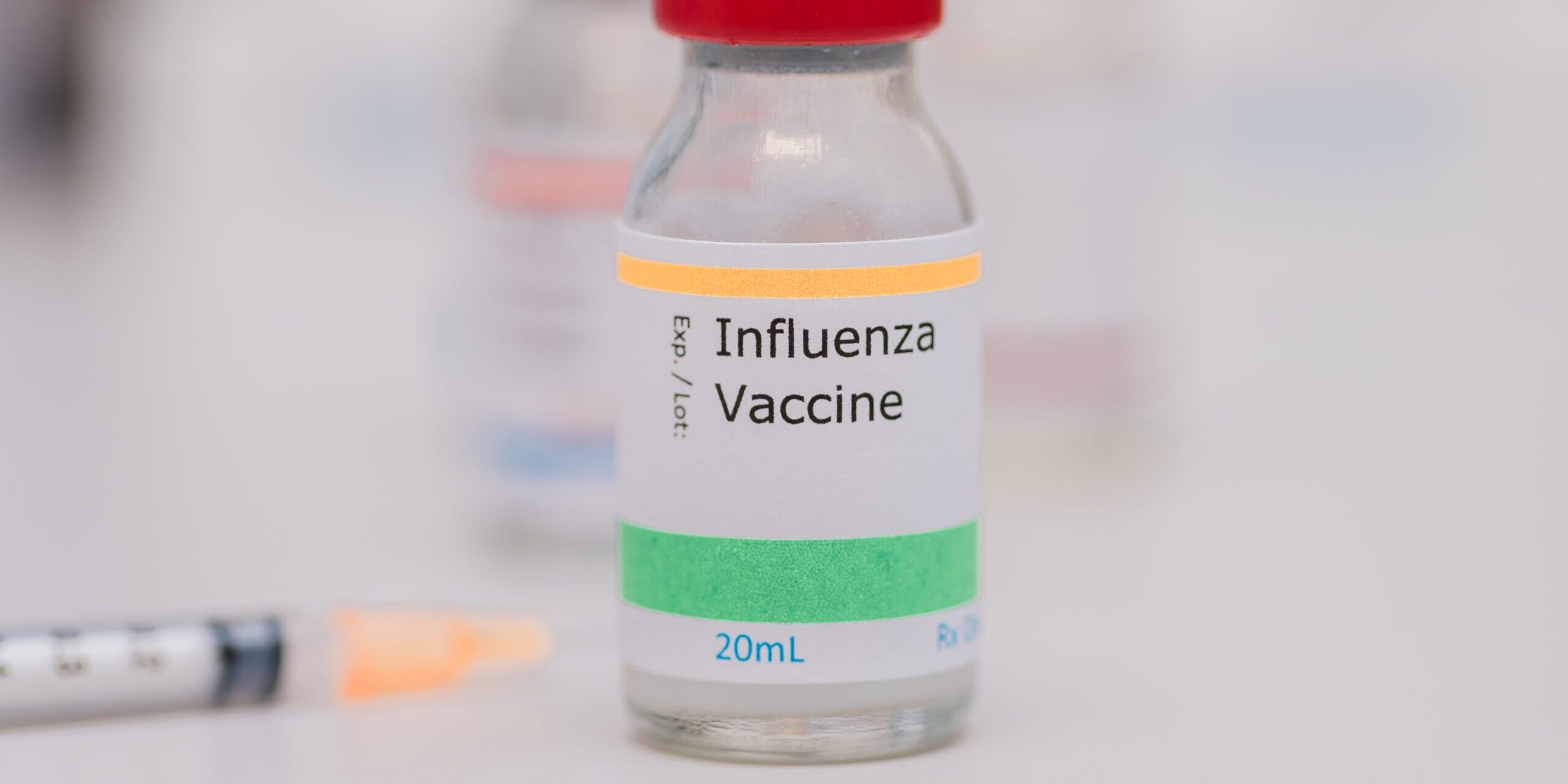
This misconception persists despite being medically impossible with the injectable flu vaccine used in Singapore.
The injectable flu vaccine contains inactivated (killed) virus particles. These particles cannot replicate, cannot infect cells, and cannot cause influenza. It is physically impossible for the injectable flu vaccine to give you the flu.
What does happen is that some people experience mild side effects after vaccination: low-grade fever, fatigue, muscle aches for a day or two. These are immune responses to the vaccine, not influenza infection. They resolve within 24 to 48 hours and are signs that your immune system is building protection.
Some people catch a cold or another respiratory virus around the same time they get vaccinated and attribute their illness to the vaccine. The timing is coincidental. The flu vaccine does not protect against colds, respiratory syncytial virus (RSV), or other non-influenza respiratory infections.
Why Some People Seem to Get Flu Every Year Despite Vaccination
A small number of people report catching flu annually despite consistent vaccination. Several factors may explain this.
Confusing Flu With Other Respiratory Infections
Not every respiratory illness is influenza. The common cold, RSV, parainfluenza, and other viruses cause symptoms that overlap with flu. Without a rapid influenza test, you can't be certain your illness is actually influenza. Many "breakthroughs" are actually different viruses that the flu vaccine doesn't cover.
Singapore's Year-Round Exposure
In Singapore, flu circulates year-round with two peaks. This continuous exposure means more opportunities to encounter influenza compared to temperate countries where flu is absent for half the year. Even vaccinated individuals face more cumulative exposure in tropical settings.
Individual Immune Variation
Some people mount weaker vaccine responses due to age, immunosuppression, stress, or individual immune variation. They benefit from vaccination (milder illness, fewer complications) but may be more susceptible to breakthrough infection.
Strain Mismatch Years
In years when circulating strains differ significantly from vaccine strains, breakthrough infections are more common across all vaccinated populations.
Annual Vaccination Builds Broader Immunity Over Time
Here's something that doesn't get enough attention: people who get vaccinated consistently, year after year, build broader influenza immunity over time.
Each year's vaccine exposes your immune system to different strain variants. Over years, your immune memory accumulates responses to multiple variants. This broader immune repertoire means your body is better equipped to mount at least a partial response to new strains, even when the match isn't perfect.
This cumulative benefit is another reason why annual vaccination matters. Each dose isn't just protecting you for that year. It's contributing to a broader immune foundation that improves your long-term influenza resilience.
What to Do If You Catch Flu Despite Being Vaccinated
If you develop flu symptoms despite vaccination, the same treatment principles apply.
- See a GP within 48 hours of symptom onset. Antiviral medication can still shorten your illness further, even on top of the vaccine's protective effect. A rapid influenza test at our clinic can confirm whether it's actually influenza or another respiratory virus.
- Rest, stay hydrated, and manage symptoms with paracetamol. Monitor for signs of complications (worsening symptoms after initial improvement, chest pain, severe shortness of breath, persistent high fever beyond 5 days).
- If you're in a high-risk group (elderly, pregnant, chronic conditions), see a doctor promptly regardless of vaccination status. Your risk of complications is lower with vaccination, but it's not zero.
The Flu Vaccine Is Worth Getting Every Year
The flu vaccine isn't perfect. No medical intervention is. But it's the single most effective tool available for reducing your risk of severe influenza.
It reduces your chance of catching flu. If you do catch it, it makes your illness milder and shorter. It reduces your risk of complications, hospitalisation, and death. It reduces your transmission to others. And it builds broader immunity over time through annual vaccination.
Judging the flu vaccine solely by whether you caught flu is like judging health insurance solely by whether you got sick. The real value shows up when things go wrong.
Protection Is a Few Minutes Away
The flu vaccine doesn't promise you won't catch flu. It promises that if you do, the experience will be shorter, milder, and far less likely to cause serious complications. That distinction matters more than a percentage on a chart. It's the difference between missing a couple of days and missing a couple of weeks. Between recovering at home and being hospitalised.
The flu vaccine is available year-round at both our clinics and takes a few minutes. If you haven't had this year's dose, there's no reason to wait.
Protect yourself against the flu
Patient-first, Holistic, Dedicated Healthcare
Medical Disclaimer & Limitation of Liability
The content provided in this post is strictly for informational and educational purposes. Just as we fiercely defend our right to publish general health information, we establish an uncompromising boundary: this material is never a substitute for personalised, professional medical advice, diagnosis, or treatment.
Reading this content does not establish a doctor-patient relationship. You possess the sovereign right and responsibility to manage your own health, which means you must consult your own qualified physician before making any medical decisions based on what you read here. We explicitly disclaim all medicolegal liability for any injury, loss, or risk incurred directly or indirectly from the misinterpretation, misuse, or out-of-context application of our online content. Your health is your responsibility; seek individual professional care.