Type 1 vs Type 2 Diabetes in Singapore: What Is the Difference
Last updated: 24 Aug 2026
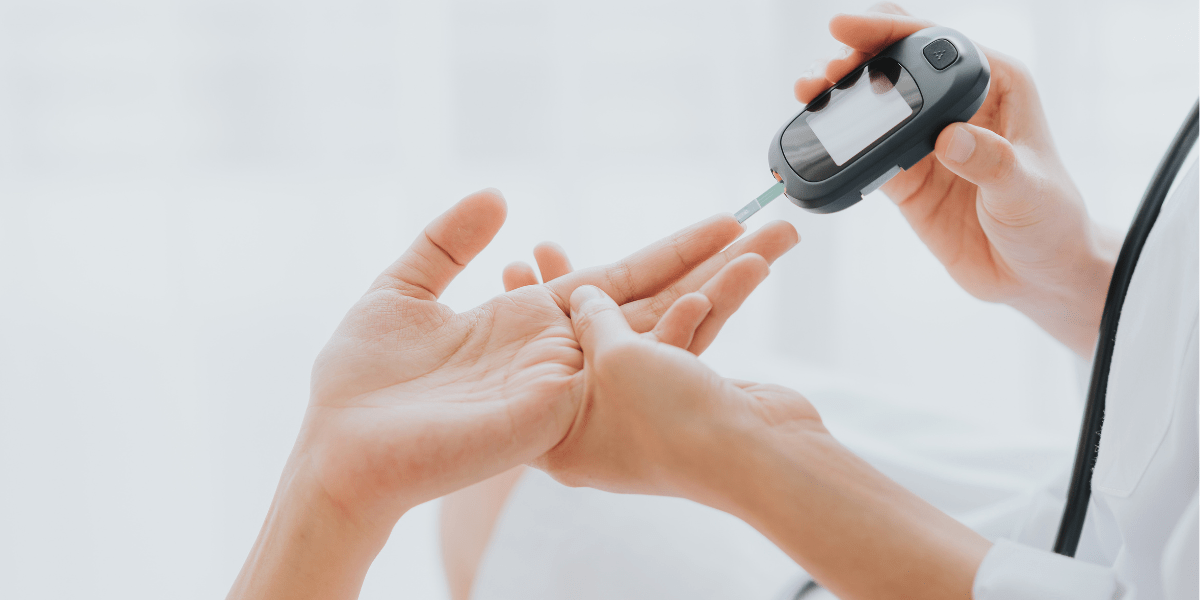
Over 400,000 Singaporeans live with diabetes. One in three has a lifetime risk of developing the condition. By 2050, the number of Singaporeans with diabetes is projected to surpass one million if current trends continue.
These numbers prompted the Ministry of Health to declare a national War on Diabetes in 2016, a whole-of-nation initiative that remains one of Singapore's most significant public health campaigns. But when we talk about "diabetes" in Singapore, we are almost always talking about Type 2 diabetes. And that creates a problem, because Type 1 and Type 2 diabetes are fundamentally different diseases that happen to share a name.
This distinction matters because assumptions based on one type frequently get applied to the other, leading to confusion, misplaced guilt, and sometimes genuinely harmful decisions about treatment.
Test for pre-diabetes and diabetes
Patient-first, Holistic, Dedicated Healthcare
The Core Difference: What Goes Wrong
A fasting blood glucose test measures the amount of glucose in your blood after you have not eaten for at least eight hours, typically overnight. It reflects your body's baseline ability to regulate blood sugar without the influence of a recent meal.
In Singapore, fasting blood glucose is measured in millimoles per litre (mmol/L). The ranges are straightforward.
- Below 6.1 mmol/L is considered normal - Your body is regulating glucose effectively at rest, and there is no clinical concern at this level.
- Between 6.1 and 6.9 mmol/L falls in the prediabetic range - This means your fasting blood sugar is elevated beyond what is considered healthy, but not yet high enough to be classified as diabetes. It is a warning sign, and one that deserves attention.
- A result of 7.0 mmol/L or higher indicates diabetes - If this is your first elevated result, your doctor will typically recommend a repeat test or an additional test such as an HbA1c to confirm the diagnosis, since a single reading can occasionally be influenced by stress, illness, or other temporary factors.
The most important thing to understand about fasting glucose is that it is a snapshot. It tells you what your blood sugar was doing at the moment the blood was drawn. It does not tell you what happened after yesterday's lunch or during the night. For a broader picture, your doctor will usually look at your HbA1c alongside it.
The Singapore Picture: Who Gets Each Type
Type 2 diabetes dominates Singapore's diabetes landscape. Data from the Diabcare Singapore study found that 91 per cent of diabetes cases in Singapore are Type 2. The International Diabetes Federation estimates adult diabetes prevalence in Singapore at 11.4 per cent, one of the highest among developed nations.
Type 2 diabetes in Singapore has strong ethnic and age-related patterns. Prevalence almost doubles with each successive decade, rising from 1.9 per cent among those aged 30 to 39, to 21.8 per cent among those aged 60 to 69, and 24.2 per cent among adults aged 70 to 74. Singaporeans of Indian and Malay descent have significantly higher prevalence rates than those of Chinese descent.
Type 1 diabetes is rare in Singapore. The childhood incidence is approximately 2.46 per 100,000 children aged 0 to 12 years, which is low compared to Northern European populations where Type 1 is far more common. Type 1 accounts for roughly 5 to 10 per cent of all diabetes cases here, and it is not linked to diet, weight, or lifestyle. It is not preventable.
The key distinction: Type 1 diabetes is something that happens to you. Type 2 diabetes develops through a combination of genetic predisposition and lifestyle factors over time. Neither is the patient's "fault," but the pathways are entirely different.
How They Present Differently
- Type 1 diabetes tends to present suddenly - Symptoms develop over days to weeks and are often dramatic: extreme thirst, frequent urination, rapid unexplained weight loss, constant hunger, fatigue, and sometimes diabetic ketoacidosis (a dangerous buildup of acids in the blood that requires emergency treatment). As Diabetes Singapore notes, undiagnosed Type 1 diabetes can be fatal in the short term if missed. Because the onset is acute, Type 1 is rarely overlooked. It demands immediate medical attention.
- Type 2 diabetes develops gradually over months to years - Symptoms are subtle and easily attributed to ageing, stress, or a busy lifestyle. Many Singaporeans with Type 2 diabetes have no noticeable symptoms at all. This is why nearly one in five Singaporeans with diabetes (18.8 per cent) have not been previously diagnosed. Furthermore, of those who are diagnosed, approximately one in three have poor glycaemic control with an HbA1c above 7 per cent.
This silent progression is precisely why the MOH's Screen for Life programme recommends diabetes screening for all Singaporeans aged 40 and above every three years, with subsidised testing available at CHAS GP clinics for as little as $5.
Why Treatment Is Fundamentally Different
This is where the distinction between the two types has the most practical impact.
Type 1 diabetes requires insulin from the day of diagnosis. Because the pancreas no longer produces insulin, external insulin is the only treatment. There is no alternative. No amount of dietary change, exercise, or oral medication can replace the insulin that the body can no longer make.
People with Type 1 diabetes manage their condition through insulin injections or an insulin pump, combined with careful blood sugar monitoring throughout the day.
A Singapore-based survey of Type 1 diabetes patients found that only 23.3 per cent of adults and 28 per cent of children achieved the recommended HbA1c target of below 7 per cent, highlighting how challenging daily management can be even with appropriate treatment.
Type 2 diabetes has a graduated treatment approach. Because the pancreas still produces insulin and the core issue is insulin resistance, treatment begins with addressing the resistance itself.
Lifestyle modification (weight loss, dietary change, increased physical activity, sleep improvement, stress management) is the foundation.
Oral medications such as metformin may be added to improve insulin sensitivity. GLP-1 receptor agonists can promote weight loss and improve blood sugar control. Insulin may eventually be needed in some cases, particularly if Type 2 diabetes is diagnosed late or progresses despite other interventions, but it is not always required.
The practical implication: telling someone with Type 1 diabetes that they can manage their condition through diet and exercise alone is not just incorrect. It is dangerous. Conversely, assuming someone with Type 2 diabetes inevitably needs insulin misses the opportunity for lifestyle-based intervention that could achieve remission.
Can Either Type Be Reversed?
Type 1 diabetes cannot be reversed. The beta cell destruction is permanent. Research into beta cell regeneration and immunotherapy is ongoing globally, but there is currently no clinically available method to restore insulin production. Management is lifelong.
Type 2 diabetes can be put into remission in a significant number of cases, particularly when caught early. The DiRECT study showed that 46 per cent of participants diagnosed within six years achieved remission through intensive weight management at 12 months. Prediabetes, the stage before Type 2 diabetes, has even higher remission rates with lifestyle intervention.
This is one of the most important reasons the distinction matters for Singaporeans. With one in three people at lifetime risk of Type 2 diabetes, and with the MOH actively encouraging early screening, catching the condition at its earliest stage offers a genuine window for reversal. That window does not exist for Type 1.
Blood Sugar Monitoring: Different Approaches
Both types require blood sugar monitoring, but the intensity and purpose differ.
- People with Type 1 diabetes typically monitor blood sugar multiple times daily using a glucose meter or continuous glucose monitor (CGM). This is essential because insulin dosing must be adjusted based on current blood sugar, food intake, and physical activity. The Singapore Type 1 diabetes survey found that severe hypoglycaemia (dangerously low blood sugar) affected over half of adult respondents in the past year, underscoring why frequent monitoring is not optional for Type 1.
- People with Type 2 diabetes may monitor blood sugar less frequently, depending on their treatment stage. Those managing with lifestyle changes and oral medication may rely on periodic blood tests and HbA1c checks every three to six months. Those on insulin will need more frequent monitoring, similar to Type 1.
CGM is increasingly being used by people with Type 2 diabetes and even prediabetes as a behavioural tool, not for insulin dosing, but for understanding how specific foods, meals, and habits affect blood sugar levels in real time.
Complications: Shared but Not Identical
Both types of diabetes, if poorly controlled, can lead to the same long-term complications: cardiovascular disease, kidney damage, nerve damage, vision loss, and lower limb amputations. In Singapore, diabetes remains a factor in a significant proportion of strokes, kidney failures requiring dialysis, and non-traumatic amputations.
The timeline and risk profile differ between the two types. Type 1 diabetes is typically diagnosed early in life, meaning the body is exposed to blood sugar fluctuations over a longer period. Type 2 diabetes is usually diagnosed later but may have been silently progressing for years before detection. In both cases, maintaining blood sugar within target range is the key to preventing complications.
Regular health screening that includes kidney function, cholesterol, blood pressure, and eye health is essential for anyone living with either type.
Getting the Diagnosis Right in Singapore
Misdiagnosis between Type 1 and Type 2 does happen, particularly in adults. Type 1 diabetes can develop in adulthood, a form sometimes called latent autoimmune diabetes of adults (LADA). Because Singapore's diabetes population is overwhelmingly Type 2, an adult presenting with new-onset diabetes is typically assumed to have Type 2. In most cases, that assumption is correct. But in a small proportion of cases, the patient actually has slowly progressive autoimmune destruction of beta cells.
If you have been diagnosed with Type 2 diabetes but are not responding to standard treatment, if your blood sugar is deteriorating rapidly despite medication and lifestyle changes, or if you are relatively lean with no obvious metabolic syndrome features, discuss the possibility of Type 1 or LADA with your doctor. Antibody testing can distinguish between the two types definitively.
Getting the diagnosis right determines the treatment approach. And in Singapore, where the War on Diabetes rightly focuses on the Type 2 epidemic, it is worth remembering that not every case of diabetes fits the same mould.
Know Where You Stand
Whether your concern is Type 1, Type 2, or simply wanting to know your risk, it starts with understanding your numbers. A diabetes screening test at Regis Medical gives you clarity on your fasting glucose, HbA1c, and broader metabolic profile. If you are enrolled in Healthier SG, your enrolled clinic can incorporate regular screening into your preventive care plan.
Our Doctors take the time to explain what your results mean, which type of diabetes may be relevant to your situation, and what treatment approach makes sense for you specifically. Not every patient needs the same conversation, and not every case of diabetes needs the same response.
Test for pre-diabetes and diabetes
Patient-first, Holistic, Dedicated Healthcare
Medical Disclaimer & Limitation of Liability
The content provided in this post is strictly for informational and educational purposes. Just as we fiercely defend our right to publish general health information, we establish an uncompromising boundary: this material is never a substitute for personalised, professional medical advice, diagnosis, or treatment.
Reading this content does not establish a doctor-patient relationship. You possess the sovereign right and responsibility to manage your own health, which means you must consult your own qualified physician before making any medical decisions based on what you read here. We explicitly disclaim all medicolegal liability for any injury, loss, or risk incurred directly or indirectly from the misinterpretation, misuse, or out-of-context application of our online content. Your health is your responsibility; seek individual professional care.