What Does an Abnormal Blood Sugar Result Mean? Next Steps After Your Test
Last updated: 21 Aug 2026
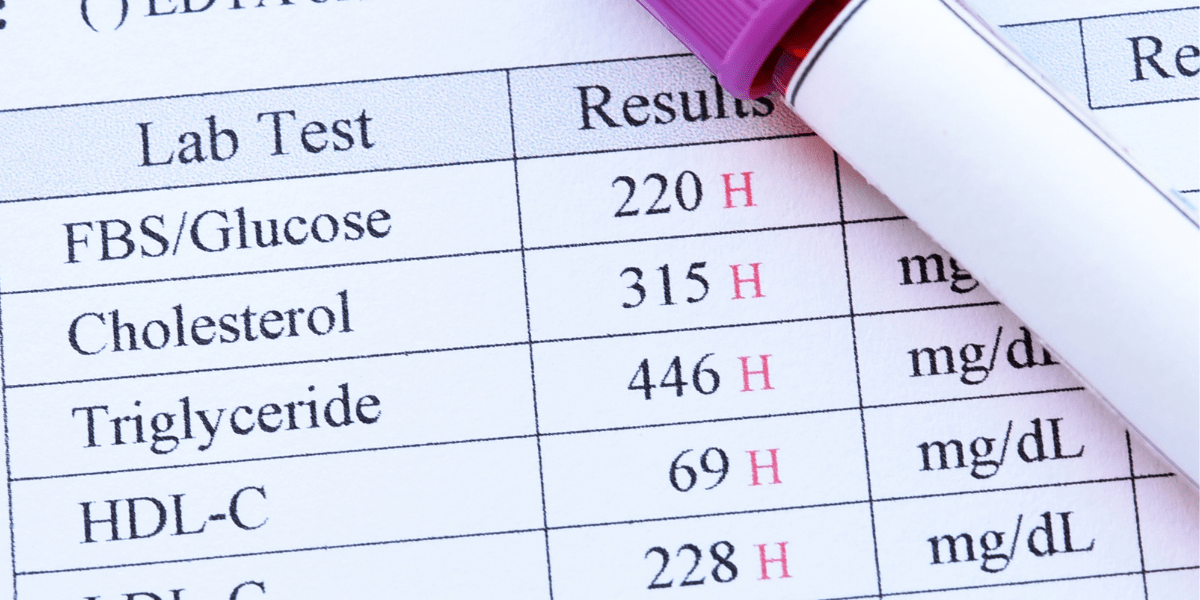
You have received your diabetes test results, and your blood sugar is flagged as abnormal. Perhaps your fasting glucose is higher than the reference range. Perhaps your HbA1c is elevated. Perhaps both.
Your first instinct may be to assume you have diabetes. That is understandable. But an abnormal result on a single blood test does not necessarily mean you have diabetes. It means your doctor needs more information before drawing any conclusions, and it means you need to understand what happens next.
Test and manage pre-diabetes
Patient-first, Holistic, Dedicated Healthcare
What "Abnormal" Actually Means
An abnormal blood sugar result means your reading fell outside the normal reference range. But the word "abnormal" covers a wide spectrum, and where you fall on that spectrum determines what happens next.
- If your fasting glucose was between 6.1 and 6.9 mmol/L, or your HbA1c was between 5.7 and 6.4 per cent, your result falls in the prediabetic range. This means your blood sugar regulation is under strain, but you have not crossed the threshold into diabetes. Prediabetes is reversible with lifestyle changes, and catching it at this stage is genuinely good news, even though it may not feel that way when you first see the result.
- If your fasting glucose was 7.0 mmol/L or higher, or your HbA1c was 6.5 per cent or higher, your result is in the diabetic range. However, a single elevated reading is not sufficient for a definitive diabetes diagnosis. Your doctor will typically recommend a confirmatory test before making a formal diagnosis, because temporary factors such as illness, stress, poor sleep, certain medications, or even what you ate the evening before can influence a single reading.
Understanding what the numbers mean is the first step toward responding appropriately rather than reacting emotionally.
Step 1: Confirmatory Testing
If your initial result was elevated, your doctor will almost always recommend a repeat test. This is standard clinical practice, not an indication that something was wrong with the first test.
The confirmatory test may be a repeat of the same test (fasting glucose or HbA1c) or a different test to cross-check the result. Common combinations include repeating fasting glucose on a separate day to confirm the result was not a one-off, adding HbA1c if only fasting glucose was initially tested (or vice versa) to see whether the short-term and long-term pictures agree, or performing an oral glucose tolerance test (OGTT) if results are borderline.
The OGTT measures how your body handles a standardised glucose load over two hours and is particularly useful for identifying early glucose intolerance that fasting tests might miss.
If both the initial and confirmatory tests are elevated, your doctor can make a confident diagnosis and discuss next steps. If the confirmatory test comes back normal, your doctor may recommend monitoring with repeat testing in three to six months.
Step 2: Understanding Your Diagnosis
Once confirmatory testing is complete, you will fall into one of three categories.
Normal on repeat testing. Your initial result was a false alarm, possibly influenced by temporary factors. Your doctor may recommend routine health screening at regular intervals going forward, particularly if you have risk factors.
Prediabetes confirmed. Your blood sugar is consistently elevated but below the diabetic threshold. This is the most actionable diagnosis you can receive, because prediabetes is the stage where lifestyle intervention has the greatest impact.
Research consistently shows that modest weight loss (5 to 7 per cent of body weight), regular physical activity, and dietary adjustments can reduce the risk of progressing to diabetes by more than 50 per cent.
Type 2 diabetes confirmed. Your blood sugar is consistently in the diabetic range. This is a significant diagnosis, but it is not a crisis. Type 2 diabetes is a manageable condition, particularly when caught early. Your doctor will discuss treatment options, which may include lifestyle changes alone (for mild cases), oral medications, or a combination of both.
Step 3: The Clinical Conversation
Once your diagnosis is clear, the most important thing you can do is have a thorough conversation with your doctor. This is not a five-minute chat. It is a consultation that should cover several critical areas.
- Your complete metabolic picture - Blood sugar does not exist in isolation. Your doctor should assess your blood pressure, cholesterol, triglycerides, and waist circumference alongside your glucose results. If multiple metabolic markers are abnormal, you may have metabolic syndrome, which carries additional cardiovascular risk and requires a more comprehensive management approach.
- Your personal risk factors - Family history, ethnicity, weight, activity level, diet, sleep, and stress all influence how aggressively your blood sugar needs to be managed. Two people with the same HbA1c may need very different management plans based on their overall risk profile.
- Your monitoring plan - How often should you retest? What targets should you aim for? Should you consider continuous glucose monitoring to understand how your daily habits affect your blood sugar? These questions should be answered clearly so you leave the consultation with a concrete plan.
- Your lifestyle plan - Regardless of whether your diagnosis is prediabetes or diabetes, lifestyle modification is the foundation of management. Your doctor should discuss realistic changes to your diet, activity level, sleep, and stress management. These recommendations should be tailored to your actual life, not generic advice to "eat better and exercise more."
At Regis Medical, our diabetes screening are structured to cover all of these areas. We believe that an abnormal blood sugar result deserves a proper conversation, not a rushed handover of a prescription.
Step 4: Follow-Up and Monitoring
After your initial consultation, ongoing monitoring ensures your management plan is working.
For prediabetes, your doctor will typically recommend repeat blood tests every three to six months to track whether your glucose levels are improving, stable, or worsening. If lifestyle changes are bringing your numbers down, you are on the right track. If they are not, your doctor may adjust the plan or discuss additional interventions.
For newly diagnosed Type 2 diabetes, monitoring is more frequent initially. HbA1c is typically checked every three months until your blood sugar is stable, then every three to six months. Your doctor will also monitor kidney function, cholesterol, blood pressure, and other markers to ensure comprehensive management.
Regular health screening becomes particularly important after an abnormal blood sugar result, because diabetes rarely exists in isolation. Protecting your cardiovascular health, kidney function, and overall metabolic profile is just as important as managing glucose.
What Not to Do
There are a few common reactions to an abnormal blood sugar result that do more harm than good.
- Do not ignore it - An elevated result that is left unaddressed will not improve on its own. Prediabetes progresses to diabetes in a significant proportion of cases when nothing changes. Catching it early only helps if you act on it.
- Do not panic - An abnormal result is not a death sentence. It is clinical information. Whether it turns out to be prediabetes or early diabetes, both are manageable when addressed promptly.
- Do not self-diagnose using the internet or with AI - Your specific numbers, your risk profile, and your overall health picture are unique. A conversation with your doctor gives you personalised guidance that no article can replace.
- Do not attempt extreme dietary changes overnight - Crash diets and radical exercise programmes rarely last. Sustainable, moderate changes produce better long-term outcomes than dramatic short-term interventions.
The Most Important Step Is the Next One
An abnormal blood sugar result is not an ending. It is a beginning. It is the point at which you have information you did not have before, and that information gives you the power to change your trajectory.
Whether your result turns out to be a temporary fluctuation, prediabetes, or early diabetes, the most valuable thing you can do is follow up. Book a consultation with our doctor. Get confirmatory testing. Have the conversation about what your numbers mean for you specifically.
The earlier you act, the more options you have.
Test and manage pre-diabetes
Patient-first, Holistic, Dedicated Healthcare
Medical Disclaimer & Limitation of Liability
The content provided in this post is strictly for informational and educational purposes. Just as we fiercely defend our right to publish general health information, we establish an uncompromising boundary: this material is never a substitute for personalised, professional medical advice, diagnosis, or treatment.
Reading this content does not establish a doctor-patient relationship. You possess the sovereign right and responsibility to manage your own health, which means you must consult your own qualified physician before making any medical decisions based on what you read here. We explicitly disclaim all medicolegal liability for any injury, loss, or risk incurred directly or indirectly from the misinterpretation, misuse, or out-of-context application of our online content. Your health is your responsibility; seek individual professional care.