Diabetes and Kidney Damage in Singapore: Early Signs and How to Protect Yourself
Last updated: 25 Aug 2026
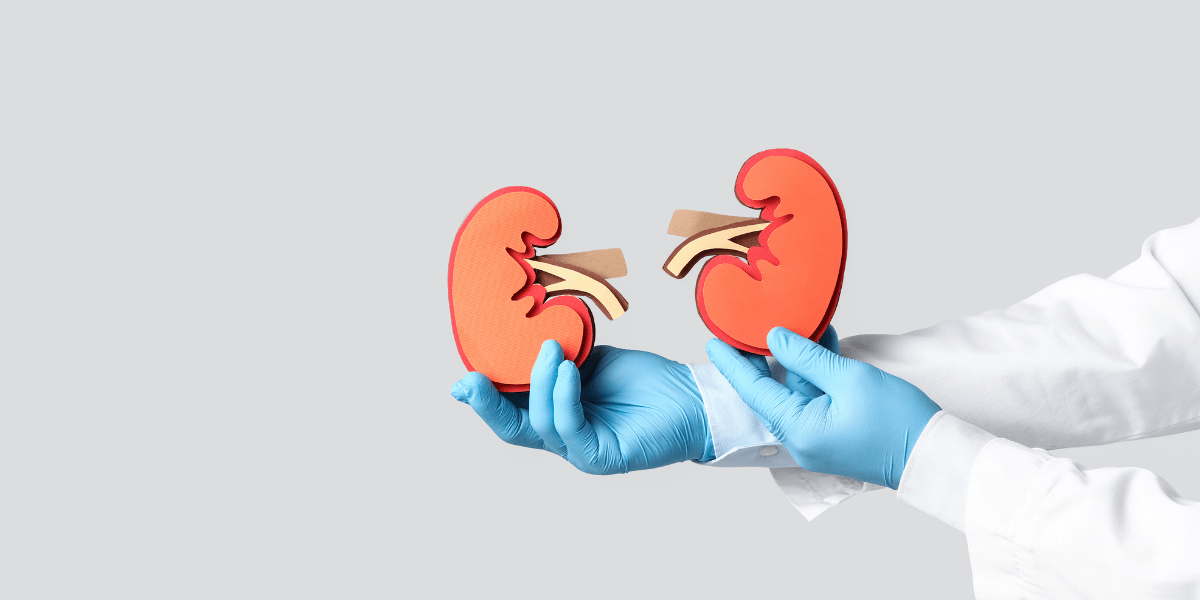
Singapore ranks fourth in the world for the prevalence of kidney failure. More than 9,000 patients are currently on dialysis. About six new patients are diagnosed with kidney failure every day. And two out of every three new cases are caused by diabetes.
These statistics, compiled by the National Kidney Foundation Singapore from the Singapore Renal Registry, represent one of the most significant healthcare burdens the country faces. Singapore spends approximately $300 million annually on dialysis treatment alone. Behind every dollar is a patient whose kidneys have failed, whose daily life revolves around dialysis sessions, and whose health trajectory has been permanently altered.
The most frustrating part is that diabetic kidney disease is preventable. Not in every case, but in the majority. The damage develops slowly over years, and there are clear, measurable warning signs long before kidney failure occurs. The challenge is that most people never check for those signs until it is too late.
Find out if you have diabetes
Patient-first, Holistic, Dedicated Healthcare
How Diabetes Damages the Kidneys
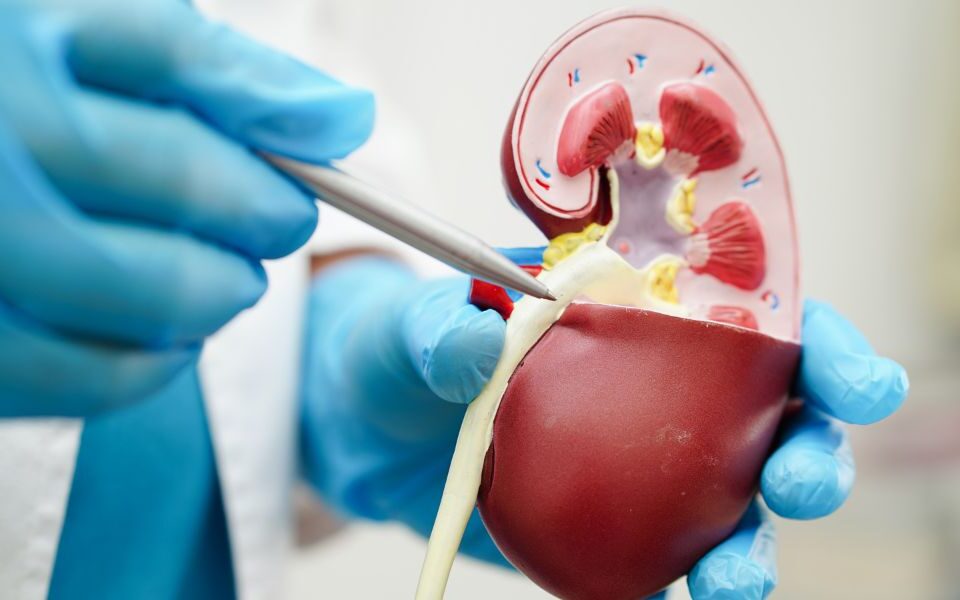
Your kidneys contain approximately one million tiny filtering units called nephrons. Each nephron contains a cluster of microscopic blood vessels called a glomerulus, which filters waste products and excess fluid from your blood. This filtered waste becomes urine. The cleaned blood returns to circulation.
In diabetes, chronically elevated blood sugar damages the walls of these tiny blood vessels over years. The vessel walls thicken and become leaky. The glomeruli, which should retain protein in the blood while filtering out waste, begin to let protein through into the urine. This protein leakage is the earliest measurable sign of diabetic kidney damage and can be detected through a simple urine test long before you notice any symptoms.
As damage progresses, more nephrons are destroyed. The remaining nephrons compensate by working harder, but this increased workload accelerates their decline. Eventually, the kidneys lose enough filtering capacity that waste products accumulate in the blood, fluid balance is disrupted, and kidney failure develops.
According to data from the Annals of the Academy of Medicine Singapore, diabetic nephropathy accounted for 64.6 per cent of all new dialysis patients in Singapore in 2022. The same study found that 42.3 per cent of Singaporeans with diabetes already have some degree of chronic kidney disease.
These numbers are not abstract. They represent a direct consequence of blood sugar and blood pressure that were not adequately controlled for long enough to cause irreversible damage.
Why You Will Not Feel It Until It Is Advanced
This is the critical point that most patients miss. Diabetic kidney disease produces no symptoms in its early and intermediate stages. Your kidneys can lose a significant proportion of their filtering capacity before you feel unwell.
By the time symptoms appear, the damage is typically advanced. Late-stage symptoms include persistent fatigue and weakness that does not improve with rest, swelling in the ankles, feet, or around the eyes (caused by fluid retention), foamy or frothy urine (caused by excess protein), nausea, loss of appetite, and difficulty concentrating. Some patients also notice increased frequency of urination at night, persistent itching, or a metallic taste in the mouth.
If you are waiting for symptoms to tell you whether your kidneys are affected, you are waiting too long. The only reliable way to detect early kidney damage is through routine blood and urine tests, ideally as part of a comprehensive health screening.
The Tests That Catch It Early
Two tests, both simple and inexpensive, can detect diabetic kidney damage years before symptoms develop.
- Urine albumin-to-creatinine ratio (uACR) - This test measures the amount of a protein called albumin in your urine. Healthy kidneys retain albumin in the blood. Damaged kidneys leak it into urine. An elevated uACR is the earliest detectable marker of diabetic kidney disease. The test requires only a single urine sample and does not require fasting.
- Estimated glomerular filtration rate (eGFR) - This is calculated from a blood test measuring creatinine, a waste product produced by your muscles. Your eGFR estimates how efficiently your kidneys are filtering blood. A normal eGFR is above 90. An eGFR between 60 and 89 may indicate early kidney impairment. Below 60 represents moderate to severe chronic kidney disease. Below 15 is kidney failure.
Both tests are included in standard health screening packages at Regis Medical. If you have diabetes, these tests should be performed at least once a year. If you have prediabetes or metabolic syndrome, baseline kidney function testing is also recommended, as chronic kidney disease prevalence is already elevated at 21.8 per cent among Singaporeans with prediabetes.
What Accelerates Kidney Damage

Diabetes alone does not determine whether you develop kidney disease. Several factors accelerate or protect against kidney damage, and most of them are within your control.
- Poor blood sugar control - This is the primary driver. Persistently elevated HbA1c means persistently elevated glucose flowing through your renal blood vessels, causing ongoing vascular damage. Every percentage point reduction in HbA1c meaningfully reduces kidney risk.
- Uncontrolled blood pressure - High blood pressure forces blood through the kidneys' delicate filtering units at excessive pressure, accelerating damage. Blood pressure control is arguably as important as blood sugar control in protecting the kidneys. For patients with diabetes, the recommended blood pressure target is typically below 130/80 mmHg.
- Smoking - Smoking constricts blood vessels and reduces blood flow to the kidneys, compounding the damage caused by diabetes. Quitting smoking is one of the most impactful single interventions for kidney protection.
- High protein diet without medical guidance - Excessive dietary protein increases the kidneys' workload. For patients with early kidney damage, moderating protein intake (under medical guidance) can slow progression.
- Overuse of certain medications - Non-steroidal anti-inflammatory drugs (NSAIDs) like ibuprofen can reduce kidney blood flow and cause direct kidney damage, particularly in patients with diabetes. If you take painkillers regularly, discuss kidney-safe alternatives with your doctor.
- Dehydration - Chronic under-hydration reduces kidney blood flow and concentrates waste products. Staying adequately hydrated supports kidney function.
How to Protect Your Kidneys
If you have diabetes, kidney protection is not a separate task. It is built into the same management principles that protect your eyes, your heart, and your blood vessels.
- Optimise your blood sugar - Work with your doctor to bring your HbA1c as close to target as possible. Regular diabetes screening and monitoring through blood tests or continuous glucose monitoring provides the data you need to adjust your approach.
- Control your blood pressure - If your blood pressure is above 130/80 mmHg, discuss management with your doctor. Medications such as ACE inhibitors or angiotensin receptor blockers (ARBs) are particularly effective for kidney protection in patients with diabetes because they reduce pressure within the glomeruli specifically.
- Get annual kidney function tests - A urine albumin test and eGFR should be performed at least once a year if you have diabetes. If results are abnormal, more frequent monitoring (every three to six months) is warranted.
- Stop smoking - If you smoke, quitting is one of the most powerful things you can do for your kidneys.
- Stay hydrated - Aim for adequate water intake throughout the day. In Singapore's climate, this is particularly important.
- Review your medications - Discuss all medications, including over-the-counter painkillers and supplements, with your doctor to ensure none are placing unnecessary strain on your kidneys.
The Cost of Waiting
Kidney damage from diabetes is a one-way process. Once nephrons are destroyed, they do not regenerate. Treatment can slow progression, but it cannot reverse established damage. This is fundamentally different from prediabetes, which can be reversed, or early diabetes, which can be put into remission. Kidney damage, once done, is permanent.
The financial cost is also substantial. Dialysis, which is required when kidneys fail, costs Singapore approximately $300 million per year in aggregate. For individual patients, dialysis involves three to four sessions per week, each lasting several hours, for the rest of their lives unless they receive a kidney transplant. The median survival after starting dialysis in Singapore is six years.
This is not written to frighten you. It is written to make clear that the window for prevention is now, not after symptoms appear. A simple urine test and a blood test, performed annually, are all it takes to know whether your kidneys are healthy.
Start With a Simple Check
If you have diabetes, ask your doctor when you last had your kidney function tested. If you cannot remember, or if it has been more than 12 months, schedule a test. At Regis Medical, kidney function markers (uACR and eGFR) are included in our health screening packages and can be added to any routine blood test.
If you have not been diagnosed with diabetes but have risk factors, a diabetes screening test is the first step. Knowing your blood sugar status allows you to take action before kidney damage begins.
Your kidneys do not ask for help until they are failing. The responsibility to check on them is yours.
Find out if you have diabetes
Patient-first, Holistic, Dedicated Healthcare
Medical Disclaimer & Limitation of Liability
The content provided in this post is strictly for informational and educational purposes. Just as we fiercely defend our right to publish general health information, we establish an uncompromising boundary: this material is never a substitute for personalised, professional medical advice, diagnosis, or treatment.
Reading this content does not establish a doctor-patient relationship. You possess the sovereign right and responsibility to manage your own health, which means you must consult your own qualified physician before making any medical decisions based on what you read here. We explicitly disclaim all medicolegal liability for any injury, loss, or risk incurred directly or indirectly from the misinterpretation, misuse, or out-of-context application of our online content. Your health is your responsibility; seek individual professional care.