How Soon After Exposure Should You Get Tested for STDs? Window Periods Explained
Last updated: 27 Aug 2026
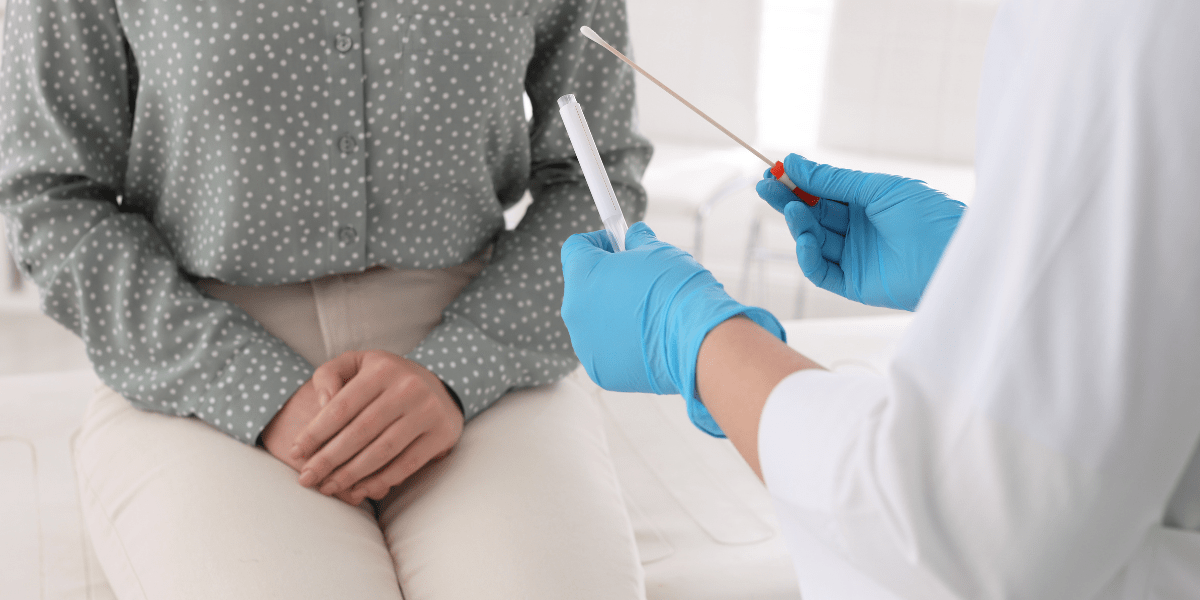
You had an exposure. A condom broke, or you had unprotected sex, or you learned that a partner has tested positive. Your instinct is to get tested immediately. Tomorrow morning. Today if possible.
That instinct is understandable, but testing too soon can give you a result that is worse than no result at all: a false negative. A clean bill of health that is not actually clean, because the infection has not yet reached detectable levels in your body.
Every STD has a window period, the time between exposure and when a test can reliably detect the infection. Testing within this window may return a negative result even though the infection is present and transmissible. Understanding these windows is not about delaying care. It is about ensuring the test you take actually tells you the truth.
STD tests for peace of mind
Patient-first, Holistic, Dedicated Healthcare
Why Window Periods Exist
When a pathogen enters your body, it does not immediately appear in your blood or urine at detectable levels. It needs time to replicate. And for infections detected through antibody testing (syphilis, HIV, herpes, hepatitis B), your immune system needs time to mount a response that produces measurable antibodies.
Tests that detect the pathogen's DNA or RNA directly (NAAT tests, used for chlamydia and gonorrhoea) have shorter window periods because they are looking for the organism itself, which multiplies quickly. Tests that detect your immune response (antibody tests, used for syphilis, HIV, herpes, hepatitis B) have longer window periods because antibody production takes weeks.
This is not a limitation of the test's quality. It is a biological reality. The most accurate test in the world cannot detect what is not yet there to be detected.
Window Periods by Infection
- Chlamydia: 1 to 2 weeks. Detected via NAAT (nucleic acid amplification test) from a urine sample. The bacteria multiply rapidly after exposure, making detection possible from approximately 7 to 14 days. A chlamydia test taken at two weeks is highly reliable.
- Gonorrhoea: 1 to 2 weeks. Same testing method and timing as chlamydia. Both infections are typically screened simultaneously from a single urine sample. A gonorrhoea test at two weeks provides a reliable result.
- Syphilis: 3 to 6 weeks. Detected via blood test (RPR/VDRL screening, confirmed with specific treponemal tests). The immune system takes several weeks to produce detectable antibodies. A syphilis test taken at 6 weeks is considered reliable. If tested at 3 weeks with a negative result, retesting at 6 to 12 weeks is recommended to be conclusive.
- HIV: 2 to 12 weeks (depending on test type). Fourth-generation antigen/antibody lab tests (which detect both the p24 antigen and HIV antibodies) can identify most infections within 18 to 45 days. Rapid antibody-only tests require longer, typically 23 to 90 days. A fourth-generation test at 6 weeks detects the large majority of infections. A confirmatory test at 12 weeks provides a definitive result.
- Hepatitis B: 3 to 6 weeks. The hepatitis B surface antigen (HBsAg) test becomes reliable from approximately 3 to 9 weeks after exposure. A hepatitis B test at 6 weeks is considered accurate for most individuals.
- Herpes (HSV-1 and HSV-2): 3 to 16 weeks. Antibody blood tests for herpes are not reliable until at least 3 weeks post-exposure, with peak reliability at 12 to 16 weeks. However, if active sores are present, a swab test of the lesion can confirm infection immediately regardless of the antibody window.
The Two-Step Approach That Gives You the Most Clarity
Given that different infections have different windows, the most practical approach is a two-step testing schedule.
- Step one: test at 2 weeks. This provides reliable results for chlamydia and gonorrhoea, the two most common bacterial STDs. If either is positive, treatment can begin immediately, stopping transmission and preventing complications. This early test also provides peace of mind for the two infections most likely to be present.
- Step two: test at 6 to 12 weeks. This covers syphilis, HIV, hepatitis B, and herpes. By this point, all window periods have closed, and your results are definitive. If everything is negative at 12 weeks, you can confidently consider yourself clear.
At Regis Medical, STD testing is structured around these windows. Your doctor will recommend the appropriate panel based on your exposure timing, the type of contact, and which infections are most relevant to test for. You are not expected to know which test to take when. That is what the consultation determines.
What to Do Between Exposure and Testing
The waiting period between exposure and testable window can be anxious. During this time you should:
- Use barrier protection (condoms) for any sexual contact to prevent potential transmission
- Avoid donating blood until you have been tested and cleared
- Monitor for symptoms (discharge, sores, rashes, fever, swollen lymph nodes) and see your doctor promptly if any appear (symptoms outside the window period may still be clinically assessable through examination or swab testing even when blood tests are not yet reliable)
- For high-risk HIV exposures (needle stick, sexual assault, known HIV-positive partner), ask your doctor about PEP (post-exposure prophylaxis) immediately, ideally within 72 hours.
Common Mistakes That Lead to False Negatives
- Testing too soon and assuming a negative result is conclusive - A negative chlamydia test at day 3, or a negative HIV test at day 10, is not reliable. If you tested within the window period, the result does not clear you. You need to retest at the appropriate interval.
- Testing for some infections but not others - A negative chlamydia and gonorrhoea result at two weeks does not rule out syphilis, HIV, or hepatitis B. If your exposure carried risk for multiple infections, you need the full panel tested at the appropriate windows.
- Not retesting after treatment - If you tested positive for a bacterial STD and completed antibiotics, retesting at two to three weeks after finishing treatment confirms the infection has cleared. Bacterial DNA can persist briefly after treatment, so testing too soon after antibiotics can also produce misleading results.
- Assuming one clear test means you are permanently clear - A negative test reflects your status at that point in time. New exposures require new tests. A clear result from six months ago does not cover what happened last week.
When to See Your Doctor and Get Tested
If you have had a potential exposure and are unsure about timing, the most practical step is a consultation at our GP clinic. Your doctor can assess the type of exposure, determine which infections are relevant, recommend the optimal testing timeline, and schedule follow-up tests as needed. This removes the guesswork and ensures nothing is missed.
At Regis Medical, STD testing is handled with complete discretion. Whether you need a single test or a comprehensive panel, the process is confidential, efficient, and guided by evidence rather than anxiety.
The window period is not a reason to delay seeking help. It is a reason to seek the right help at the right time.
STD tests for peace of mind
Patient-first, Holistic, Dedicated Healthcare
Medical Disclaimer & Limitation of Liability
The content provided in this post is strictly for informational and educational purposes. Just as we fiercely defend our right to publish general health information, we establish an uncompromising boundary: this material is never a substitute for personalised, professional medical advice, diagnosis, or treatment.
Reading this content does not establish a doctor-patient relationship. You possess the sovereign right and responsibility to manage your own health, which means you must consult your own qualified physician before making any medical decisions based on what you read here. We explicitly disclaim all medicolegal liability for any injury, loss, or risk incurred directly or indirectly from the misinterpretation, misuse, or out-of-context application of our online content. Your health is your responsibility; seek individual professional care.